
Last updated October 16, 2026
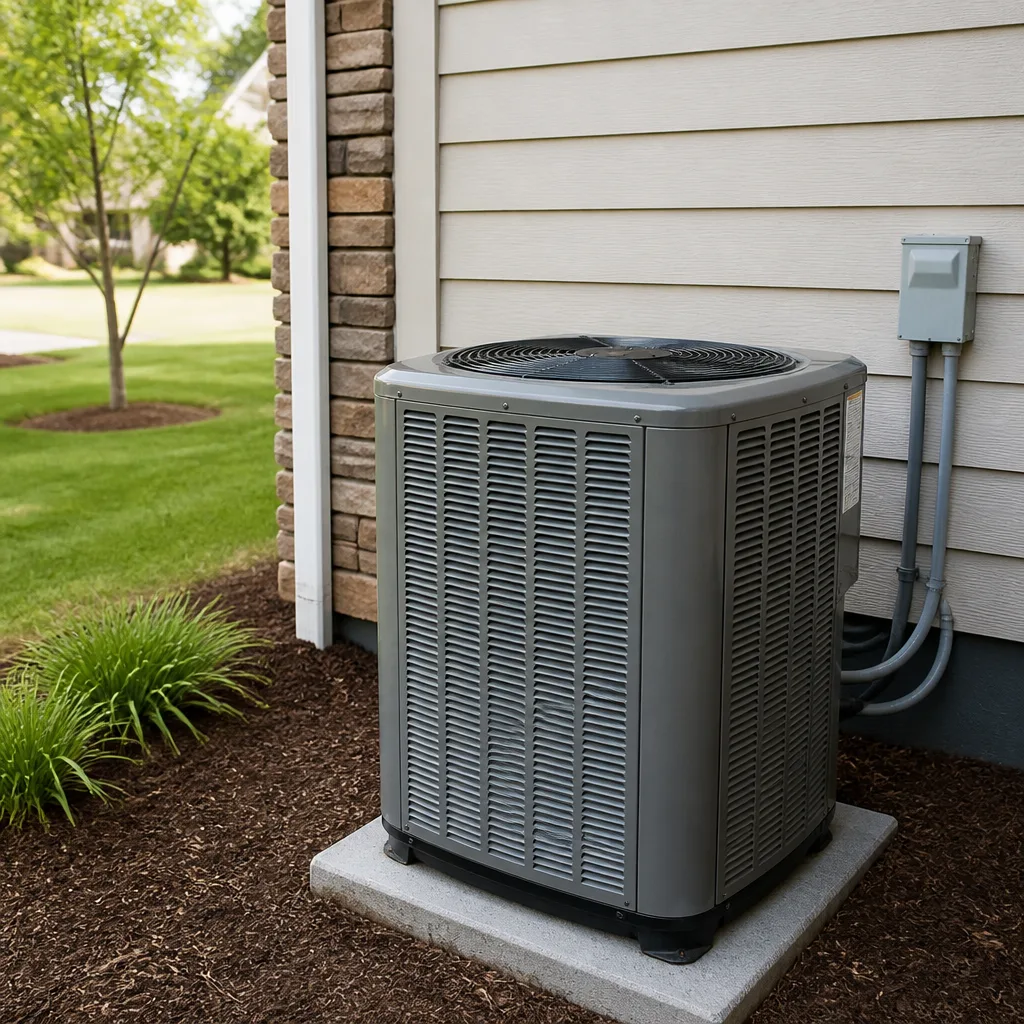 AC repair
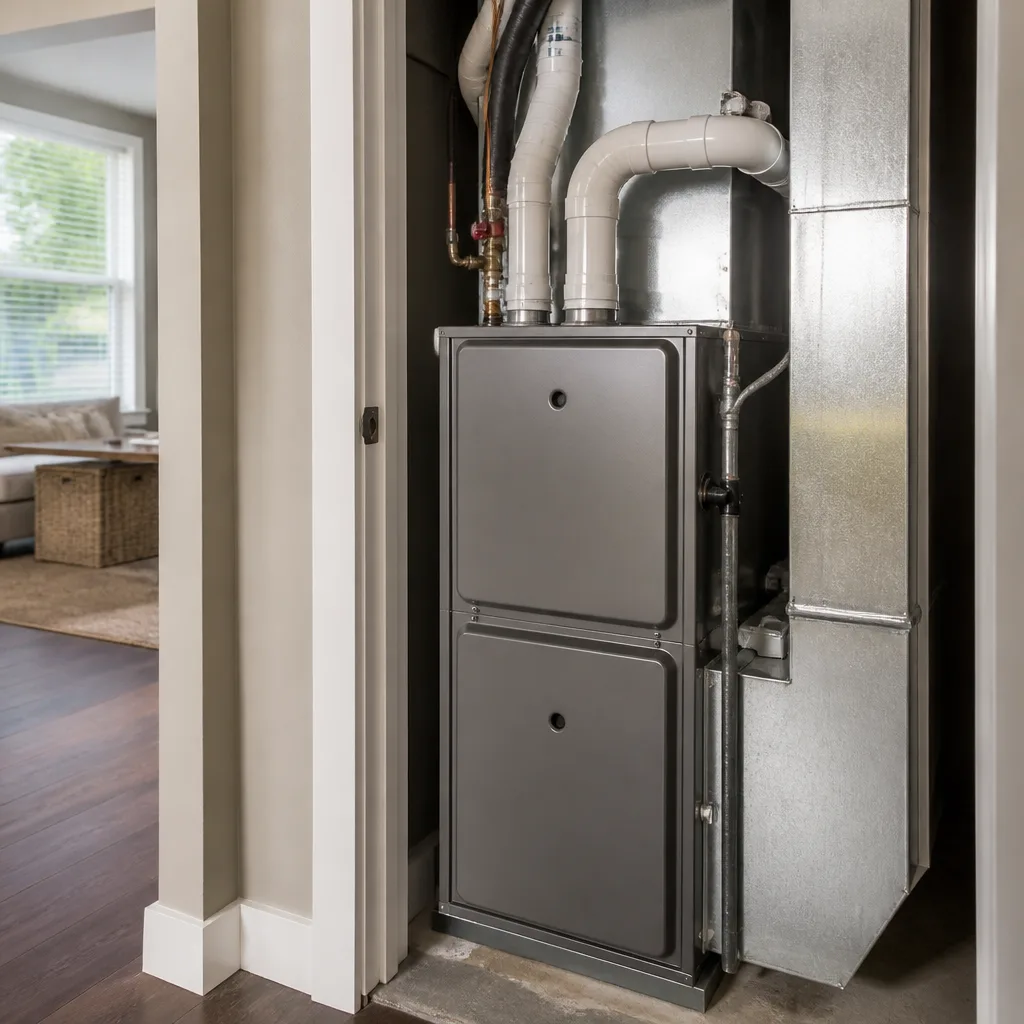 Furnace & heating
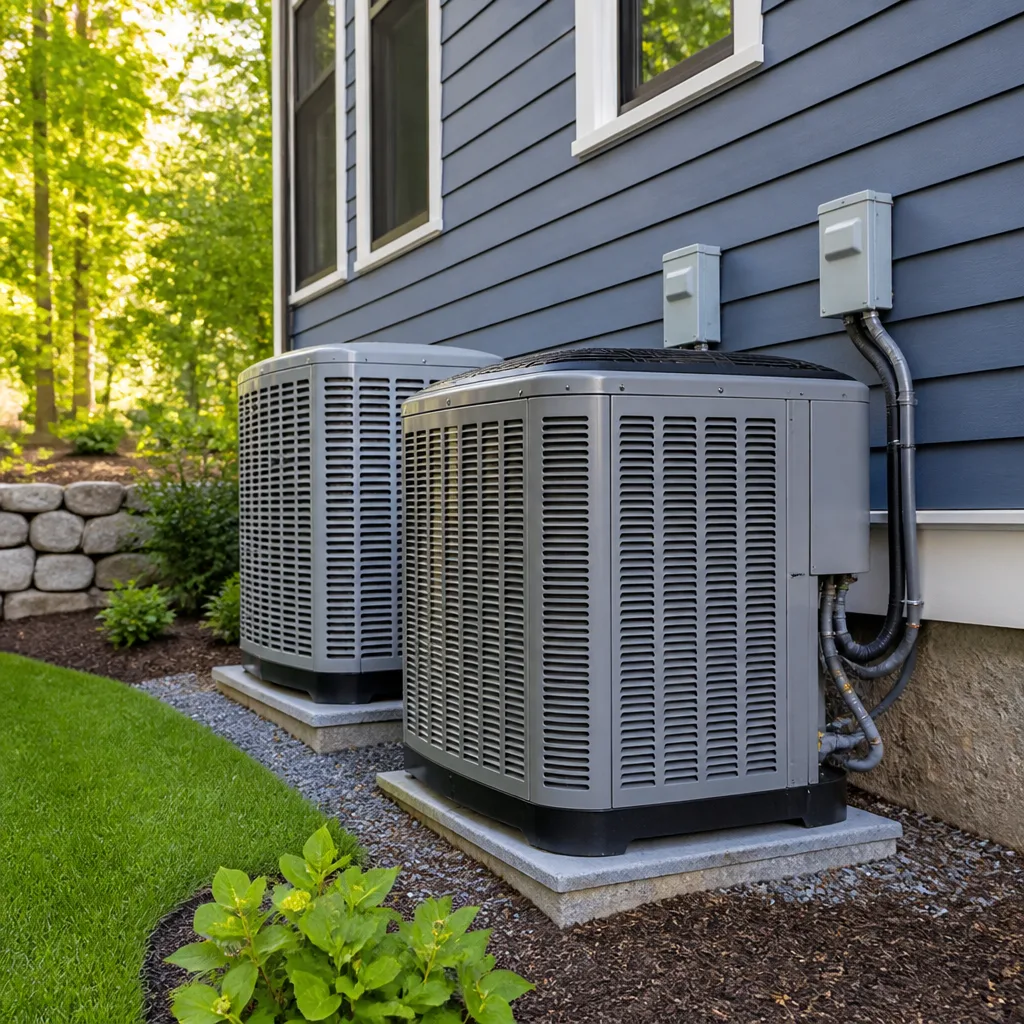 Heat pumps
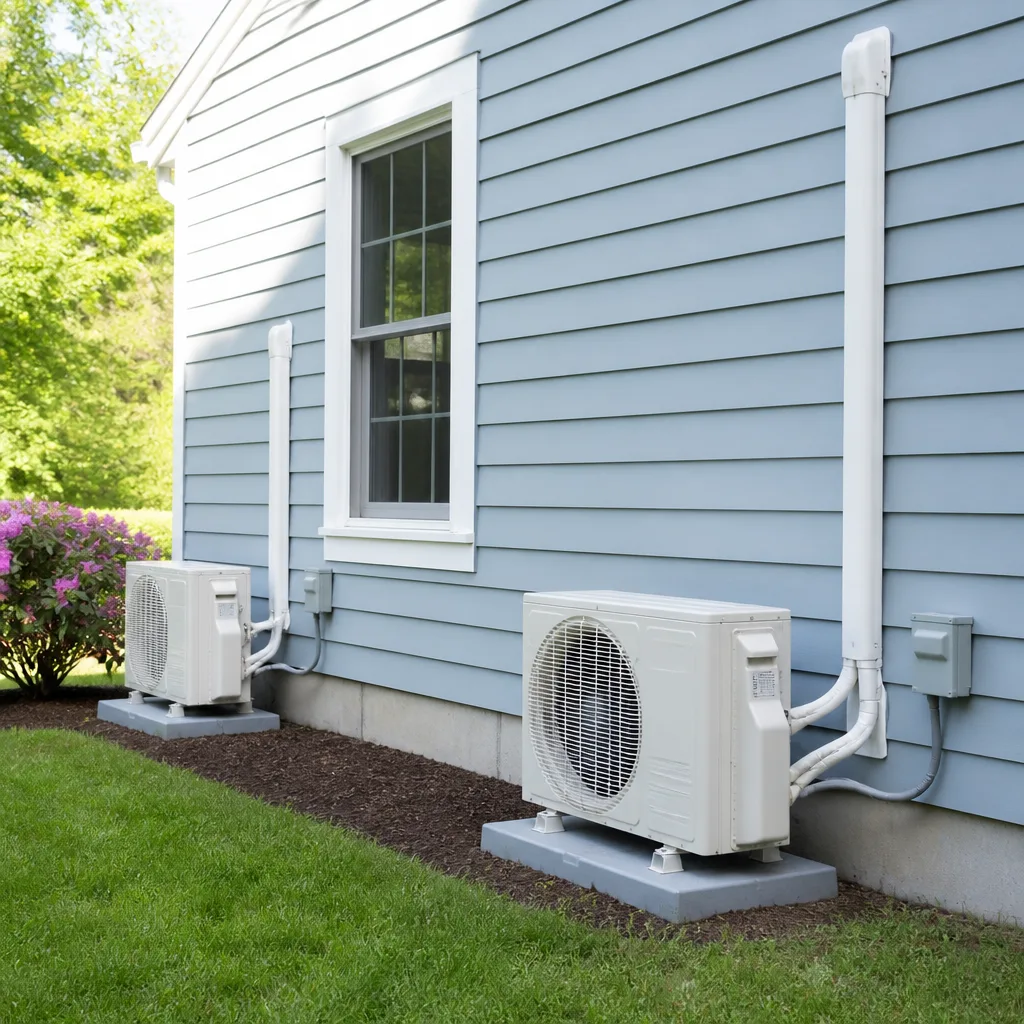 Ductless mini splits
 Carrier
 Trane
Trane Goodman
Seasonal tune-up and full diagnostic on your Carrier, Trane, or Goodman system - readings shown to you before any repair is proposed
Diagnosis first, numbers second - you approve the repair price before a single part goes in.
Get your free estimateDIY vs Professional HVAC: The Houston Homeowner’s Decision Guide
Replacing a failed capacitor on your condenser costs about $18 in parts and takes most Houston homeowners 15 minutes with nothing but a screwdriver and the breaker off. Adding refrigerant yourself, on the other hand, is a federal EPA violation under Section 608 of the Clean Air Act that can carry a fine of $44,539 per incident. Most DIY-versus-HVAC guides skip that distinction entirely. In Houston, where your air conditioner runs hundreds of hours each summer and humidity turns small mistakes into mold problems within two days, the real question isn’t whether you’re handy enough. It’s whether the task crosses a legal boundary. This guide draws that line precisely, so you’ll know what you can safely do yourself, what costs too much to risk, and when the law leaves you no choice but to call a licensed technician. For a deeper look at what professional help should cost, see our HVAC Cost Breakdown: The Houston Homeowner’s Reference for 2026.
Quick Answer
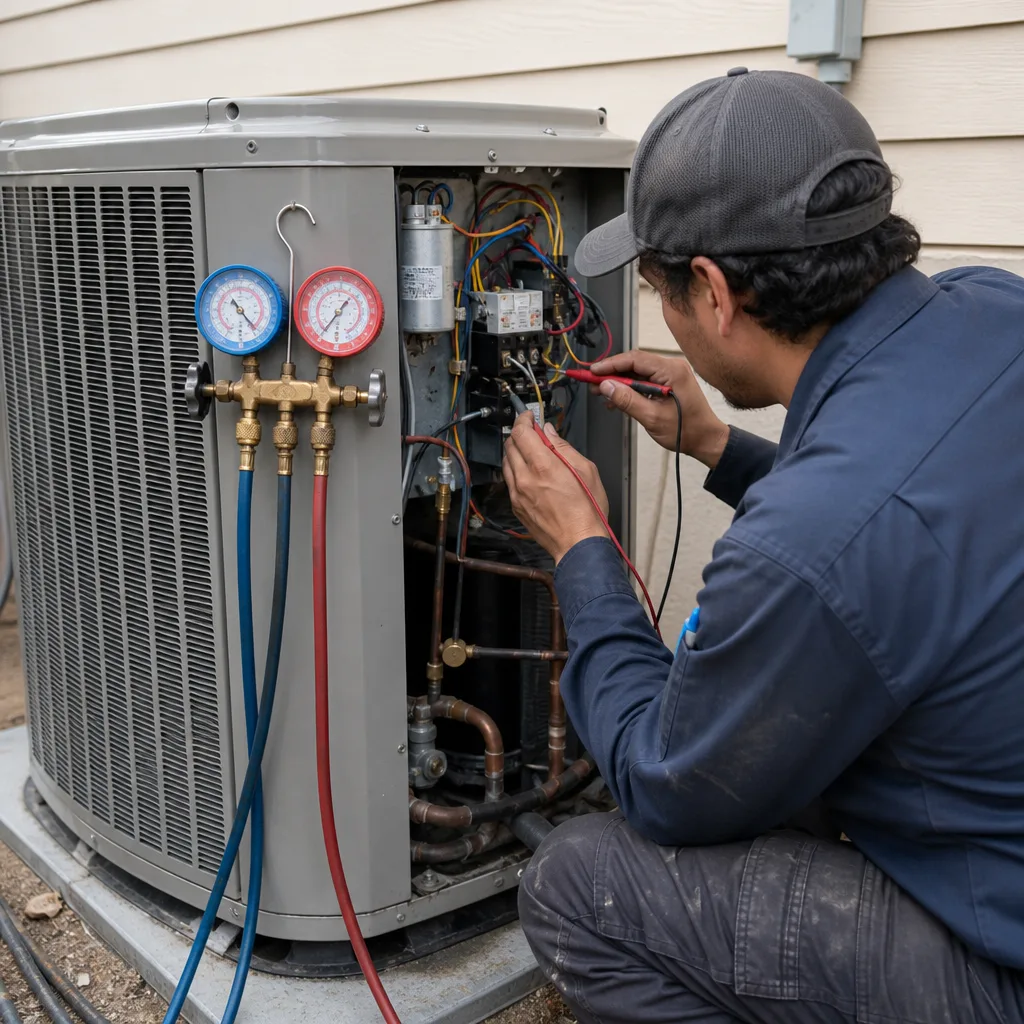
Legally, Houston homeowners can handle most mechanical tasks: filter changes, capacitor swaps, contactor replacement, condensate line clearing, and fan motor swaps are all permitted without a license. But any task involving refrigerant (adding, removing, recharging) is federally restricted to EPA-certified professionals, and many electrical repairs void manufacturer warranties if done by an owner. Practically, the line is this: air filter changes, breaker resets, and thermostat battery swaps are owner-level work; anything requiring a manifold gauge set, a recovery machine, or removal of the condenser coil belongs in professional hands.
Styles & brands we work with
Table of Contents
- The Texas Legal Boundary: What Houston Homeowners Can and Cannot Do
- A Cost-Honest Look at the Five Most Commonly DIY’d HVAC Tasks in Houston
- Why Houston Humidity Makes DIY Mistakes More Expensive
- Warranty Clauses That Vanish the Moment You Touch Refrigerant or Wiring
- How to Describe a Symptom to a Technician: The Five Questions to Answer Before You Call
- Safety First: The Tasks That Should Never Be DIY’d
- Tools and Parts You’ll Actually Use for Safe, Legal DIY Work
- When to Call a Professional
The Texas Legal Boundary: What Houston Homeowners Can and Cannot Do
The question most Houston homeowners ask us isn’t “can I do this” but “am I allowed to do this.” And the answer under Texas law is clear, even if no one spells it out clearly enough. Here is the boundary in plain English:
What’s legal for an unlicensed Houston homeowner:
- Replacing air filters, including upgrading to higher-MERV filters if your system’s static pressure allows it
- Swapping a failed capacitor, as long as the power is fully shut off at the disconnect and breaker and the capacitor is discharged safely
- Replacing a contactor, which is the relay that tells the outside unit to start
- Clearing a condensate drain line with a wet/dry vacuum or a safe cleaning solution
- Replacing a thermostat with a compatible model
- Swapping a condenser fan motor, provided you’re comfortable with wiring and the exact capacitor ratings match
- Replacing a run capacitor on the blower motor inside the air handler
What requires a TDLR-licensed or EPA-certified technician:
- Adding, removing, charging, or recovering refrigerant in any quantity (federal EPA 608 requirement, enforceable per incident)
- Cutting into refrigerant lines or brazing copper that contains refrigerant
- Replacing an evaporator coil, condenser coil, compressor, or any component that requires opening the sealed refrigerant circuit
- Installing a new system, ductwork modifications that require permits, or any gas-line work on a furnace
We’ve been asked about this boundary enough times to know it surprises people. The refrigerant restriction is not a Texas-specific rule; it’s a federal one, but Texas enforces it through TDLR licensing requirements for HVAC contractors. The practical takeaway: if the fix doesn’t touch refrigerant and the electricity is off, it’s probably legal to attempt. If you need a manifold gauge set to do it, you need a professional.
A Cost-Honest Look at the Five Most Commonly DIY’d HVAC Tasks in Houston
Most articles either scare you away from all DIY work or cheerlead you into every task. The honest answer lives in the spread between parts cost and failure cost. Here are the five tasks Houston homeowners most often try themselves, with real numbers and the specific financial risk of each, based on Houston market pricing as of 2025.
1. Capacitor Replacement
Parts cost: $12 – $30 for a dual-run capacitor rated 35/5 to 45/5 microfarads, which covers most residential condensers. Time: 15 – 30 minutes. Legal status: Fully legal with the power disconnected. Risk if done wrong: Low to moderate. Installing the capacitor with reversed polarity or the wrong microfarad rating can cook the compressor windings within weeks. A compressor replacement in Houston runs $1,800 – $3,200 depending on the unit’s age and brand.
2. Condensate Drain Line Clearing
Parts cost: $15 for a wet/dry vac attachment, $10 for white vinegar or a commercial line cleaner. Time: 20 – 45 minutes. Legal status: Fully legal. Risk if done wrong: Low, with a Houston-specific caveat. A poorly reseated drain cap or a line that’s only partially cleared will overflow within a day, and in Houston’s summer humidity, that water reaches the emergency pan and then your ceiling before you notice. We’ve seen ceilings in Meyerland and Cypress need drywall replacement because a homeowner thought they cleared the line and walked away for a week.
3. Contactor Replacement
Parts cost: $25 – $45 for a single-pole or double-pole 30-amp contactor. Time: 30 minutes. Legal status: Legal with power fully shut off. Risk if done wrong: Moderate. A contactor wired with the line and load sides reversed will arc and burn out in days, and a contactor that doesn’t fully close will chatter and destroy the compressor. The replacement cost for a compressor that fails from poor contactor work is the same $1,800 – $3,200 range.
4. Thermostat Replacement
Parts cost: $40 – $150 for a programmable or smart thermostat. Time: 30 – 60 minutes. Legal status: Legal. Risk if done wrong: Low electrical, high compatibility. Many Houston homes have heat pump systems or two-stage equipment that a generic thermostat doesn’t support. Wiring a conventional thermostat to a heat pump can leave you with no heat in January, when Houston does see overnight lows in the 30s.
5. Condenser Fan Motor Replacement
Parts cost: $90 – $180 for a motor, $15 for the matching capacitor, maybe $20 for a new fan blade if the old one is rusted onto the shaft. Time: 45 – 90 minutes. Legal status: Legal. Risk if done wrong: High compared to the others. The wrong RPM motor, the wrong rotation direction, or a blade installed at the wrong pitch will starve the condenser of airflow. In Houston, where a condenser can see 110-degree roof-adjacent ambient temperatures on a July afternoon, a mis-specified fan motor leads to head pressure so high the compressor shuts off on thermal overload, repeatedly, until it fails. That’s a multi-thousand-dollar outcome from a $180 parts job.
Why Houston Humidity Makes DIY Mistakes More Expensive
Houston’s humidity doesn’t just make you uncomfortable. It changes the math on HVAC errors. A mistake that would be mildly annoying in Phoenix or Las Vegas becomes a mold and drywall problem in Houston within 48 to 72 hours.
The reason is dew point. Houston’s summertime dew point hovers in the mid-70s. Any surface in your house that falls below that temperature collects condensation, and condensation feeds mold. Here’s how that affects specific DIY decisions:
Misseated air filters. A filter installed at an angle or with gaps around the frame lets unfiltered, humid air bypass the filter and coat the evaporator coil with Houston’s characteristic gray fuzz. Within a few months, that coil loses both airflow and dehumidification capacity. Your house feels swampy at 74 degrees, and the coil becomes a mold reservoir that sends spores through your supply ducts.
Poorly sealed duct joints. When a homeowner opens a closet or kneewall space and knocks a duct joint loose, or tapes a joint with the wrong material, humid attic air gets drawn into the supply side. In Houston’s attic, where summer temperatures exceed 130 degrees, that humid air meets cold conditioned air inside the duct and condenses right at the joint. The water drips onto insulation, drywall, or stored belongings. We’ve opened attic accesses in Bellaire and Spring Branch where the homeowner had unknowingly created a drip point that had been slowly wetting the ceiling joist for a month.
Undersized or oversized window units or mini-splits after a DIY install. A unit that short-cycles doesn’t run long enough to pull moisture out of the air. The temperature drops but the humidity doesn’t, and Houstonians know that 74 degrees at 70% relative humidity feels worse than 78 at 50%. A DIY’d mini-split or portable unit can leave a bedroom clammy while the rest of the house is comfortable.
The takeaway for any DIY work that involves air movement or sealing: think in terms of moisture, not just temperature. The question isn’t just “will it cool” but “will it dehumidify, and will the joints stay dry.”
Warranty Clauses That Vanish the Moment You Touch Refrigerant or Wiring
If you read the fine print in your equipment’s warranty registration, you’ll find language that matters more than most homeowners realize. Here’s what’s actually in the documentation from major manufacturers:
The standard exclusion. Most warranty documents from brands like Carrier, Trane, Lennox, Goodman, Rheem, and American Standard state that the warranty is void if the equipment is “serviced, repaired, or modified by anyone other than a qualified, licensed HVAC contractor.” The word “qualified” is the loaded one. Some manufacturers go further and explicitly name “owner-performed refrigerant handling” and “unauthorized electrical modifications” as voiding events.
What this means in practice. If you replace your own capacitor and wire it incorrectly, and that error causes the compressor to fail, the manufacturer may deny the compressor warranty claim. The compressor on a 4-year-old system might have had a covered failure; after your wiring error, it becomes an uncovered failure. The parts cost for a warranty-covered compressor is often under $200 with labor. Without warranty coverage, that same repair runs $1,800 to $3,200.
What to look for in your documentation. Pull your system’s installation manual and find the warranty section. Look for the phrase “authorized service provider” or “qualified technician.” Then look for any clause that mentions refrigerant specifically. If your system’s compressor is under warranty and you’re considering any repair that touches the electrical or refrigerant side, the warranty math alone usually supports calling a professional. The diagnostic fee you pay is cheap insurance against voiding a multi-year parts warranty.
For Houston homeowners with systems from Daikin, Bryant, American Standard, or Carrier, the warranty structure is similar across the board: the longer the parts warranty (some Daikin and Carrier models offer 10 or 12 years), the more you stand to lose from an owner-performed repair gone wrong.
How to Describe a Symptom to a Technician: The Five Questions to Answer Before You Call
One of the least-known ways to save money on a service call is to show up to the phone call with the right information. When a homeowner calls and says “it’s not cooling,” the technician schedules a diagnostic visit and starts from zero. When that same homeowner says “the outside unit hums for 10 seconds then trips the breaker, and the inside blower keeps running,” the technician arrives with the right part on the truck and the diagnostic time is cut in half. Here are the five questions to answer before you call a Houston HVAC company:
- What exactly is the system doing? Be specific. “The outside unit is running but the air from the vents is warm” is different from “the outside unit won’t turn on at all” or “the outside unit turns on but makes a loud screeching sound.” Each of those sentences points to a different component.
- What does it sound like? Humming, clicking, screeching, rattling, banging, or silence. Each sound narrows the diagnosis. A hum that doesn’t start usually means a capacitor or a locked compressor. A screech usually means a fan motor bearing. A rapid click usually means a contactor or a relay.
- When did it start? Did it fail suddenly in the middle of the day, or has the cooling been getting weaker over a week? A sudden failure often points to an electrical component. A gradual decline often points to refrigerant loss or a dirty coil.
- Has anything changed recently? A new thermostat two weeks ago, a power surge from a storm, a recent filter change, construction dust from a remodel. Any recent event can be the trigger.
- Is the breaker tripped, and does it trip again when you reset it? Check this before you call. If the breaker trips immediately on reset, do not keep resetting it. That’s a symptom you report, not a problem to keep re-attempting.
Answering those five questions before calling means the technician can stock the truck with likely parts before heading your way. That saves you time and sometimes a second trip charge. Meadowsweet Heating and Air Houston’s service team appreciates a homeowner who can say “the outside unit hums for 10 seconds and then the breaker trips, and the filter was changed a week ago” more than any amount of small talk.
Safety First: The Tasks That Should Never Be DIY’d
Some HVAC tasks are dangerous even for experienced DIYers, and a few are genuinely life-threatening. Here’s the honest list, written the way we’d tell a neighbor:
Refrigerant handling. This isn’t a suggestion; it’s a legal prohibition. Refrigerant under pressure can cause frostbite burns, and inhaling certain refrigerants can cause cardiac arrhythmia. If you suspect a refrigerant leak, you call a licensed professional. A leak that persists means the system is releasing regulated refrigerant into the atmosphere, and that’s both an environmental and a legal problem.
Compressor replacement. A compressor swap requires recovering the refrigerant (legal requirement), brazing the new compressor in place, pressure testing with nitrogen, pulling a deep vacuum, and recharging by weight. No shortcut on any of those steps. A brazed joint that leaks under pressure, or a system that isn’t vacuumed properly, can destroy the new compressor in a week.
Electrical panel work. Replacing a breaker or running new circuit wire for HVAC equipment requires working inside the panel with parts that remain live even with the main breaker off. Accidental contact with bus bars can be fatal. If the repair requires opening the panel, call an electrician or an HVAC technician licensed for electrical work.
Gas furnace repairs. A gas furnace that won’t light involves a gas valve, a flame sensor, an ignitor, and a burner assembly. Any mistake with gas means the possibility of a leak or carbon monoxide. The flame sensor can be cleaned by a homeowner, carefully, but gas valve replacement or burner work belongs with a licensed pro.
If you’re ever standing at your condenser with the panel off and you feel uncertain, put the panel back on and call. The cost of a service call is always less than the cost of a hospital visit or a fire.
Tools and Parts You’ll Actually Use for Safe, Legal DIY Work
If you want to handle the legal DIY tasks, a small set of tools covers most of them. Most Houston homeowners already own half of this list. Here’s what’s actually useful, with approximate Houston retail prices as of 2025:
- Multimeter with capacitance testing ($35 – $75). Needed for testing capacitors and confirming the power is off before you touch anything. A cheap non-contact voltage tester is not enough for capacitor work; you want actual capacitance measurement.
- 1/4-inch and 5/16-inch nut drivers ($10 for a set). The screws on condenser panels and capacitor mounts are almost always one of these two sizes.
- Wet/dry vacuum with a hose reducer ($50 – $90). For clearing condensate lines. The reducer lets you get a seal on the drain line opening. A shop vac with a 2.5-inch hose reduced to fit the 3/4-inch PVC drain works fine.
- Insulated screwdriver set ($15 – $25). For removing panels and tightening electrical connections. Insulated handles are a basic safety measure, not a luxury.
- Disposable nitrile gloves ($10 for a box). For filter changes, especially if you have a dog or cat. The oils on your hands transfer to the filter media and attract dust.
- Spare capacitors ($15 – $30 each). For the two most common sizes in Houston homes: 35/5 and 45/5 microfarads, at 370 or 440 volts. Buy a spare before you need it, and store it in a dry place.
Beyond this list, additional tools don’t pay for themselves unless you plan to do this work repeatedly. A manifold gauge set, a vacuum pump, and a recovery machine together cost over $1,500, and using them without certification is illegal. The tool list above is the sweet spot: everything on it is safe, legal, and useful for maintenance-level work.
When to Call a Professional
Call a professional when the system’s refrigerant circuit is involved, when the repair requires opening the electrical panel, when you smell gas, when the breaker trips repeatedly after one reset, or when the compressor is making a sound that doesn’t match any of the usual failure noises. Also call a professional when the warranty math matters, which is almost always on any system less than 10 years old. And call when you’ve diagnosed the problem but the repair is beyond the tool list above.
Meadowsweet Heating and Air Houston offers free estimates throughout Houston, including AC repair in Houston and AC installation in Houston – call (346) 201-5395 for a written price before any work starts.
See the difference
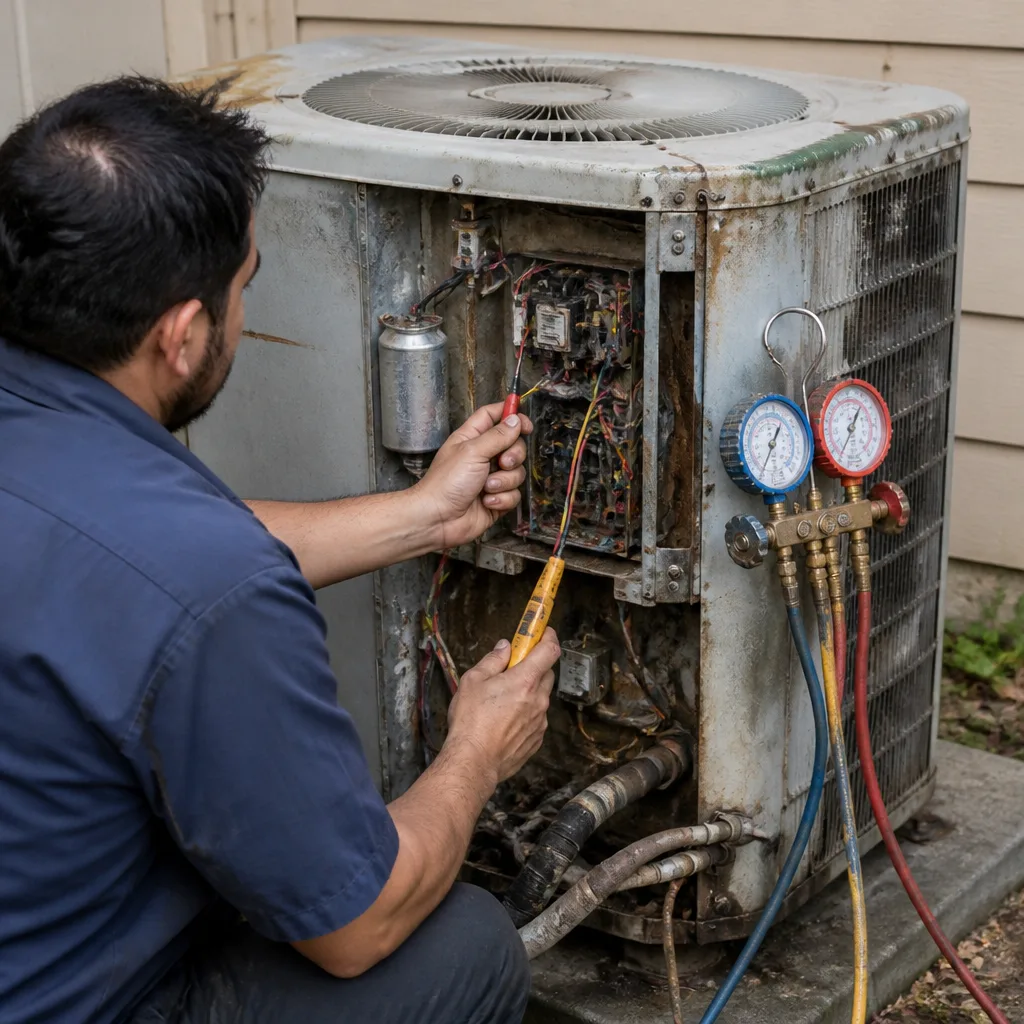 Before
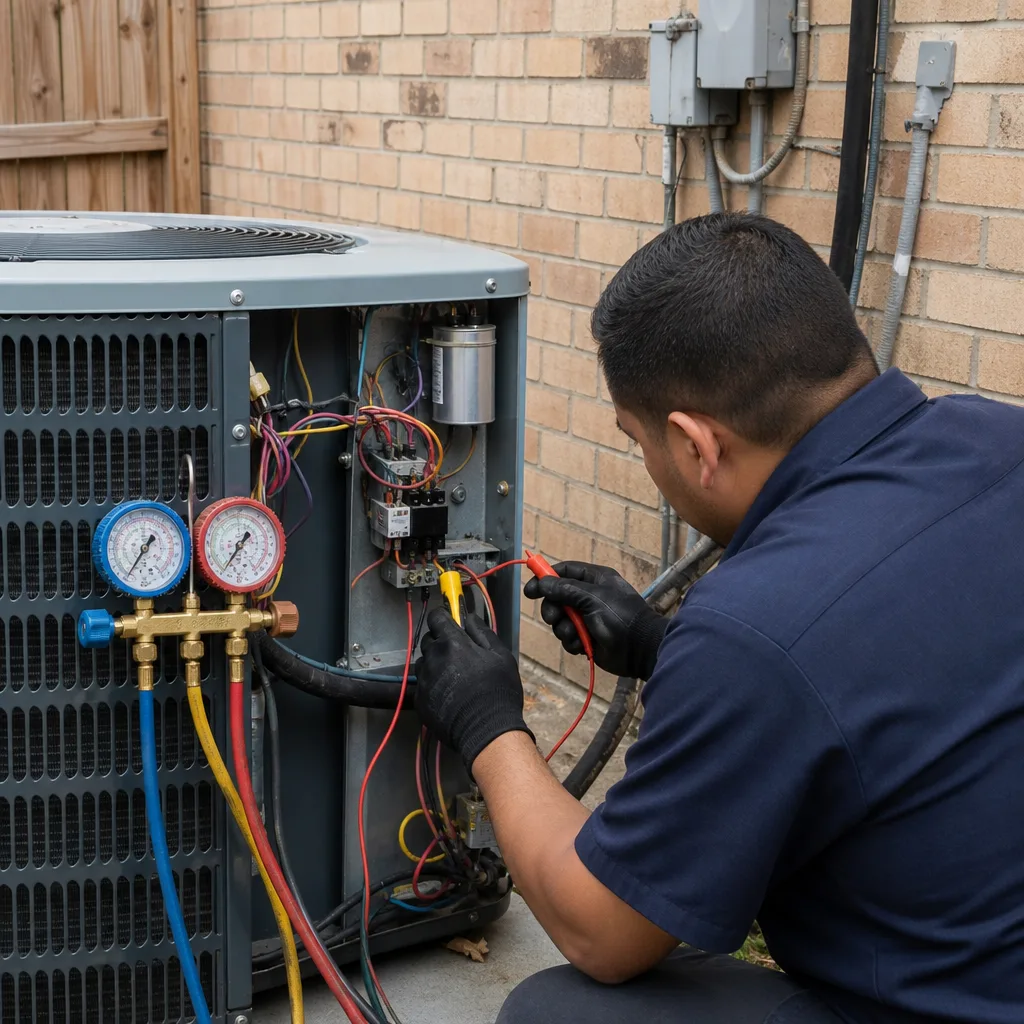 After
After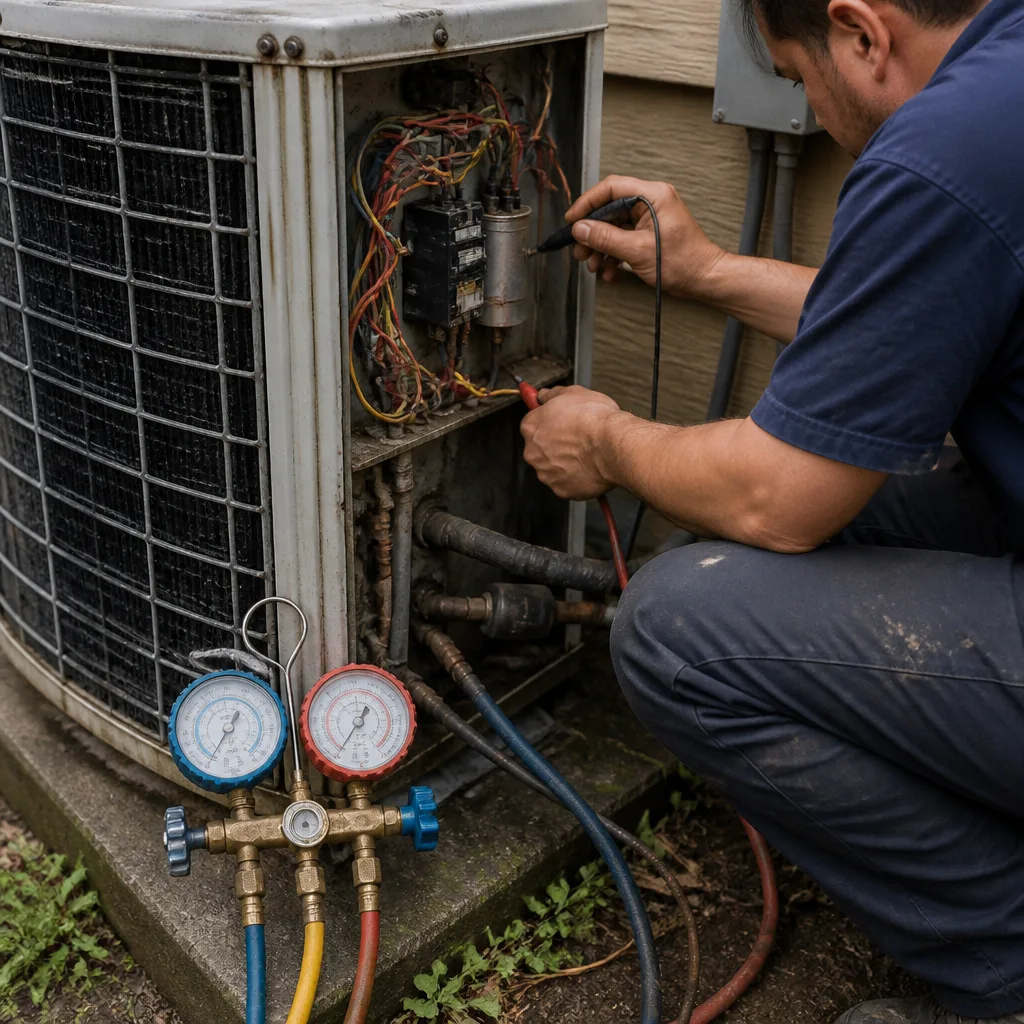 Before
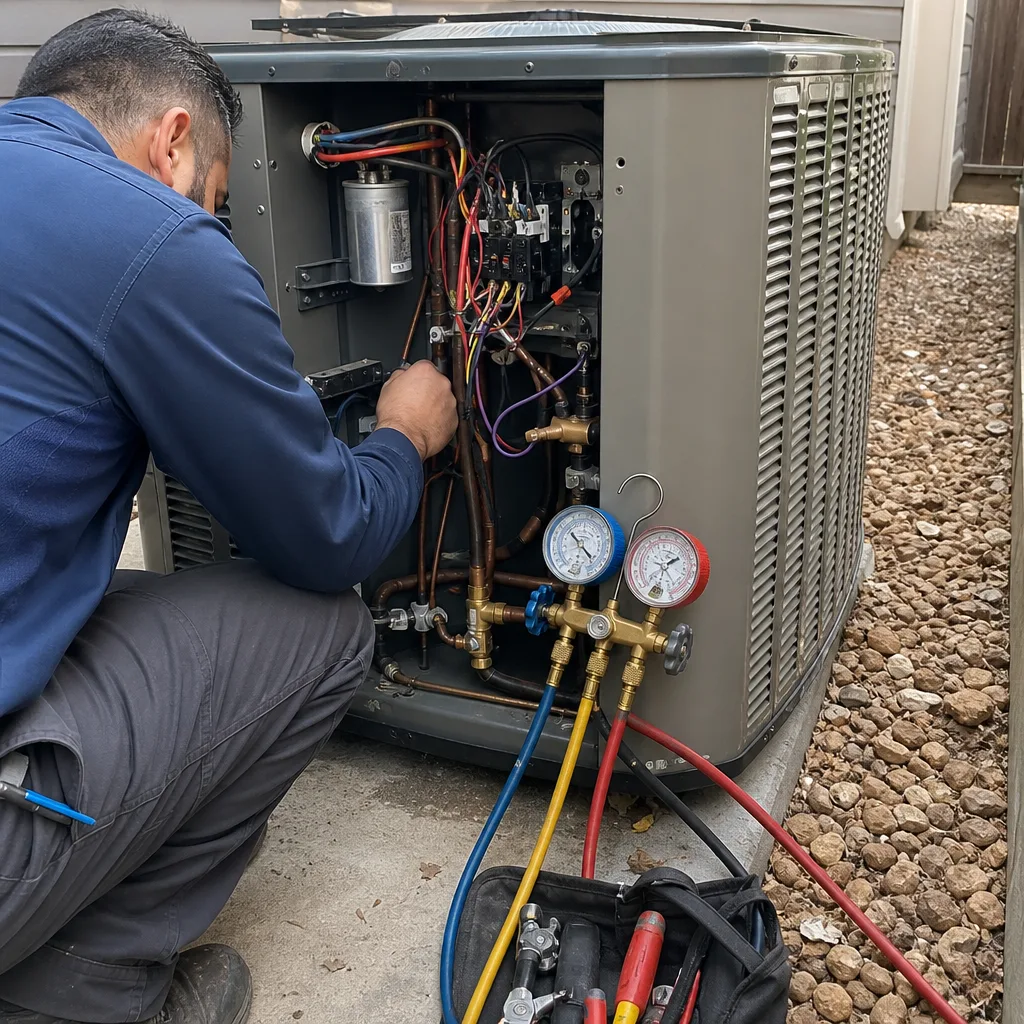 After
After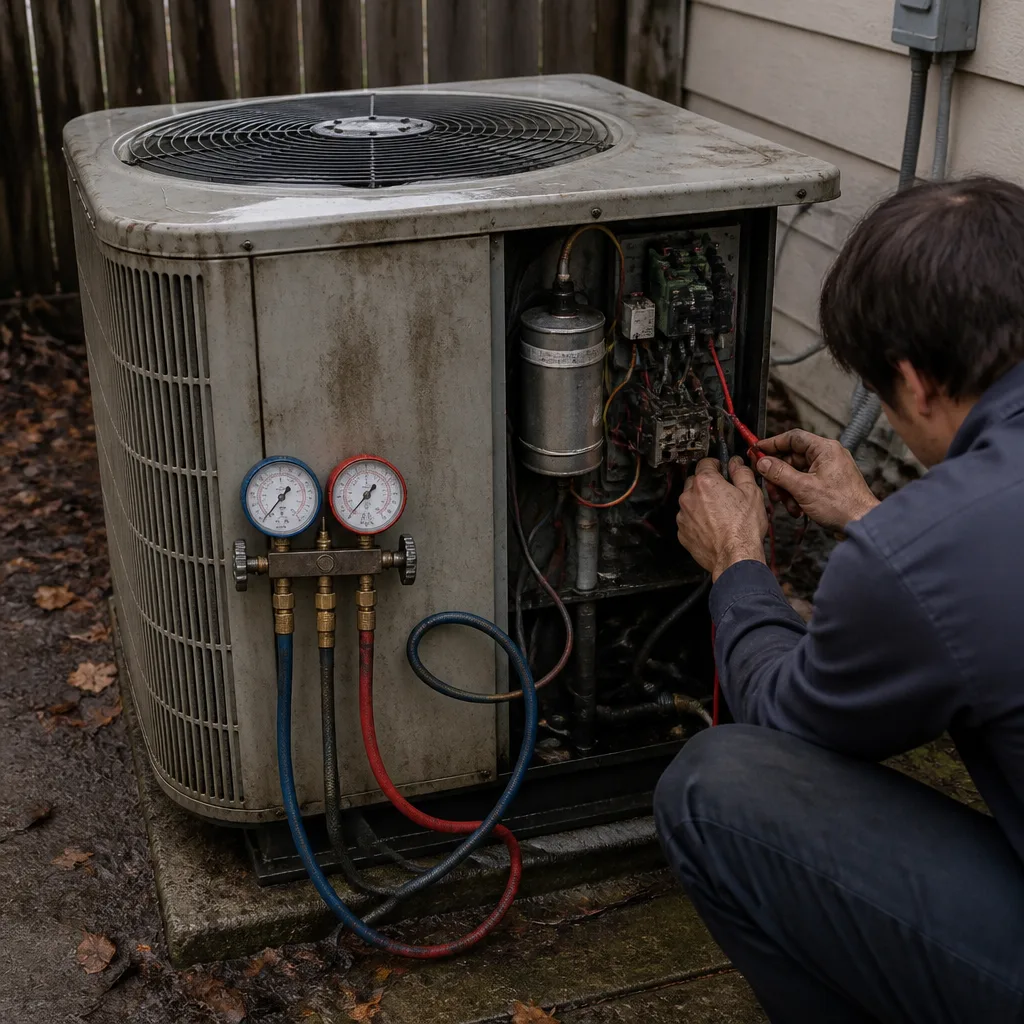 Before
 After
AfterCommon Mistakes to Avoid
- Replacing a capacitor without discharging it. A charged capacitor holds 370 to 440 volts, even with the breaker off. It can deliver a serious shock. Discharge it with a resistor or a properly insulated screwdriver across the terminals, or call someone who will.
- Using duct tape on ductwork. Duct tape fails on ducts within months, especially in Houston’s attic heat. Use foil-backed tape or mastic, and only on accessible joints. Poor duct sealing in a humid climate is a mold problem waiting to happen.
- Overtightening a PVC drain fitting. PVC cracks under too much torque. A cracked condensate drain fitting drips water inside the air handler or the cabinet, where you won’t see it until water reaches the ceiling below.
- Buying the wrong capacitor size because it was cheaper. The microfarad rating is not a suggestion. A 40/5 capacitor cannot substitute for a 45/5. The wrong rating reduces motor torque and shortens motor life. Match the rating exactly.
- Ignoring a repeated breaker trip. A breaker that trips once may be a fluke. A breaker that trips twice in a row is a symptom of a real problem, usually a grounding issue or a failing component. Resetting it repeatedly turns a $200 repair into a $2,000 one.
- Adding refrigerant from a can bought online. It’s illegal without certification, the stop-leak additives in those cans contaminate the system, and the pressure in the can is enough to cause serious injury if handled wrong. This is not a gray area; it’s a hard no.
- Replacing a thermostat without checking for a heat pump. Many Houston homes have heat pumps, even if the outdoor unit looks like a standard condenser. Wiring a conventional thermostat to a heat pump system leaves you without emergency heat on cold nights. Check the model number of your outdoor unit before buying a thermostat.
Frequently Asked Questions
Yes. Replacing a capacitor is legal for a homeowner in Houston and anywhere in Texas, as long as you shut off power at the disconnect and the breaker and safely discharge the capacitor before handling it. The parts cost is $12 – $30 and the job takes about 15 minutes. The main risk is installing the wrong microfarad rating and damaging the compressor over time.
No. Adding refrigerant is a federal EPA violation under Section 608 of the Clean Air Act unless you hold a 608 certification, and the fine is up to $44,539 per incident. Texas also requires refrigerant work to be performed by a TDLR-licensed HVAC contractor. There is no legal workaround, and the cans sold online do not make it legal.
Common Houston AC repair costs run from $150 to $450 for simple electrical repairs like capacitors and contactors, $300 to $800 for blower motors and fan motors, and $1,800 to $3,200 for a compressor replacement. Diagnostic fees in Houston typically run $75 to $150, and many companies roll that fee into the repair cost if you proceed with the work. Call (346) 201-5395 for a written price before any work starts.
Possibly, yes. Most manufacturer warranties from brands like Carrier, Daikin, American Standard, and Bryant exclude damage caused by owner-performed repairs, especially refrigerant handling and electrical work. If a manufacturer can trace a failed compressor to a mis-wired capacitor, the warranty claim can be denied. Read the warranty section of your installation manual before touching anything electrical or refrigerant-related.
You can and should change your air filter every 1 to 3 months depending on pets and allergens, clear the condensate drain line twice a year with a wet/dry vac, check that the outdoor unit is clear of debris and leaves, and test the thermostat batteries. These tasks are legal, safe, and extend the life of your system in Houston’s demanding climate.
Most Houston HVAC companies prioritize no-cooling calls during the summer, with same-day or next-day availability being common between May and September. During peak heat waves in July and August, response times can stretch to 2 – 3 days at crowded companies. Meadowsweet Heating and Air Houston home service area covers the whole Houston metro, and a live person answers the phone 24/7, including nights and weekends.
The Bottom Line
The DIY-versus-professional decision in Houston comes down to one boundary: refrigerant. Everything on the electrical and mechanical side, from capacitors to contactors to fan motors, is legally yours to attempt if you’re comfortable and careful. Everything that requires touching the sealed refrigerant circuit is legally and practically off-limits. Houston’s humidity raises the stakes on every mistake that affects airflow or duct sealing, and manufacturer warranties offer a strong financial reason to leave electrical and refrigerant work to licensed technicians. The smartest Houston homeowners we know do the filter changes, the drain clearing, and the breaker checks themselves, then call a professional the moment refrigerant, gas, or the electrical panel enters the conversation. For more guides & resources on keeping your system running, visit our blog. Call (346) 201-5395 for a free estimate and a written price before any work starts.
Written by Luis Serrano, Owner at Meadowsweet Heating and Air Houston, serving Houston since 2004.