
Last updated October 16, 2026
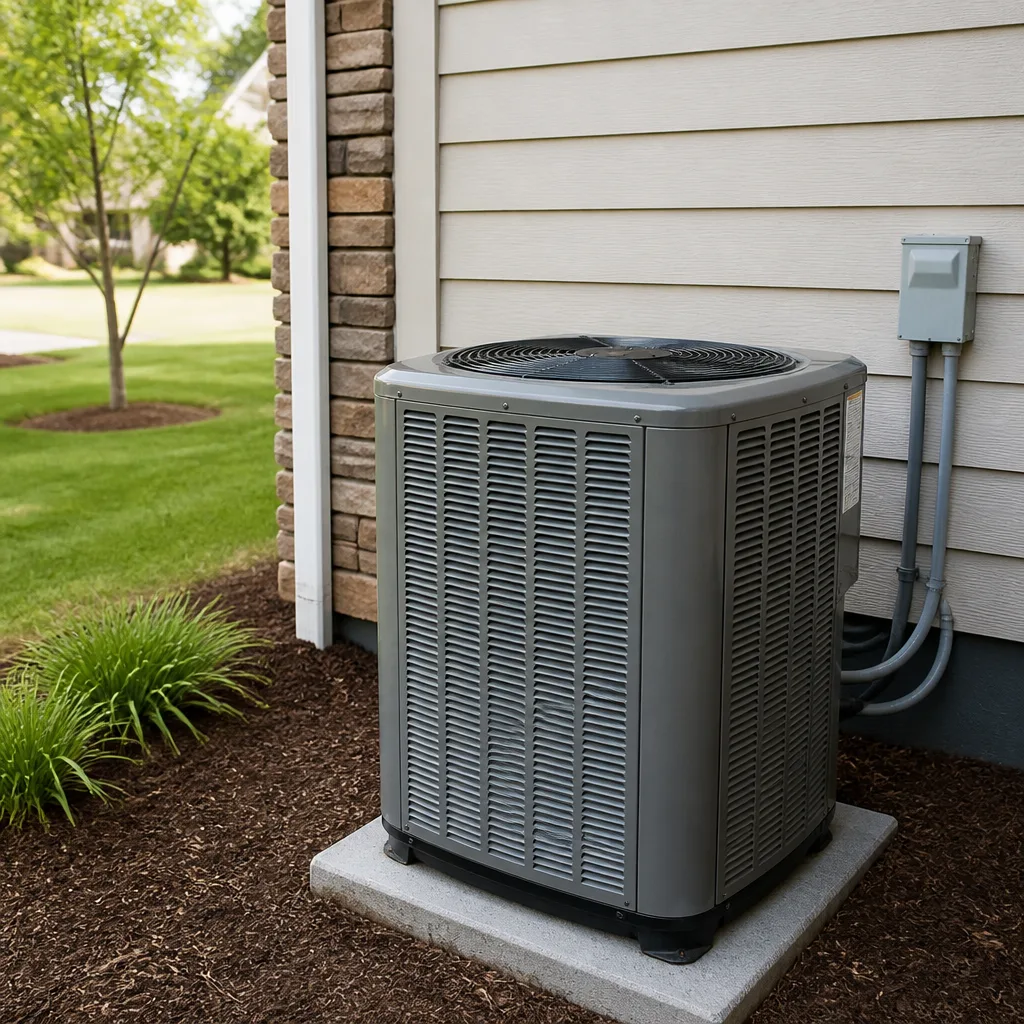 AC repair
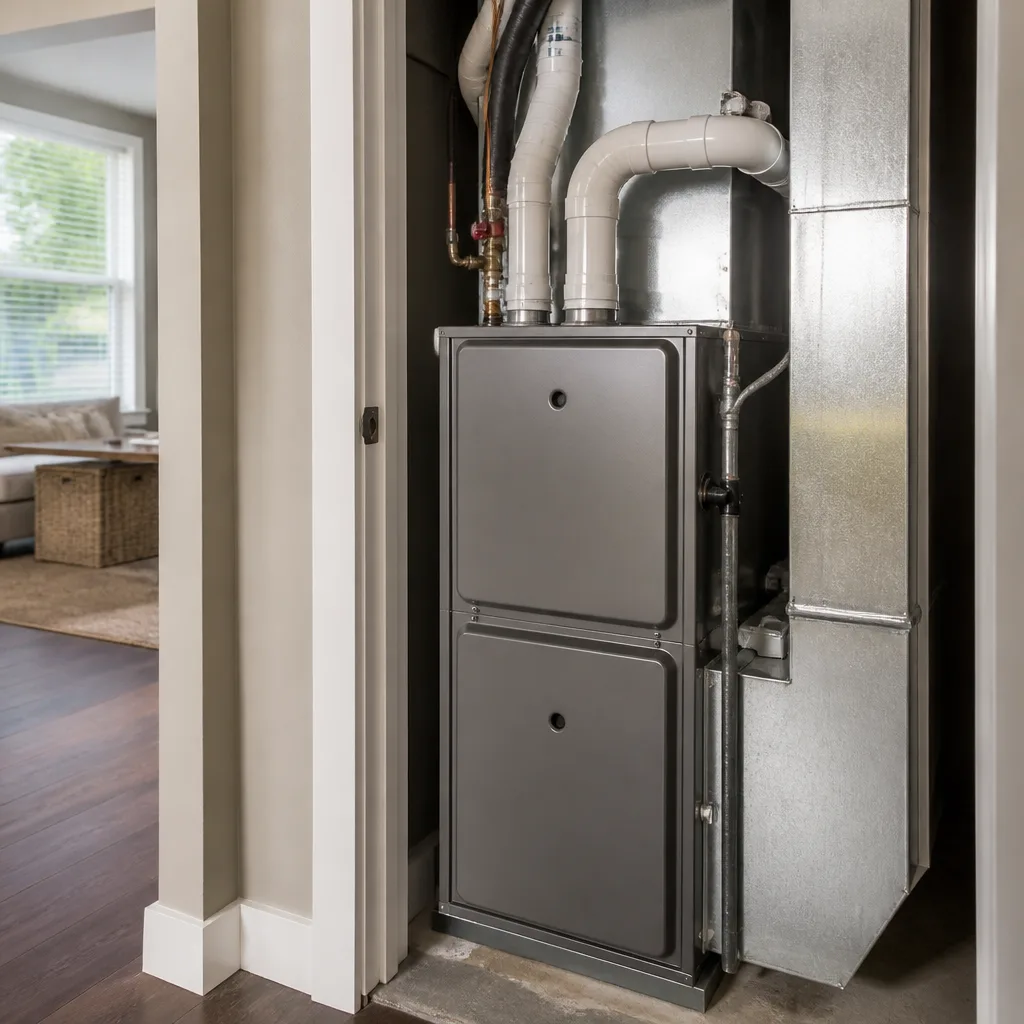 Furnace & heating
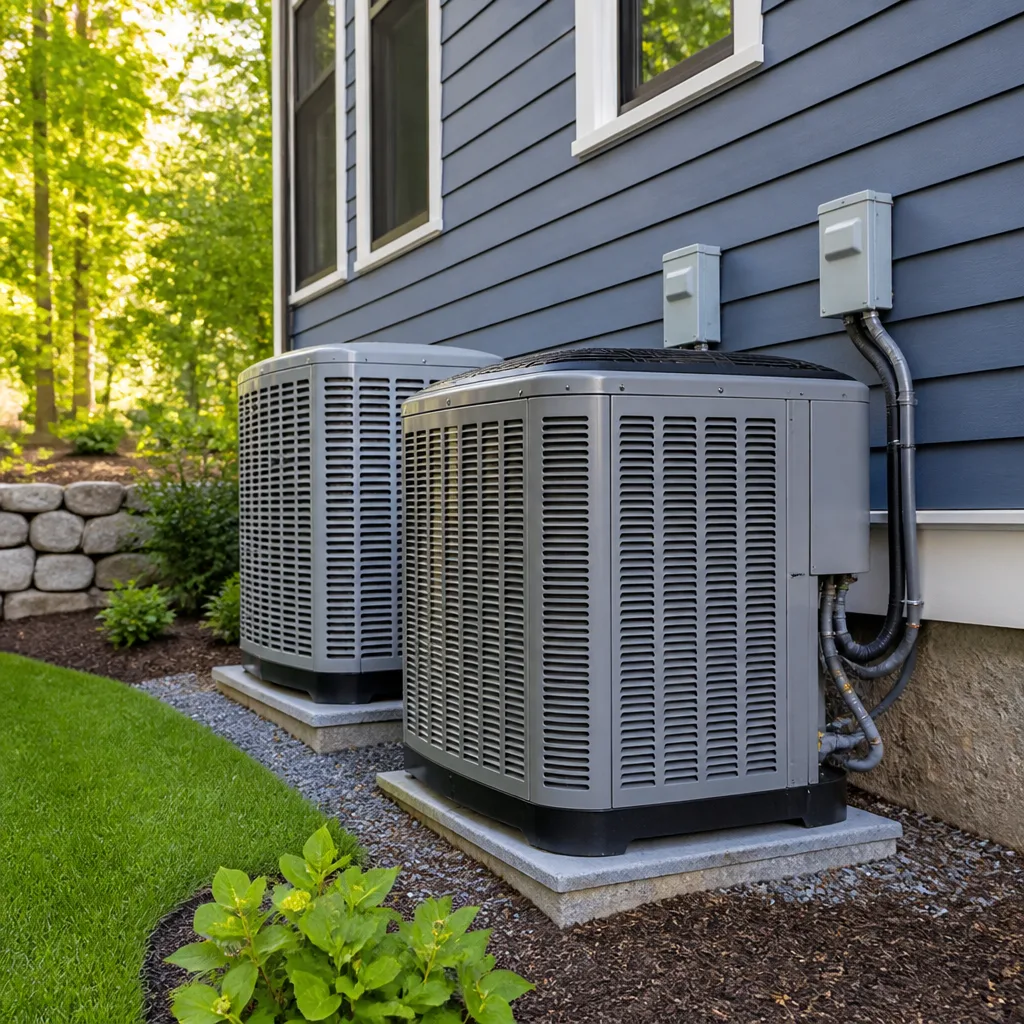 Heat pumps
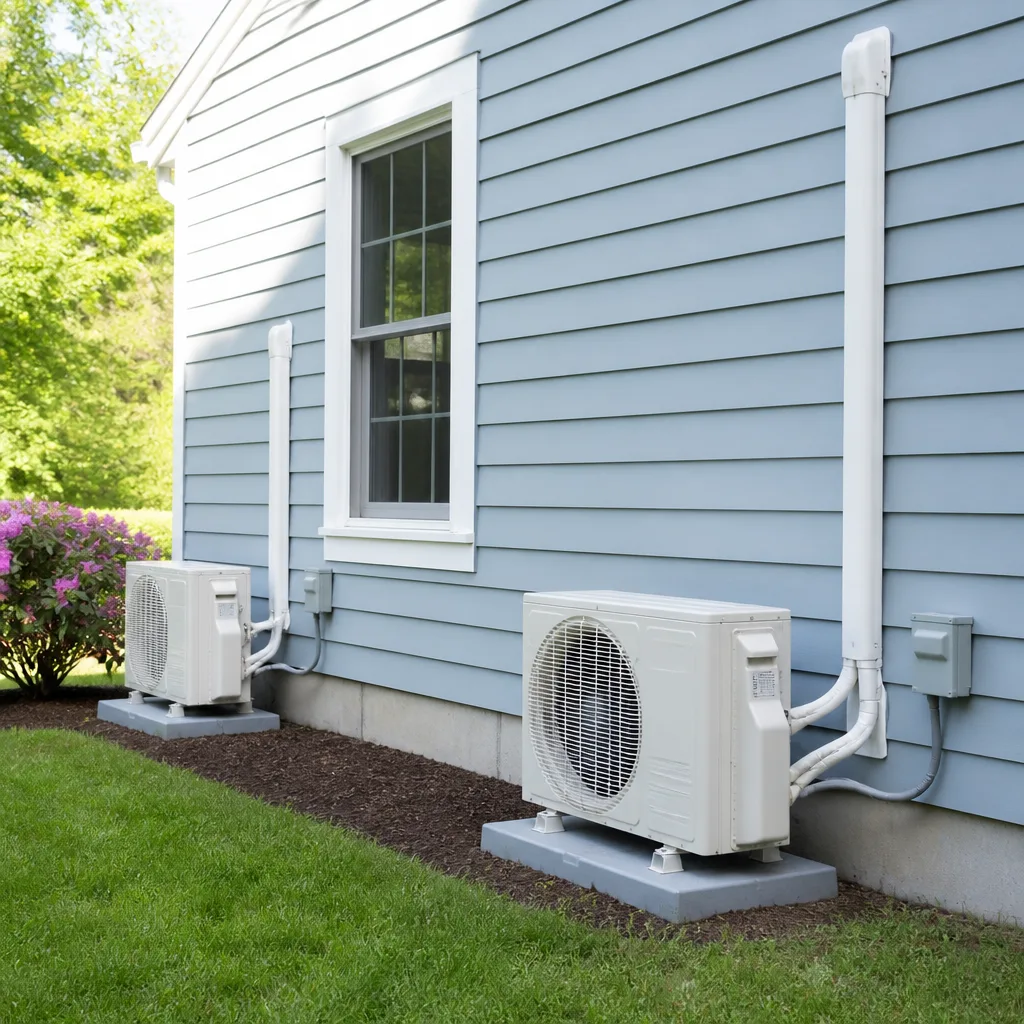 Ductless mini splits
 Carrier
 Trane
Trane Goodman
Seasonal tune-up and full diagnostic on your Carrier, Trane, or Goodman system - readings shown to you before any repair is proposed
Diagnosis first, numbers second - you approve the repair price before a single part goes in.
Get your free estimateHVAC Permits, Codes & Inspections in TX: What You Need to Know
A Houston homeowner discovered at closing that their 3-year-old AC replacement had never been permitted. The buyer’s inspector flagged it, and the deal nearly collapsed over a $150 permit fee the contractor pocketed. That story isn’t rare in Houston, and it isn’t limited to central Houston. It happens in Cypress, Katy, Spring, Pearland, and every neighborhood across Harris County. This guide explains exactly which HVAC projects require a permit in Houston and Harris County, what an inspection checks, how to look up whether your contractor actually pulled one, and what unpermitted work means for your insurance and resale value. You’ll also see what written accountability looks like from a contractor, versus a verbal promise.
Styles & brands we work with
Quick Answer
In Houston and most of Harris County, a permit is required for replacing an HVAC system, installing new ductwork, or adding a new system to a home. Simple repairs like capacitor swaps, contactor replacements, and refrigerant top-offs generally do not require a permit. An unpermitted installation can void a homeowner’s insurance claim, complicate a future home sale, and cost more to fix later than the permit fee ever was.
Table of Contents
- When a Permit Is Required in Houston and Harris County
- When a Permit Is NOT Required (Repairs vs. Replacements)
- How to Look Up Whether Your Contractor Pulled a Permit
- What a City of Houston Mechanical Inspection Actually Checks
- What Happens When an Inspection Fails
- Insurance and Resale Consequences of Unpermitted HVAC Work
- Permit Responsibility in Writing: What Contractor Accountability Looks Like
- Common Mistakes to Avoid
- When to Call a Professional
- Frequently Asked Questions
- The Bottom Line
When a Permit Is Required in Houston and Harris County
The City of Houston requires a mechanical permit for any HVAC work that changes the system’s capacity, replaces the system, alters ductwork, or installs new equipment. In practical terms, that means a full AC or furnace replacement needs a permit. So does adding a second system, converting from a furnace to a heat pump, or running new ductwork. The threshold isn’t about cost. A $6,000 Goodman system replacement and a $14,000 American Standard installation both trigger the same permit requirement.
Harris County’s unincorporated areas follow the same broad rules, but the enforcement path differs. In unincorporated Harris County, permits go through the Harris County Engineering Department or, in some pockets, a municipal utility district with its own inspection authority. The project type thresholds are the same as Houston: replacement, new installation, and ductwork changes are permitted work. Repair work that restores the existing system to its original condition is not.
Here’s what triggers a permit in the City of Houston:
- Full system replacement: Removing an existing AC unit or furnace and installing a new one, regardless of brand.
- New installation in a home that never had central air: Adding an AC system where none existed requires a permit, including the electrical circuit work that goes with it.
- Ductwork replacement or significant modification: Replacing more than a few feet of duct, resizing runs, or adding new supply/return lines.
- Relocating equipment: Moving the condenser, air handler, or furnace to a different location, even if the equipment itself isn’t new.
- Converting fuel types: Changing from an electric furnace to gas, or from gas to a heat pump system.
- New disconnect boxes or electrical service changes: If the HVAC work touches the electrical panel, the electrical permit often rides along with the mechanical permit.
We’ve seen homeowners assume a permit is only for gas work. That’s wrong. Even an all-electric heat pump replacement in Houston requires a mechanical permit. The code review covers refrigerant handling, electrical disconnects, clearances, condensate drainage, and the outdoor unit’s placement relative to property lines and windows.
When a Permit Is NOT Required (Repairs vs. Replacements)
Repairs that keep the existing system running do not require a permit in Houston. This is the most common point of confusion. If your AC stops cooling and the fix is a bad capacitor, a failed contactor, a refrigerant leak repair on the existing lines, or a blower motor replacement, no permit is needed. The system isn’t being changed; it’s being restored.
The line between repair and replacement can blur. Replacing a compressor inside the existing condenser is generally considered a repair. Replacing the entire condenser unit with a new one is a replacement and requires a permit, even if the air handler or furnace stays. Same with an evaporator coil. If the coil is swapped for a new coil inside the existing air handler, most jurisdictions treat it as a repair. If the entire air handler is replaced, that’s a permit job.
Here’s a straightforward breakdown:
- No permit: capacitor, contactor, thermostat, blower motor, control board, condenser fan motor, refrigerant leak repair on existing lines, drain line clearing, coil cleaning, sensor replacement.
- Permit required: condenser replacement, air handler replacement, furnace replacement, heat pump replacement, full system replacement, new duct runs, added returns, new equipment circuits, electric-to-gas or gas-to-electric conversions.
One nuance: a Houston AC repair that involves replacing a major component inside the outdoor unit, like a compressor, may trigger a permit in some municipalities even though the unit itself stays. In central Houston, compressor swaps generally fall under repair. In stricter jurisdictions within Harris County, they may not. The safest question to ask any contractor is: “Are you pulling a permit for this work?” If the answer is vague, ask for the permit number before they start.
How to Look Up Whether Your Contractor Pulled a Permit
The City of Houston uses an online portal where any homeowner can verify whether a mechanical permit was issued for their address. Here’s the step-by-step process:
- Go to the City of Houston Permitting Center’s online portal at houstonpermittingcenter.org.
- Click “Search for a Permit” or “Permit Status,” depending on the current site layout.
- Enter your street address in the search field. Use the street number and name only, no city or zip.
- The results list every permit associated with that address: mechanical, electrical, plumbing, structural. Look for a “Mechanical” permit with a status of “Issued” or “Finaled.”
- Open the permit record to see the issue date, the contractor name listed, the work description, and the inspection history.
- Confirm two things: the contractor named on the permit matches the company you hired, and the work description matches the job they’re actually doing.
If your address doesn’t appear in the portal, or if no mechanical permit shows for the date of your installation, the permit was almost certainly never pulled. In unincorporated Harris County, permits are tracked through the Harris County Engineering Department’s portal, which has a similar address search. Some municipal utility districts use a third-party portal; your contractor should tell you which one applies to your property.
For homes in Brazoria, Fort Bend, or Montgomery counties that are technically in the Houston metro but outside Harris County, each county has its own portal. The process is similar: enter your street address, then look for the mechanical permit. If you can’t find your address in any portal, call the permitting office directly and ask for a permit history by address. They’ll typically provide it over the phone within minutes.
We tell every homeowner we work with in Houston this: check the portal before the equipment goes in. It takes five minutes, and it tells you more than any verbal assurance ever will.
What a City of Houston Mechanical Inspection Actually Checks
A City of Houston mechanical inspection for HVAC work verifies that the installation meets the adopted mechanical code, which is currently the International Mechanical Code with local amendments. The inspector checks the physical installation against what the permit application described. Here’s what they look at:
- Equipment clearances: The outdoor condenser needs a minimum distance from walls, property lines, windows, and gas meters. Houston’s dense lot lines make this check particularly relevant in neighborhoods like Montrose, the Heights, and Bellaire, where side yards are narrow.
- Refrigerant line and electrical disconnect: The disconnect box must be within sight and reach of the condenser, with a weatherproof enclosure and proper conduit.
- Condensate drainage: The drain line must slope correctly, discharge to an approved location, and include a secondary drain or float switch where required. Houston’s humidity makes condensate volume a real issue; inspectors pay attention here.
- Gas connections: For gas furnaces, the inspector checks the gas line connection, sediment trap, shutoff valve, and venting. A gas leak or improper venting is an immediate fail.
- Electrical connections: Wire sizing, breaker rating, and grounding must match the equipment’s nameplate requirements.
- Ductwork connections: The plenum connections must be sealed and supported. Unsupported flex duct or unsealed connections fail outright.
- Labeling and documentation: The installer must leave the manufacturer’s installation manual and any required labels on the equipment.
The inspection generally takes 20 to 45 minutes. The inspector isn’t evaluating whether the brand is good or whether the size is ideal. They’re checking code compliance: does the installation match the permit, and does it meet the minimum safety requirements. A clean pass doesn’t mean the system is perfectly sized or optimized. It means it’s code-compliant, which matters for insurance and resale.
What Happens When an Inspection Fails
A failed inspection is a written list of violations that must be corrected. The inspector doesn’t fix anything. They document what’s wrong, leave a correction notice, and the contractor is required to fix the items and schedule a re-inspection. There’s usually no additional permit fee for the first re-inspection, though some jurisdictions charge for subsequent ones.
Common reasons HVAC inspections fail in Houston include insufficient clearance around the condenser, missing sediment traps on gas lines, undersized electrical wiring, a drain line discharging to the wrong location, or missing documentation. The contractor fixes these, calls for re-inspection, and the process continues until the work passes.
Here’s the timeline reality: a first-inspection pass typically happens within a few days of installation in Houston. A failure adds days, sometimes a week or more, depending on re-inspection scheduling. The homeowner doesn’t pay for the inspector’s time, but they do wait for the final approval. The key thing to know is that a failed inspection is not unusual, and it’s not a red flag by itself. What’s a red flag is a contractor who skips the permit entirely, because the home never gets that independent code review.
For homeowners replacing a system in Houston’s August heat, the permit inspection is often scheduled after the installation is complete. Your new AC runs before the inspection happens, which is standard. The goal isn’t to leave you without cooling during a Houston summer. The goal is independent verification that the work was done right.
Insurance and Resale Consequences of Unpermitted HVAC Work
Texas law doesn’t make unpermitted work itself illegal for the homeowner, but the consequences are financial and they arrive late. If an unpermitted HVAC installation causes a fire, a refrigerant leak problem, or water damage from improper condensate drainage, the homeowner’s insurance carrier may deny the claim. The policy language that matters is usually in the “concealment or fraud” and “increased hazard” sections. An insurer that discovers the damaged system was replaced without a permit can argue the homeowner allowed an unregulated modification that increased the risk on the property.
The resale consequence is more common. A buyer’s home inspector can compare the age of the system against permit records. If a 3-year-old condenser sits next to a 25-year-old house with no mechanical permit on record, the inspector will flag it. The seller then faces three choices: retroactively permit the work (not always possible in Houston, depending on how long ago it was done), offer a credit at closing, or risk the buyer walking. In a competitive market, that single flag can cost thousands of dollars or kill the deal entirely.
Homeowners should also review the seller’s disclosure forms. Texas requires sellers to disclose known defects and material facts. An unpermitted HVAC system that the homeowner knew about, or had reason to know about, can become a disclosure obligation. Failing to disclose creates a basis for the buyer to sue after closing.
For families in Houston planning to sell within five to ten years, the permit situation is as much a financial decision as an equipment decision. A Houston AC installation with a proper permit costs a little more upfront. It protects significantly more later.
Permit Responsibility in Writing: What Contractor Accountability Looks Like
A verbal assurance that “we’ll take care of the permit” is worth nothing in Houston. What matters is paper. The permit should be in the contract or the written estimate, listed as a line item with a dollar amount. The contractor’s name should appear as the permit holder, not the homeowner’s. And the permit number should be available to the homeowner before the equipment arrives on site.
At Meadowsweet Heating and Air, part of the Cedarwell Care Promise is that the permit responsibility is explicit in writing. Every installation estimate includes the permit fee as a line item, we’re listed as the permit holder, and we provide the permit number before work begins. No verbal assurances, no “we’ll pull it after.” If you can’t get a permit number before the installation, that’s the signal to stop the project.
Here’s what written permit accountability looks like, in practice:
- The written estimate lists “Permit Fee” with a dollar amount.
- The contract states who is listed as the permit holder.
- Before installation day, the homeowner receives the permit number.
- The homeowner can verify that number in the Houston or Harris County portal.
- After the inspection, the homeowner receives the final approval notice or inspection report.
Those five steps are what separates a contractor who handles permits from one who pockets the fee and hopes nobody looks. In Houston, the permit fee for a mechanical replacement typically ranges from $100 to $250 depending on the scope. That’s the range the City of Houston and most Harris County jurisdictions charge. If a contractor quotes a permit fee outside that range, ask for the fee schedule.
Common Mistakes to Avoid
- Believing the contractor pulled a permit without checking: The Houston permitting portal takes five minutes to search. If your address shows no mechanical permit, the fee was pocketed and your home has exposed liability.
- Assuming a repair doesn’t need a permit that actually does: Replacing an entire condenser is a replacement, not a repair. The same applies to any component swap that changes the system’s working configuration.
- Paying cash with no written contract that includes the permit line: Cash deals without paper are where permit skips happen most in Houston. No written agreement means no recourse.
- Waiting until closing to discover the problem: A seller who learns about an unpermitted HVAC system at the inspection stage has few good options. Checking permits right after installation costs nothing and removes the risk.
- Treating a failed inspection as a contractor’s problem only: The contractor fixes the violations, but the homeowner owns the timeline. If re-inspections drag, the final approval is delayed, and the home remains in permit limbo.
- Ignoring the permit question on a new construction or major renovation: New additions or remodels that touch HVAC need their own mechanical permits. The general building permit doesn’t auto-cover the HVAC scope.
- Assuming the home warranty covers unpermitted work: Home warranty contracts generally exclude systems installed without permits. The warranty claim gets denied the moment the permit history is pulled.
When to Call a Professional
If you have an HVAC system in Houston that was replaced in the last several years and you don’t know whether a permit was pulled, that’s the call to make. The same applies if you’re buying a home and the seller’s disclosure mentions HVAC work but the permit history is empty. Any new installation, replacement, or ductwork project in Houston should include a licensed mechanical contractor who handles the permit in writing. Meadowsweet Heating and Air Houston offers free estimates in Houston and will provide the permit fee as a written line item before any work starts. Call (346) 201-5395 to ask about your project and what the permit requirement looks like for your specific address. If you’re simply researching for future work, browse our more guides & resources or call our team to walk through what’s needed for your home in Harris County without any obligation.
For repairs on existing systems, we’re the team behind Houston HVAC service done with written pricing before work begins. Our technicians show up in uniform, with shoe covers and drop cloths, and they follow the C.A.R.E. values on every visit: Clean up like it’s their own home, Ask before moving anything, Respect your family’s time and quiet hours, and Explain the price before the work. That’s the standard whether we’re repairing a York condenser in Cypress or installing a new Daikin heat pump in Sugar Land.
Frequently Asked Questions
Yes. Any full AC or furnace replacement in Houston requires a mechanical permit from the City of Houston or, for unincorporated areas, Harris County Engineering. The permit covers the equipment change, electrical connections, and condensate drainage, and it must be pulled by the licensed contractor performing the work. Call (346) 201-5395 to find out exactly what applies to your address.
In Houston and most Harris County jurisdictions, a mechanical permit for HVAC replacement typically costs between $100 and $250 depending on the project scope. The fee is a line item on the contractor’s written estimate. If your contractor can’t show you the permit fee in writing, ask for the fee schedule.
You can list it, but the unpermitted work will likely surface during the buyer’s inspection and may derail the sale. Texas seller disclosure rules require you to disclose material facts you know about the property, which can include unpermitted HVAC work. Permitting the work after the fact isn’t always possible, and the closing credit you’ll be asked to give often exceeds the original permit cost several times over.
Search your street address in the City of Houston Permitting Center’s online portal or the Harris County Engineering portal for unincorporated areas. Look for a “Mechanical” permit with your contractor’s name and a status of “Issued” or “Finaled.” If nothing appears for the installation date, the permit was probably never pulled.
Your homeowner’s insurance may deny the claim. Standard Texas home insurance policies allow denial when a material modification increased the property’s risk and the homeowner knew or should have known it was unpermitted. Check your policy’s “concealment or fraud” and “increased hazard” sections for the exact language.
Most furnace repairs do not require a permit. Replacing a blower motor, control board, igniter, flame sensor, or gas valve on the existing furnace is a repair and is exempt. Replacing the entire furnace is a replacement and requires a mechanical permit. The distinction is whether the equipment’s capacity or configuration changes. For Houston furnace repair done right, we always confirm the permit requirement for your specific situation before any work begins.
The Bottom Line
An HVAC permit in Houston is not paperwork theater. It’s the independent verification that the installation meets code, protects against insurance claim denials, and keeps the resale value of your home intact. Repairs on existing systems don’t require permits. Replacements, new installations, and ductwork changes do. The permit costs between $100 and $250 in most Houston jurisdictions, and the contractor’s name should be on it, with the fee in writing before work starts. Verify through the Houston or Harris County portal, and get the final inspection approval in hand. The small fee and few days of process are cheap insurance against a problem that costs thousands later.
Written by Luis Serrano, Owner at Meadowsweet Heating and Air Houston, serving Houston since 2004.
See the difference
 Before
 After
After Before
 After
After Before
 After
After