
Last updated October 16, 2026
 AC repair
 Furnace & heating
 Heat pumps
 Ductless mini splits
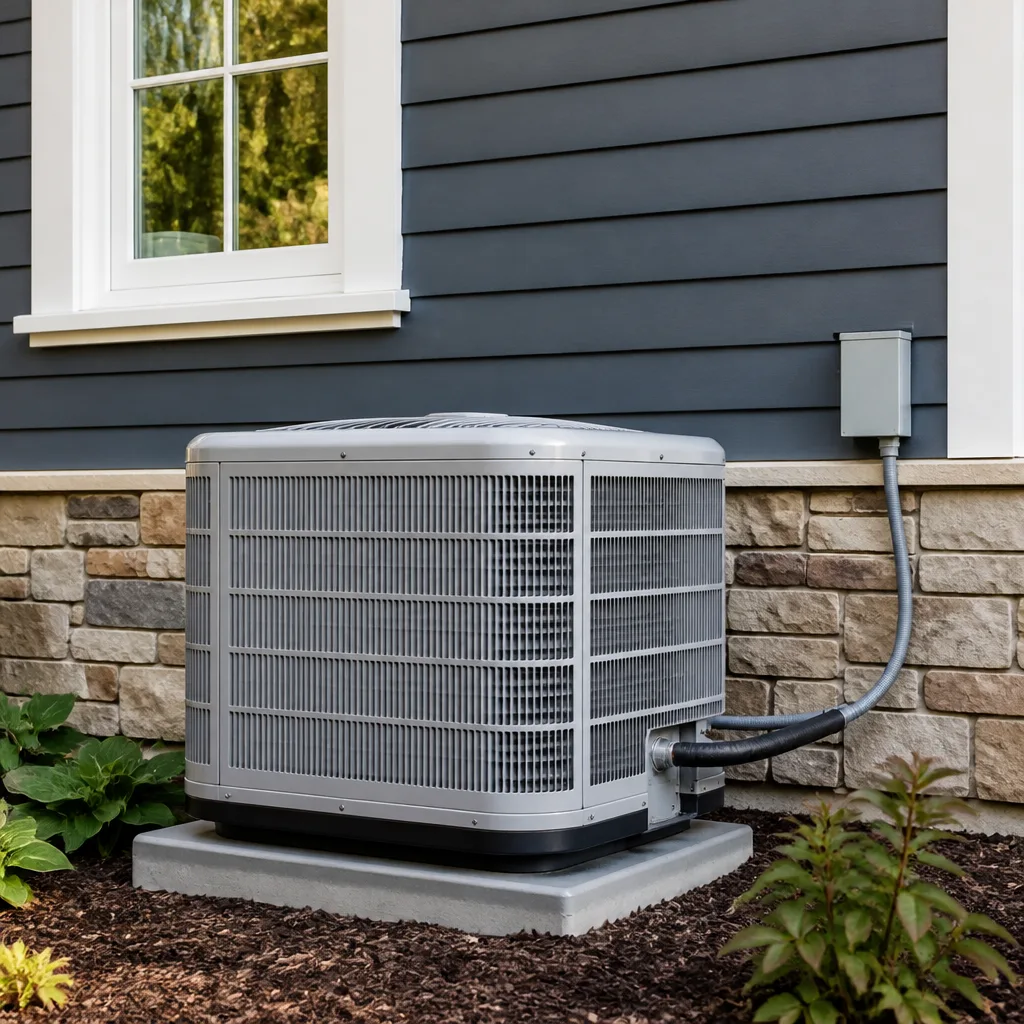 Carrier
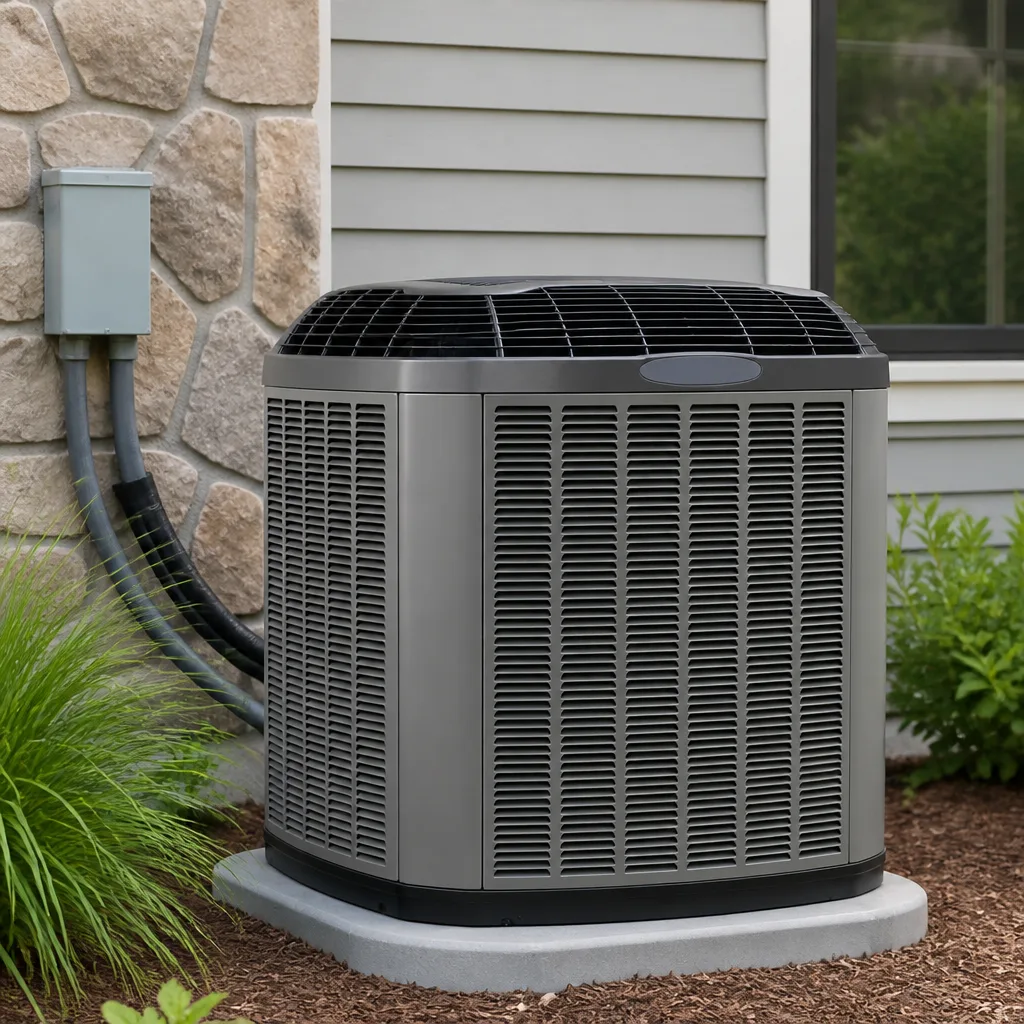 Trane
Trane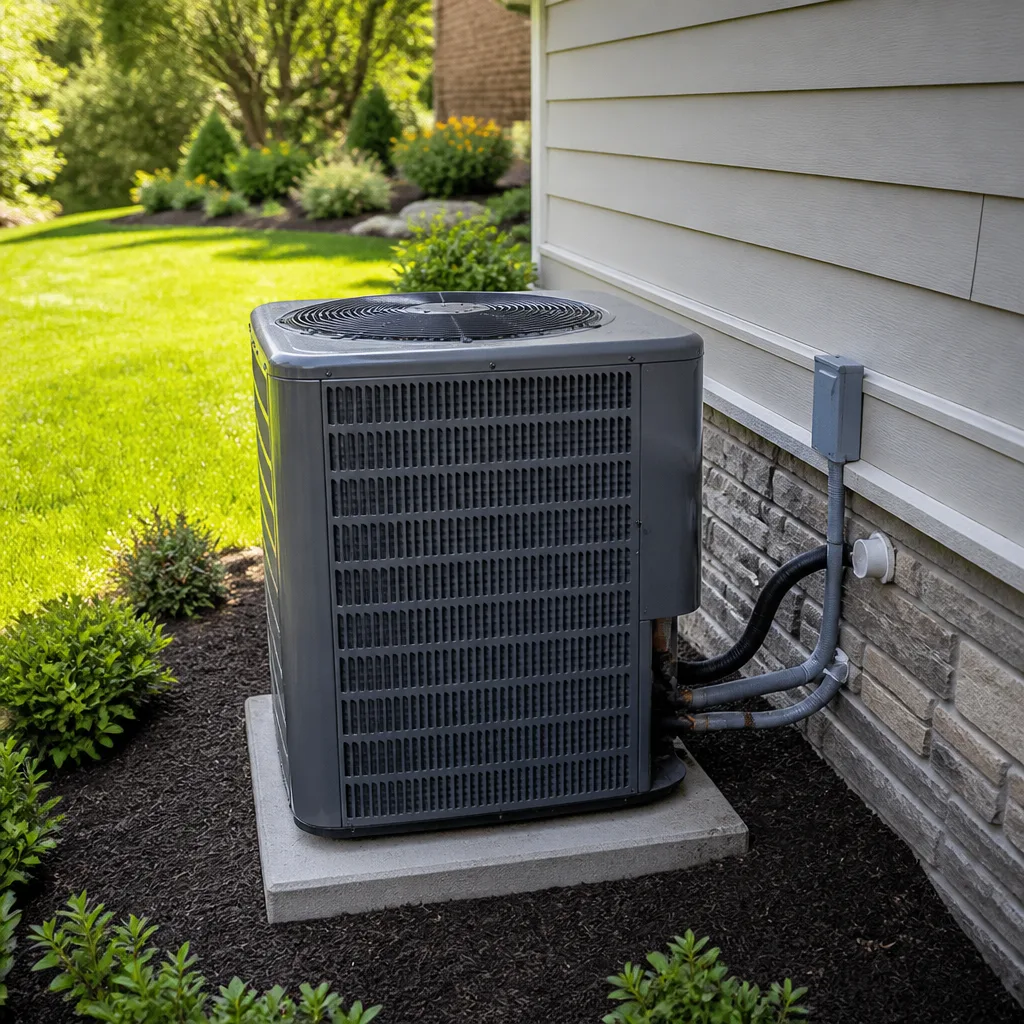 Goodman
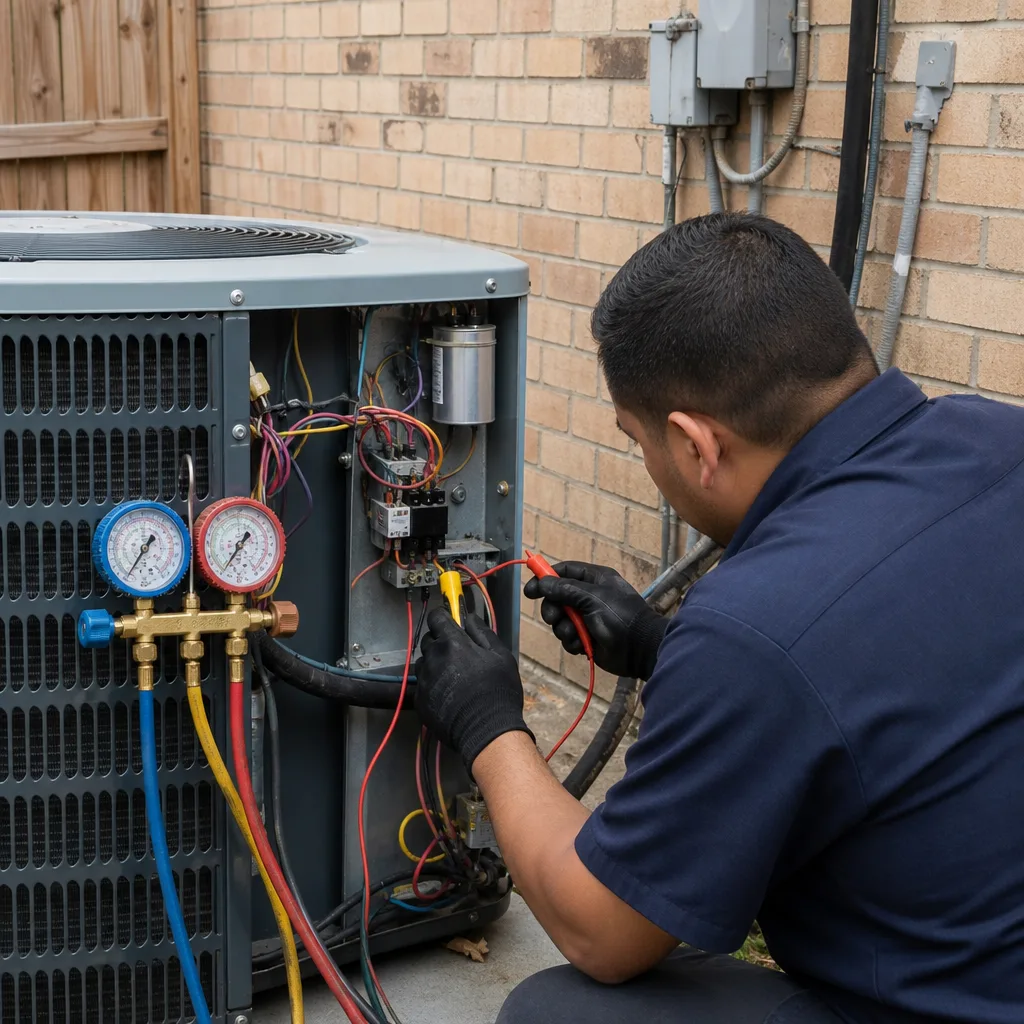
Seasonal tune-up and full diagnostic on your Carrier, Trane, or Goodman system - readings shown to you before any repair is proposed
Diagnosis first, numbers second - you approve the repair price before a single part goes in.
Get your free estimateSeasonal HVAC Care for Houston: Year-Round Homeowner’s Guide
Houston homeowners who tune up their systems only once a year are leaving their equipment unserviced for the September heat surge, which historically causes as many failures as July. The national-standard recommendation of “spring and fall” was written for places with actual autumns. Here, our cooling season runs from March through October, with two distinct peaks, a dangerous winter wildcard, and a humidity ramp that does invisible damage before anyone thinks to call for help. This guide lays out the five-phase Houston HVAC calendar: what to do, when to do it, what it costs to skip it, and how to know when a CenterPoint bill spike is normal versus a sign your equipment is quietly failing. For The Complete Guide to HVAC in Houston, see our deeper resource on system types and sizing. If you own a home in Houston, this is the maintenance rhythm your system was actually designed for.
Quick Answer
Houston HVAC care works best on a five-phase annual rhythm: a pre-summer prep in March and April, peak summer monitoring from May through August, a September second-wave tune-up most homeowners skip, a February freeze-prep window unique to Gulf Coast construction, and a spring humidity inspection in May. A single annual tune-up leaves your system unserviced for the September heat surge and the February freeze risk-our AC Repair Maintenance Checklist for Houston Homeowners covers what each season demands. The realistic cost range for staying on top of this is $180 to $450 per year in maintenance visits, compared with $900 to $2,800 for the emergency repairs that skipped checkups lead to.
Styles & brands we work with
Table of Contents
- Phase One: Pre-Summer Prep (March – April)
- Phase Two: Peak Summer Survival (May – August)
- Phase Three: The September Second Wave
- Phase Four: The February Freeze Window (December – February)
- Phase Five: The Spring Humidity Ramp (March – May)
- Houston Energy-Use Benchmarks by Season
- Common Mistakes to Avoid
- When to Call a Professional
- Frequently Asked Questions
- The Bottom Line
Phase One: Pre-Summer Prep (March – April)
By mid-March, Houston’s daytime highs are already brushing 80 degrees, and your air conditioner is about to work harder than it has since October. The pre-summer window is the single most important maintenance period of the year, and it’s less about fixing problems than preventing them before the first 95-degree day arrives. A system that gets inspected in March has six to eight weeks of moderate weather to reveal any weak points before the real stress begins.
Here’s the pre-summer checklist we recommend for every Houston home, roughly in order of importance:
- Change the air filter and set a recurring reminder. During Houston’s cooling months, a 1-inch filter needs replacing every 30 to 45 days, not the 90 days printed on the packaging. The humidity here loads filters with more than dust: it loads them with mold spores and pollen. A clogged filter raises indoor humidity levels, forces the blower motor to work harder, and can ice over the evaporator coil during a long July run.
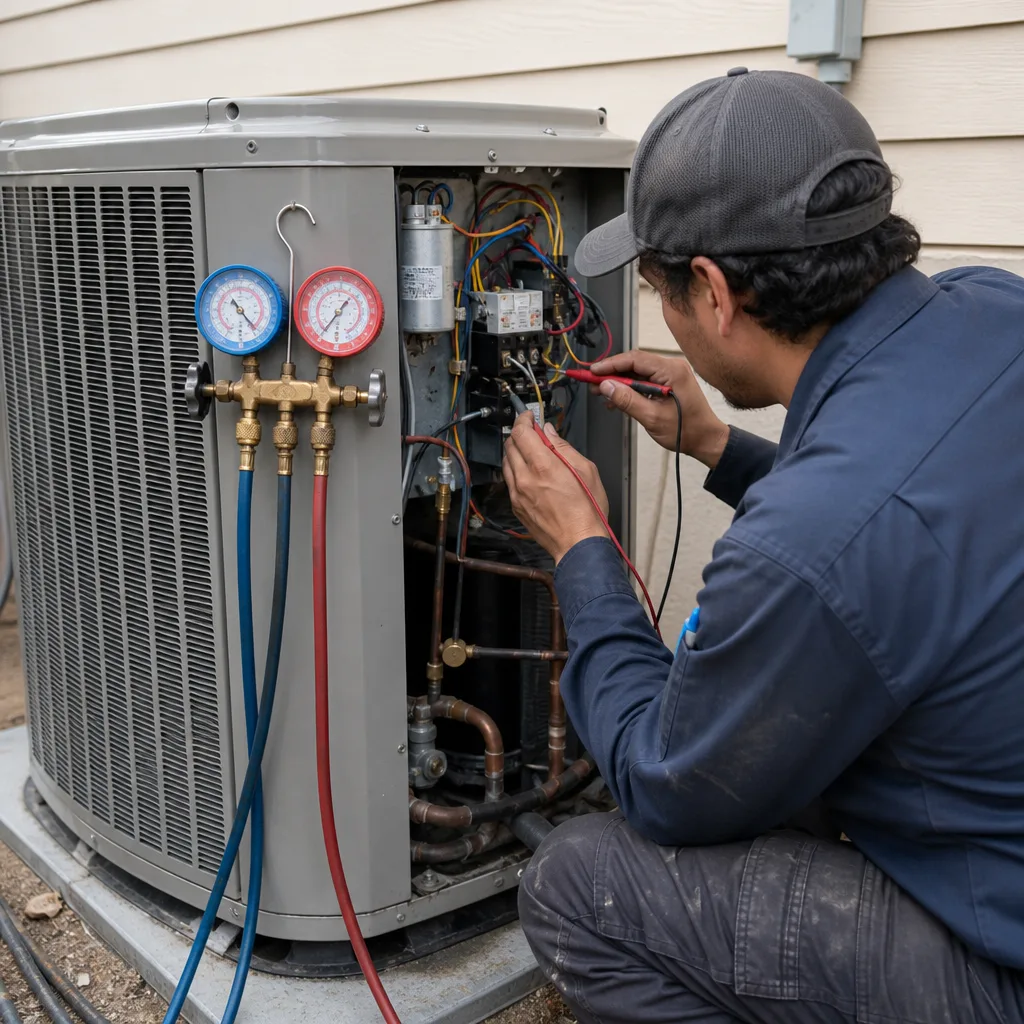
- Check refrigerant charge. A system that’s 10% low on refrigerant uses about 20% more electricity to produce the same cooling. Technicians measure this with gauges; homeowners can watch for longer run times, warmer supply air, and ice forming on the copper line set at the outdoor unit.
- Inspect and clean the outdoor condenser coil. Houston’s oak pollen season coats condenser coils in a sticky film that reduces heat transfer. A dirty coil can raise cooling costs by 15% or more. If you do this yourself, kill power at the disconnect first, rinse gently with a garden hose from top to bottom, and straighten any bent fins with a fin comb. Never use a pressure washer: it folds the fins flat and can force water into the fan motor.
- Check the condensate drain line. The PVC pipe that carries condensation out of your attic air handler is a mold and algae breeding ground in Houston’s humidity. A blocked drain line is the single most common cause of water damage we see in Houston attics each spring. Pour a cup of white vinegar into the drain line access point, wait 30 minutes, then flush with water. If the water doesn’t flow freely out of the pipe near the outdoor unit, you have a blockage that needs clearing before it backs up into the ceiling.
- Test the system now, while the stakes are low. Run the AC for 30 minutes with a thermometer in the supply vent. You’re looking for a temperature drop of 15 to 20 degrees from return air to supply air. If the drop is less than 15 degrees, something’s off: low refrigerant, a dirty coil, or blower speed problems. Finding it in March means scheduling a repair on your timeline; finding it in August means an emergency call at 9 p.m.
Cost expectation: A professional pre-summer tune-up in Houston typically runs $90 to $180 per visit. Most of the work above can be done by a homeowner in 60 to 90 minutes, except the refrigerant check, which requires gauges and a license for handling refrigerant-see our DIY vs Professional HVAC: The Houston Homeowner’s Decision Guide to know where to draw the line.
Phase Two: Peak Summer Survival (May – August)
From May through August, Houston’s cooling load doesn’t let up. Your air conditioner may run 14 to 18 hours a day during a heat wave, and the stress of continuous operation reveals weaknesses that shorter run times never expose. Peak summer care is less about scheduled maintenance and more about daily observation, smart thermostat settings, and knowing which warning signs warrant action and which are normal behavior.
Start with what’s normal. During a Houston heat wave (highs above 97 degrees, overnight lows above 79), your air conditioner will run almost continuously. That’s not a failure; that’s a properly sized system doing its job. A correctly sized AC unit in Houston is designed to hold indoor temperature at your set point on the hottest design day of the year, and it will cycle off only briefly or not at all from late afternoon through midnight. If your system is holding 75 degrees on a 100-degree day while running constantly, it’s working exactly as designed.
What’s not normal in Houston’s summer:
- Ice forming on the outdoor unit or the copper line set. Ice means the refrigerant circuit is off: low charge, a dirty indoor coil, or restricted airflow. Shut the system off and switch the thermostat to fan-only to thaw it, then call for service. Running it while iced can destroy the compressor, turning a $200 repair into a $2,000 replacement.
- The system tripping its breaker more than once. One breaker trip can be a fluke of a hot day and a stressed grid. A second trip within a week points to a failing capacitor, a burned contactor, or a compressor drawing too much current. None of these fix themselves, and all get worse.
- Supply air that feels barely cool at night. When the sun goes down and the outdoor temperature drops, your system should recover quickly. If it’s still blowing lukewarm air at midnight, the issue is the equipment, not the weather.
- A CenterPoint bill spike that doesn’t match the weather. If your July bill jumps 40% over June with no change in thermostat settings and no heat wave to explain it, something mechanical is dragging efficiency down. Track monthly kilowatt-hours, not just dollars, so you can compare apples to apples.
For thermostat settings, the classic Houston summer recommendation is 78 degrees when you’re home and awake. That’s the Department of Energy standard, and it’s what your system is sized for on a design day. If 78 feels uncomfortable, bump it down gradually over a week; each degree below 78 adds roughly 3 to 5% to cooling cost. At night, 75 or 76 degrees with a fan running is comfortable for most Houston families, and the overnight hours are when your system gains the most ground for the next day’s heat.
Peak summer is also when you should be watching your drain line every couple of weeks. The same condensation story from Phase One gets more intense in July, when your system can pull 10 to 20 gallons of water out of Houston’s air every day. If the line clogs in July, the water backs up into the emergency drain pan, and if that pan’s float switch fails, it comes through the ceiling. We’ve seen this happen most often in second-floor bedrooms in Bellaire and Meyerland, where ranch-style homes with older horizontal units in the attic put the drain pan directly above the most lived-in part of the house.
Phase Three: The September Second Wave
September is the month Houston homeowners forget about, and it bites them every year. The kids go back to school, the calendar says fall, and the air conditioner gets pushed to the back of everyone’s mind. But Houston’s historical daily highs in September average 89 to 92 degrees, and the first two weeks of September regularly deliver stretches of 95-plus heat with punishing afternoon humidity that rivals anything July produced. A system that survived August can fail in September because the filter hasn’t been changed in six weeks, the drain line has been collecting sludge all summer, and the capacitor has been cooking in the attic heat since May.
The September second wave is a checklist problem. National HVAC guidance says “tune up in spring, tune up in fall,” and Houston homeowners who follow that advice got a spring tune-up in March. By September, that visit is six months old, and six months of Houston heat and humidity is a long time. Here’s the September-specific checklist that gets missed:
- Change the filter again. Most systems in Houston need a filter change every 30 to 45 days during continuous cooling. If your last filter went in during early August, it’s due by mid-September, right before the second heat wave peaks.
- Clear the outdoor coil of late-summer debris. Summer storms and lawn work leave grass clippings, leaves, and Texas dust caked on the condenser coil. A coil that was clean in April is often coated by September, and that coating reduces efficiency exactly when the second heat wave demands peak output.
- Check the capacitor and contactor. These are the two most common electrical failure points on Houston air conditioners, and they fail from thermal cycling, not from age alone. An HVAC technician can test them in minutes with a multimeter. A capacitor replacement runs $150 to $300 in Houston; the emergency call to replace a failed one on a 96-degree September Saturday runs $300 to $500.
- Inspect the drain pan and float switch. If your emergency drain pan has been collecting water all summer because the primary line was slowly clogging, September’s humidity can push it over the edge. Look for water stains on the ceiling near the air handler, or check the pan directly if your unit is accessible.
- Test the system for a full cycle during the heat of the day. September’s heat pattern is different from July’s: the nights are slightly cooler, but the afternoon heat still hits hard. Run the system during the late afternoon, measure supply air temperature again, and listen for any new sounds, hissing, or short-cycling.
Cost of ignoring the September second wave: The most common September failures we see in Houston are capacitor failures ($180 to $350), condensate overflows causing ceiling damage ($400 to $1,200 in drywall and insulation repair), and compressor failures on units that were already struggling with a refrigerant leak ($1,800 to $3,500 for a compressor replacement, often on a unit that should have been replaced anyway). A September tune-up that catches these issues early costs $90 to $180, and it can be scheduled in advance instead of as an emergency call. For a deeper look at what’s involved in a proper seasonal inspection, see our guide on AC Repair in Houston.
Phase Four: The February Freeze Window (December – February)
Houston doesn’t get a real winter, and that’s exactly the problem. Our homes are built for heat rejection, not heat retention. Slab foundations put plumbing in uninsulated attics and exterior walls where pipes freeze at temperatures that wouldn’t threaten a home in Minnesota. Minimal attic insulation is the norm in older Houston housing stock, and the furnace or heat pump that spends 10 months of the year idle is asked to perform during the 10 days a year when performance matters most. February is the month that exposes all of it: February 2021 brought 10-degree lows and week-long freezes that damaged tens of thousands of Houston homes.
Freeze preparation in Houston is a different animal from freeze preparation in the Northeast. Here, it’s about three specific vulnerabilities:
- Frozen attic plumbing and equipment. Most Houston homes route water lines through the attic, where there’s no heat and minimal insulation. The same goes for the furnace or air handler, which sits in the attic in many ranch-style homes. The condensate drain line from the air handler carries water year-round, and when that water freezes, the ice can crack the PVC line and send a slow leak into the ceiling as soon as it thaws.
- Heat pumps that can’t keep up. A heat pump sized for Houston’s cooling load produces far less heat when outdoor temperatures drop below 35 degrees, and below 25 degrees, many units struggle to hold 65 degrees inside without auxiliary heat strips running constantly. If those heat strips fail, or if the heat pump is on an undersized circuit, February nights in the 20s leave a house at 55 degrees by morning.
- The furnace that hasn’t been inspected since last winter. Gas furnaces in Houston run between November and February, then sit idle for nine months at a time. A cracked heat exchanger is a carbon monoxide risk that only reveals itself when the furnace under load during a cold snap. The time to inspect a furnace is before the first freeze, not during it.
Three freeze-preparation steps every Houston homeowner should take by late December:
- Have the furnace or heat pump heat cycle professionally checked. This means running the heat for 30 minutes, measuring temperature rise or heat output, checking the heat exchanger for cracks (gas furnace), testing the heat strips (heat pump), and verifying the thermostat’s emergency heat setting works. Cost in Houston: $90 to $150, and it’s often the difference between a warm house and a burst pipe in February. If you need a furnace inspection, start with our Furnace Repair in Houston page for what to expect.
- Insulate exposed pipes and drain lines in the attic and outside. Foam pipe insulation is $2 to $5 per 6-foot section at any Houston hardware store. Wrap everything you can reach, especially pipes near the eaves where cold air leaks in from the soffit vents. For the condensate drain line, heat tape wrapped around the PVC is a $25 insurance policy against a cracked line and ceiling water damage.
- Know where your main water shutoff is and how to use it. When pipes freeze and burst in Houston, the damage happens during the thaw, not the freeze. The moment you notice a frozen pipe or a pressure drop, shut off the water at the street or at the main valve inside. Every minute of thawed water spraying into an attic is a ceiling drywall replacement, and after a freeze event, restoration companies charge a premium. Write the valve location on a visible tag, and show every adult in the house where it is.
For heat pumps specifically, avoid the common Houston mistake of setting the thermostat back too far at night during a freeze. Heat pumps recover slowly in cold weather, and a 10-degree nighttime setback means the system runs the emergency heat strips for an hour every morning, which can cost more than just holding a steady temperature. During a freeze event, set the thermostat to 68 and leave it there for the duration. That’s the setting that protects pipes, keeps equipment running within its capacity, and avoids the morning recovery spike.
Phase Five: The Spring Humidity Ramp (March – May)
Houston’s humidity ramp starts in March, peaking in May with relative humidity that often sits above 80% even when temperatures are still comfortable. This is the season when the air conditioner becomes a dehumidifier first and a cooling device second, and that shift in duty loads the system’s moisture-handling components weeks before the cooling season technically starts.
What’s happening physically: warm, moisture-saturated air passes over a cold evaporator coil, and water condenses out. That water is supposed to drain away through the condensate line. But during Houston’s spring, the sheer volume of water moving through the system is enormous: a 3-ton unit can pull 15 to 20 gallons of water out of Houston air on a single humid May day. The drain line, which is only 3/4-inch PVC, becomes a biological incubator. Mold, algae, and the same slime you see on a Houston birdbath grow rapidly in the warm, wet, dark environment of the drain line and drain pan.
The spring humidity ramp also affects the evaporator coil itself. A coil that’s been sitting in cool, damp conditions for weeks at a time collects bio-growth, and that growth insulates the coil surface. Insulated coils don’t absorb heat as well, so the system runs longer to hit the same temperature, which pulls more moisture out of the air, which feeds more growth. It’s a self-reinforcing loop, and by June, a system can be using 20% more electricity than it did the previous fall, with no mechanical failure to explain it.
The Meadowsweet Heating and Air Houston home approach to the spring humidity ramp is to treat it as a distinct maintenance window, not an afterthought. Here’s what to check in May, before the cooling load hits:
- Test the dehumidification performance. On a humid day, run the AC with a hygrometer in a central room. If the system can’t pull indoor relative humidity below 55% during a normal cooling cycle, something is off: low refrigerant, a dirty coil, or airflow problems. Houston families who live with 65% indoor humidity are paying for cooling that isn’t dehumidifying, and they’re also living with elevated mold risk.
- Clean or treat the drain line and pan. A coil-safe algaecide tablet in the drain pan is a $10 solution that slows the spring slime buildup. If the line is already slow-draining, a professional blow-out with compressed air or CO2 clears it. Skipping this in May is why so many Houston attics flood in July.
- Check the AC run time on mild days. In May, on an 80-degree day, a properly sized system should run 40 to 60% of the time. If it’s short-cycling (less than 10 minutes per cycle), it’s oversized or has a control problem. If it runs constantly but the house isn’t cooling, it’s low on refrigerant or the coil is dirty. Both patterns are easier to diagnose before the heat arrives.
- Inspect the outdoor unit’s surroundings. Spring growth in Houston is aggressive. Bushes, vines, and weeds grow up around the condenser and restrict the airflow it needs to reject heat. Keep 18 to 24 inches of clear space around all sides of the outdoor unit, and trim anything that’s climbed up the unit over the winter.
The spring humidity ramp is also the right time to consider whether your system is sized and configured for Houston’s dehumidification needs. Older units with single-speed compressors struggle to dehumidify on mild, muggy days because they cycle on and off too quickly. Variable-speed and two-stage systems, which are becoming more common in Houston replacement work, hold longer runtimes at lower capacities, and that’s what pulls moisture out of the air. We service equipment from nine manufacturers, including Daikin, Rheem, and Bryant, and different brands handle Houston’s humidity differently depending on how the blower and compressor are staged. It’s worth discussing with a technician who knows the equipment, not just a salesperson reading a brochure.
Houston Energy-Use Benchmarks by Season
One of the most common questions we hear from Houston homeowners is some version of, “Is my CenterPoint bill normal?” The answer depends heavily on the season, your home’s age and insulation level, and your thermostat habits. But there are benchmarks that hold reasonably well across the Houston market, and knowing them helps you spot a system problem before it turns into a repair bill.
What follows assumes a 2,000-square-foot single-family home with typical Houston insulation (R-30 in the attic, if you’re lucky), a 10-year-old single-speed air conditioner, and a thermostat set to 78 in summer and 68 in winter. If your home is larger or your insulation is worse, adjust upward.
| Season | Typical Monthly kWh | Typical Cost Range | What It Means |
|---|---|---|---|
| March – April (pre-summer) | 800 – 1,200 kWh | $110 – $170 | Moderate cooling and low humidity load. A bill above $200 in April usually means the system is running inefficiently or set too low. |
| May – June (early summer) | 1,400 – 1,900 kWh | $190 – $260 | Cooling becomes dominant. Bills climb fast as overnight lows warm up and the system runs through the night. |
| July – August (peak summer) | 2,200 – 3,000 kWh | $300 – $420 | These are the highest bills of the year in Houston. A 2,000-square-foot home with poor insulation can hit $500 monthly. Track the kWh per degree-day to see if you’re over-burning. |
| September – October (second wave and shoulder) | 1,400 – 1,800 kWh | $190 – $250 | September can match June’s usage. October drops sharply as overnight lows fall. A September bill equal to July’s is a red flag. |
| November – February (heating season) | 700 – 1,200 kWh | $100 – $170 | Harris County homes heat primarily with heat pumps or gas furnaces. Electric heat pumps will spike on freeze days when heat strips engage; a single February freeze can add $50 to $80 to a single bill. |
The key diagnostic is not the dollar amount but the trend. If your kWh usage for a given month jumps more than 25% compared with the same month last year, with no change in thermostat settings, no change in occupancy, and no unusual weather, something mechanical has changed. Common culprits: refrigerant leak (low charge forces longer runtimes), failing capacitor (compressor works harder to start), dirty outdoor coil (reduced heat rejection), or duct leaks that appeared in the attic. All of these are fixable, and the fix usually costs less than the over-burn you’re paying for month after month.
For families planning a system replacement, the same benchmarks help frame the payback math. A modern variable-speed system from a manufacturer like Bryant, Rheem, or Daikin, properly sized and installed in a Houston home with decent ductwork, will typically cut peak summer cooling costs by 25 to 40% compared with a 15-year-old single-speed unit. On a July-August bill of $350 per month, that’s $90 to $140 in savings per peak month, and the comfort improvement, particularly in dehumidification, is the part homeowners notice first. For a deeper dive on replacement options and Houston-specific sizing, see our AC Installation in Houston guide.
Common Mistakes to Avoid
- Following the national “spring and fall” tune-up schedule. Houston has two cooling peaks, not one. A single spring tune-up in March leaves your system unserviced through the September second wave, which is when capacitors, contactors, and clogged drain lines fail under the same stress that wrecked them in July.
- Closing supply vents in unused rooms. Houston homes often have undersized return ducts, and closing supply vents increases static pressure across the system. The blower works harder, the coil runs colder, and the system becomes more likely to freeze. If you want to balance temperatures between rooms, have a technician adjust the dampers and check the return air path instead.
- Setting the thermostat to 72 degrees on a 100-degree afternoon to “cool the house faster.” Air conditioners don’t cool faster when set lower; they run longer. On Houston’s design days, a system that can hold 78 degrees with constant runtime may not be able to reach 72 at all, and you’ll pay for the attempt in over-burn without ever getting comfortable.
- Ignoring the condensate drain until water appears on the ceiling. By the time the water makes it through the drywall, the line has been clogging for weeks or months. The $5 of vinegar and 15 minutes of attention in May prevent $800 in ceiling repair in August.
- Assuming a heat pump will handle a February freeze like a furnace. Houston heat pumps are sized for cooling, and their heating capacity drops as outdoor temperatures fall. During a freeze event, a heat pump without functioning aux heat strips will not hold temperature, and the resulting cold house puts your attic plumbing at risk. Test the emergency heat every winter before you need it.
- Putting foam insulation over attic soffit vents to “keep the heat in.” Houston attics need ventilation to manage humidity and prevent condensation. Blocking the soffit vents traps moisture in the attic, causes the roof deck to sweat, and rots the sheathing. Insulate your ducts and your pipes; vent the attic.
- Relying on the thermostat filter reminder. Those reminders are calendar-based, not condition-based. In Houston’s pollen season, a 30-day filter can be plugged in 20 days. Check the filter visually every month during peak seasons, and keep a supply of the right size on hand.
When to Call a Professional
Some seasonal tasks are DIY-friendly: filter changes, visual inspections, clearing debris from the outdoor unit, pouring vinegar into the drain line. But several Houston-specific situations call for a trained technician with gauges, meters, and the ability to safely handle refrigerant and electrical components. Call a professional if your air conditioner runs constantly but can’t hold 78 degrees during moderate weather, if you see ice on the refrigerant line or the indoor coil, if the breaker trips twice in one week, or if your September electricity usage suddenly jumps 30% over August with no thermostat change. Furnace and heat pump issues are in the same category: a gas furnace with a suspected cracked heat exchanger is a carbon monoxide risk, and heat pump refrigerant circuits carry enough pressure and voltage to cause serious injury if handled improperly. For any of these, Meadowsweet Heating and Air Houston offers free estimates in Houston, and a live person answers the phone 24/7 at (346) 201-5395. Every visit includes a written price before work starts, shoe covers and drop cloths in the home, and a photo of the clean-up before the crew leaves.
Frequently Asked Questions
Every 30 to 45 days during Houston’s cooling season, which runs from March through October. Houston’s air carries pollen, mold spores, humidity, and construction dust that load filters faster than the 90-day recommendation printed on most packaging. Families with pets should check every 30 days, and homes near active construction, like new builds in Cypress or Katy, may need monthly replacement until the surrounding development is complete. A plugged filter raises your cooling bill and stresses the blower motor. Call (346) 201-5395 if you need help identifying the right filter size for your system.
Yes, and the second one matters more than most homeowners expect. A pre-summer tune-up in March or April prepares the system for the primary cooling season, but Houston’s September heat wave is a second peak that failures follow closely. A September inspection catches capacitors worn from a full summer of thermal cycling, drain lines clogged with months of biological growth, and coils coated in summer debris. The second visit typically costs $90 to $180 and prevents emergency calls that cost two to four times that amount.
Seventy-eight degrees when you’re home and awake is the DOE recommendation and the setting Houston systems are sized for on design days. Each degree below 78 adds roughly 3 to 5% to cooling cost, so 74 degrees costs about 15 to 20% more than 78 during peak months. The most cost-effective approach for Houston families is 78 during the day, 75 at night with ceiling fans running, and a smart thermostat that returns the house to 75 before you wake up rather than letting it spike to 85 during the day and forcing a long recovery.
September’s bill is driven by humidity, shorter but intense heat spikes, and a system that’s been running hard for four straight months. Houston’s September humidity often exceeds July’s, and dehumidification costs energy. If your September kWh usage matches July’s with no weather explanation, the likely culprits are a dirty outdoor coil (accumulated over summer), a plugged filter, or low refrigerant from a slow leak. These are detectable and fixable, and a seasonal tune-up can identify them before the next billing cycle. For help diagnosing a high bill, call (346) 201-5395 – estimates are free.
Insulate all exposed pipes and the condensate drain line in your attic, test your furnace or heat pump heat cycle before the first freeze, know where your main water shutoff is, and set the thermostat to a steady 68 degrees during the freeze event instead of using a deep nighttime setback. Houston homes are constructed for heat rejection, not heat retention, and the plumbing in our attics and exterior walls freezes at temperatures that wouldn’t threaten colder-climate homes. The 2021 freeze taught us that the damage happens during the thaw; shutting off the water at the first sign of a frozen pipe limits what a burst pipe can destroy.
The practical threshold in Houston is about 12 to 15 years of age, at which point a major component failure (compressor, condenser coil, or evaporator coil) usually calls for replacement rather than repair. Houston’s long cooling season means our systems accumulate runtime faster than the national average; a 12-year-old Houston AC may have the equivalent of 16 or 17 years of wear compared with a unit in a northern climate. When the repair cost is more than 40% of the replacement cost, and the unit is over 10 years old, replacement is usually the better long-term value. Newer variable-speed systems from manufacturers like Carrier, Bryant, and Daikin also dehumidify much better than single-speed units from 15 years ago. For a Houston-specific look at replacement costs and options, see our AC Installation in Houston page.
The Bottom Line
Houston’s HVAC calendar has five phases, not four: a March-April pre-summer prep, a May-August peak cooling season, a September second wave that follows the same failure patterns as July, a February freeze window that exposes our attics and slab foundations, and a spring humidity ramp that quietly loads the dehumidification system before the heat arrives. Staying ahead of the curve costs $180 to $450 per year in maintenance visits and filter replacements. Falling behind costs $900 to $2,800 in emergency repairs, plus whatever the water damage bill adds. The maintenance rhythm your Houston system was designed for is one filter change every 30 to 45 days, a tune-up before each of the two cooling peaks, a heat cycle test before the first freeze, and a drain line inspection every spring. That’s it. Do those things, and your system will do what Houston needs it to do. For more guides & resources, visit our blog.
Contact Meadowsweet Heating and Air Houston
If you’re ready to get your Houston home’s HVAC system on the right seasonal schedule, call Meadowsweet Heating and Air Houston at (346) 201-5395 for a free estimate. Every visit includes a written price before any work begins, background-checked uniformed technicians, shoe covers and drop cloths in your home, and a photo of the clean-up before the crew leaves. We service nine major equipment brands, answer every call with a live person 24/7, and back every job with the 365-Day Done Right Promise.
Written by Luis Serrano, Owner at Meadowsweet Heating and Air Houston, serving Houston since 2004.
See the difference
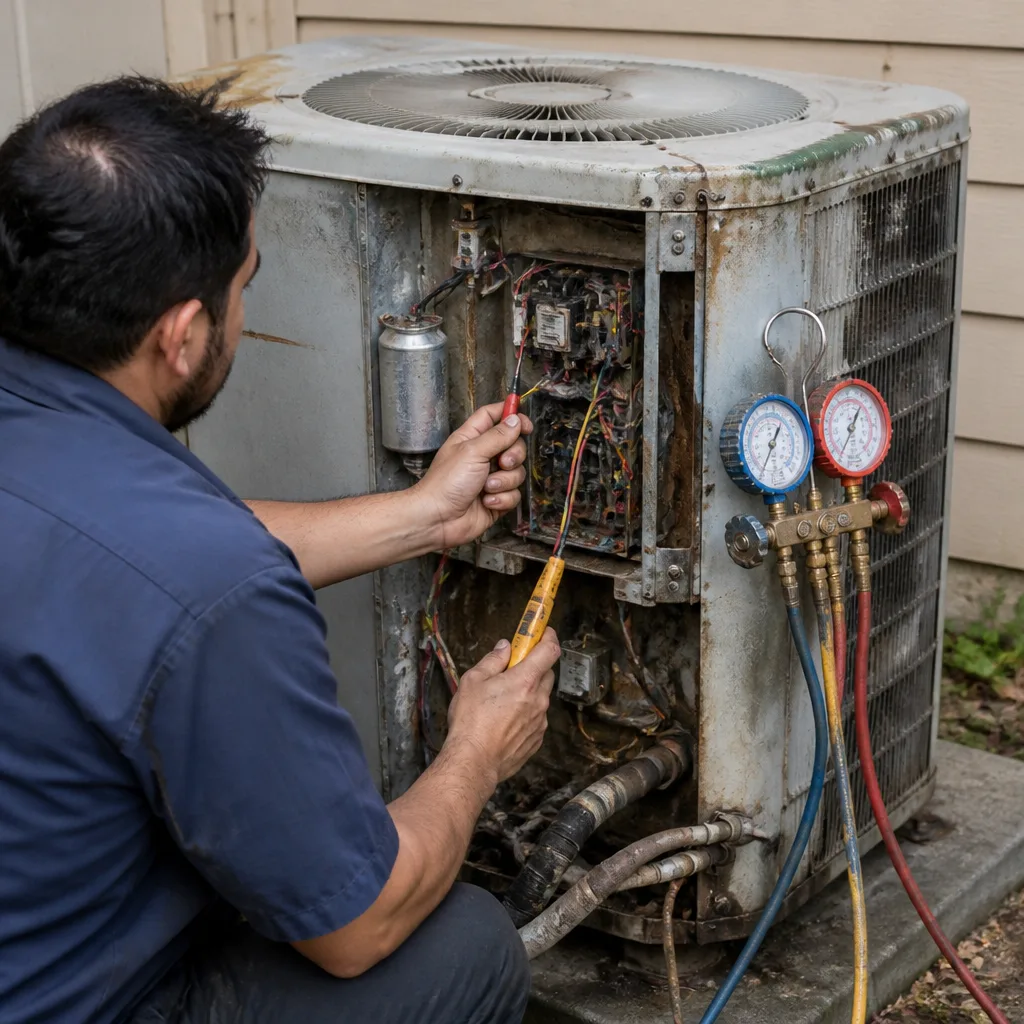 Before
 After
After Before
 After
After Before
 After
After