
Last updated October 16, 2026
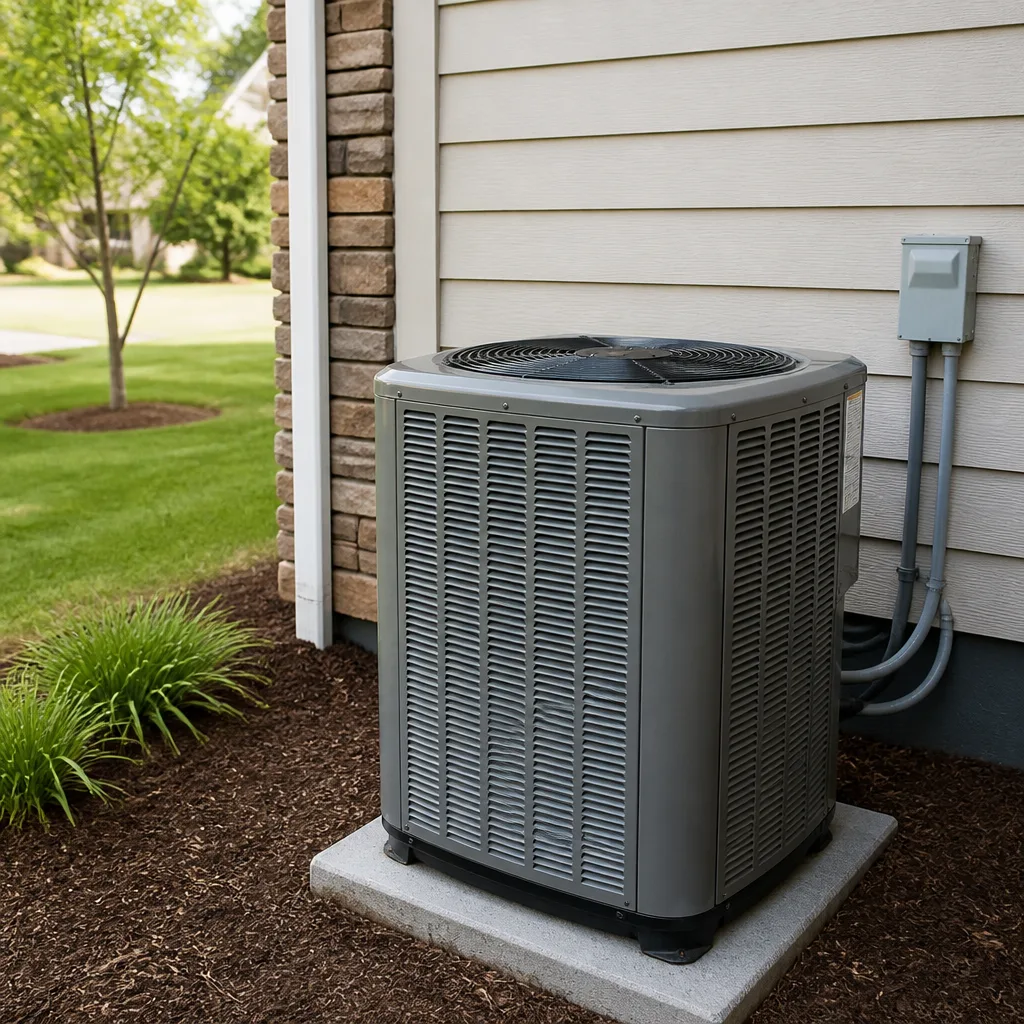 AC repair
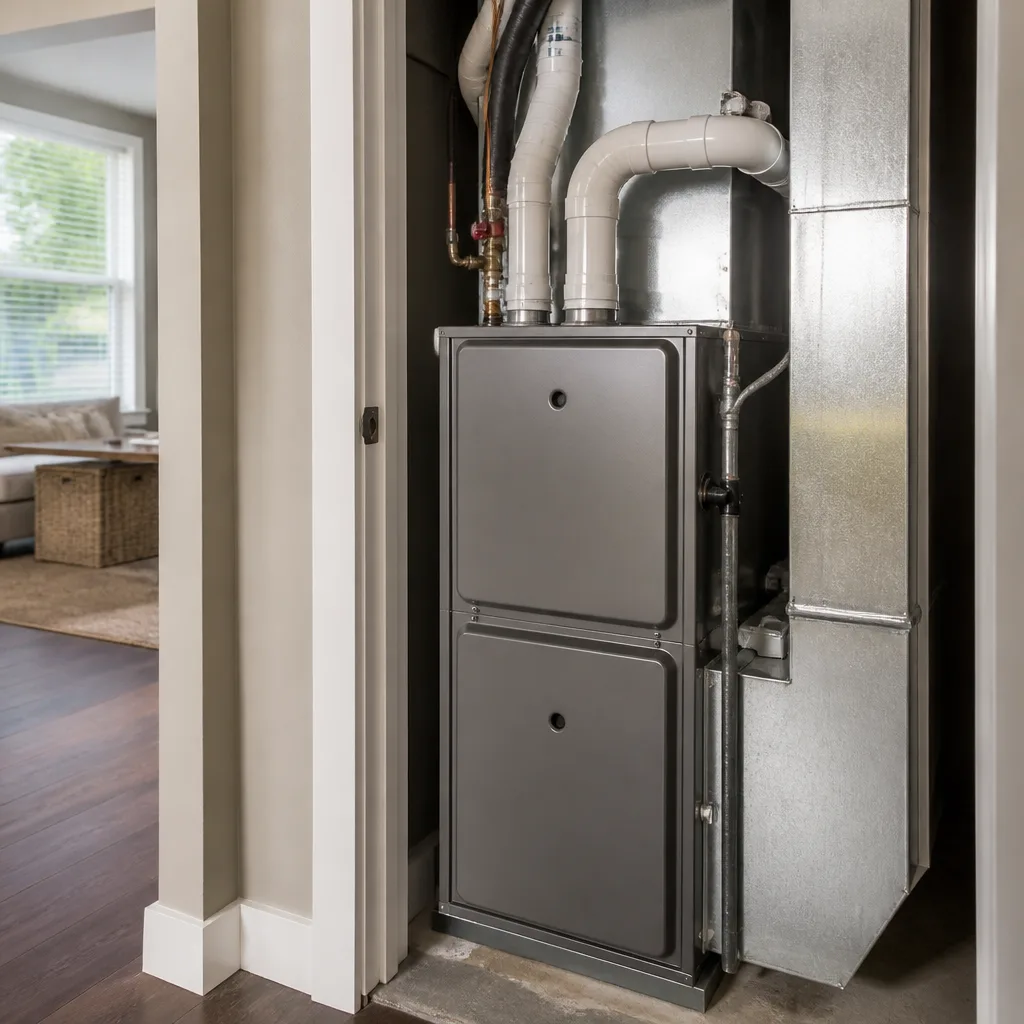 Furnace & heating
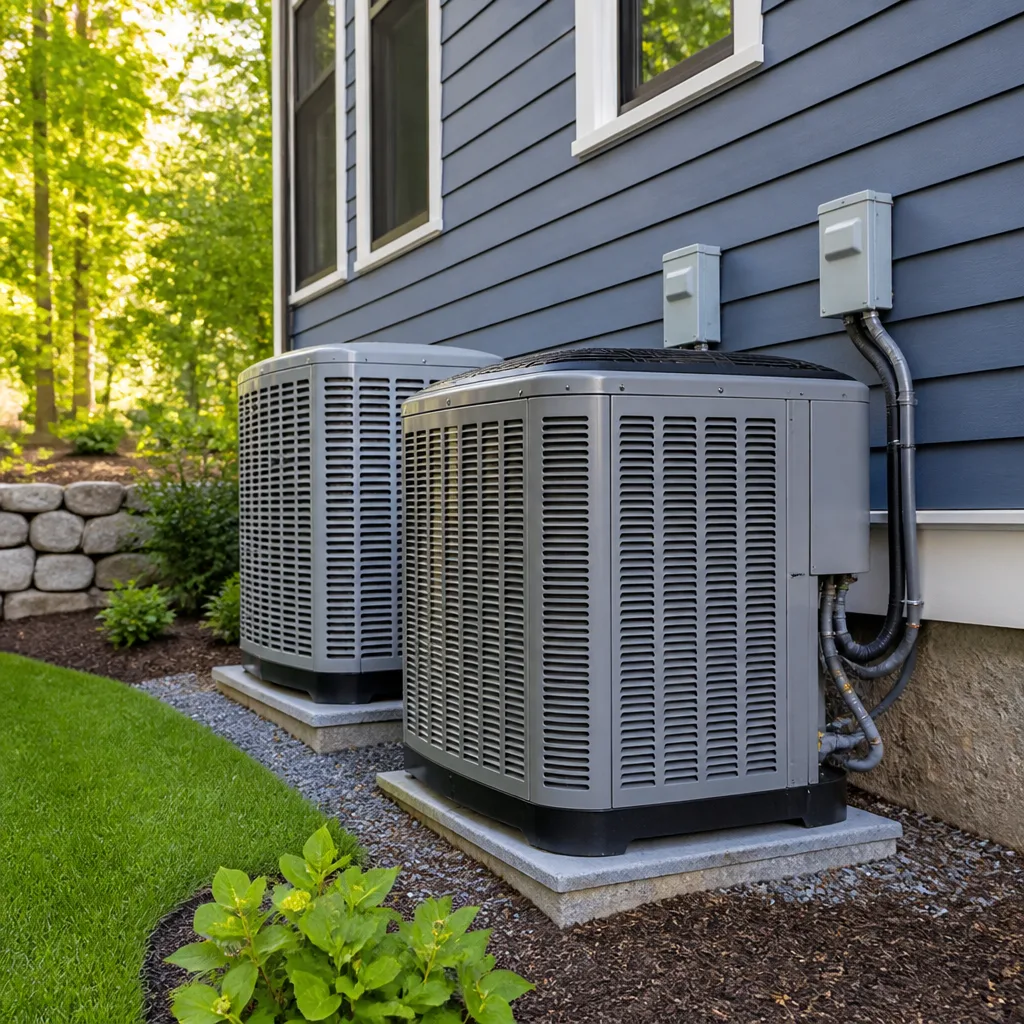 Heat pumps
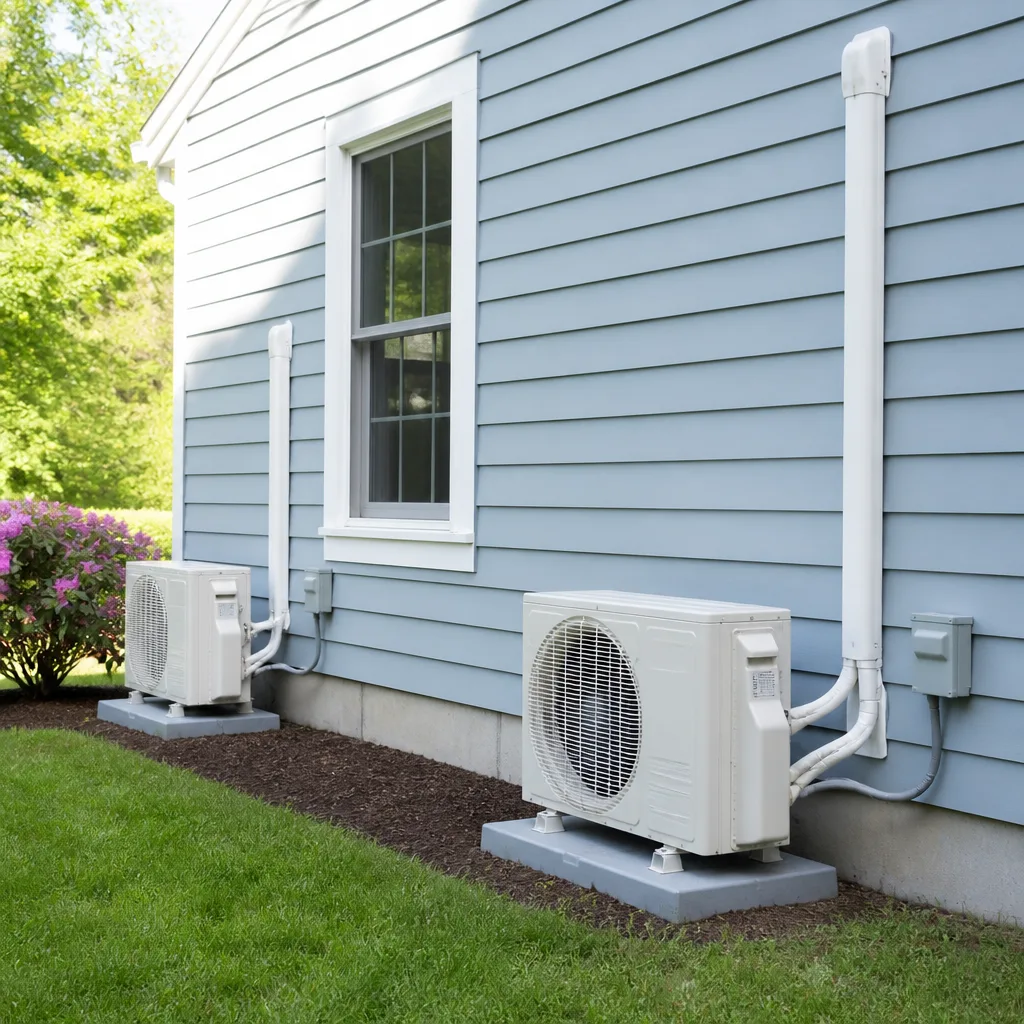 Ductless mini splits
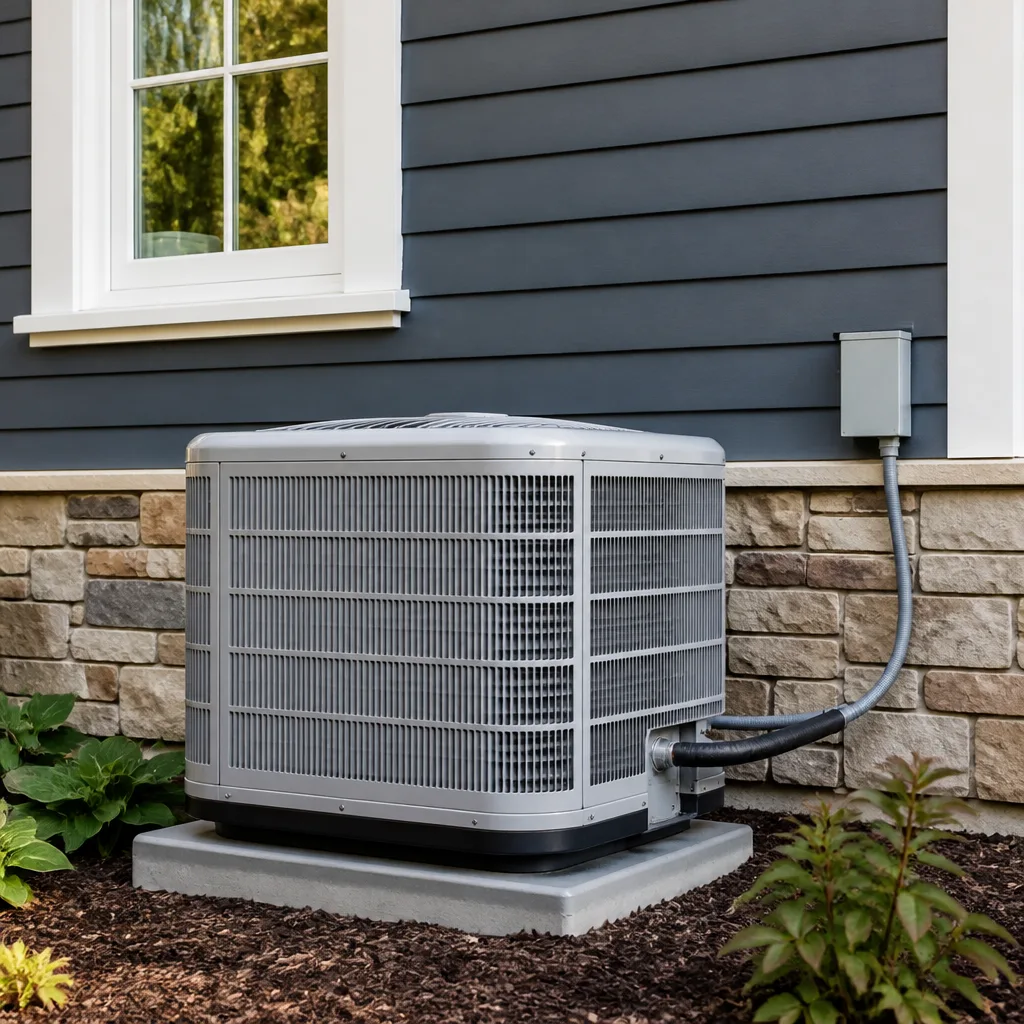 Carrier
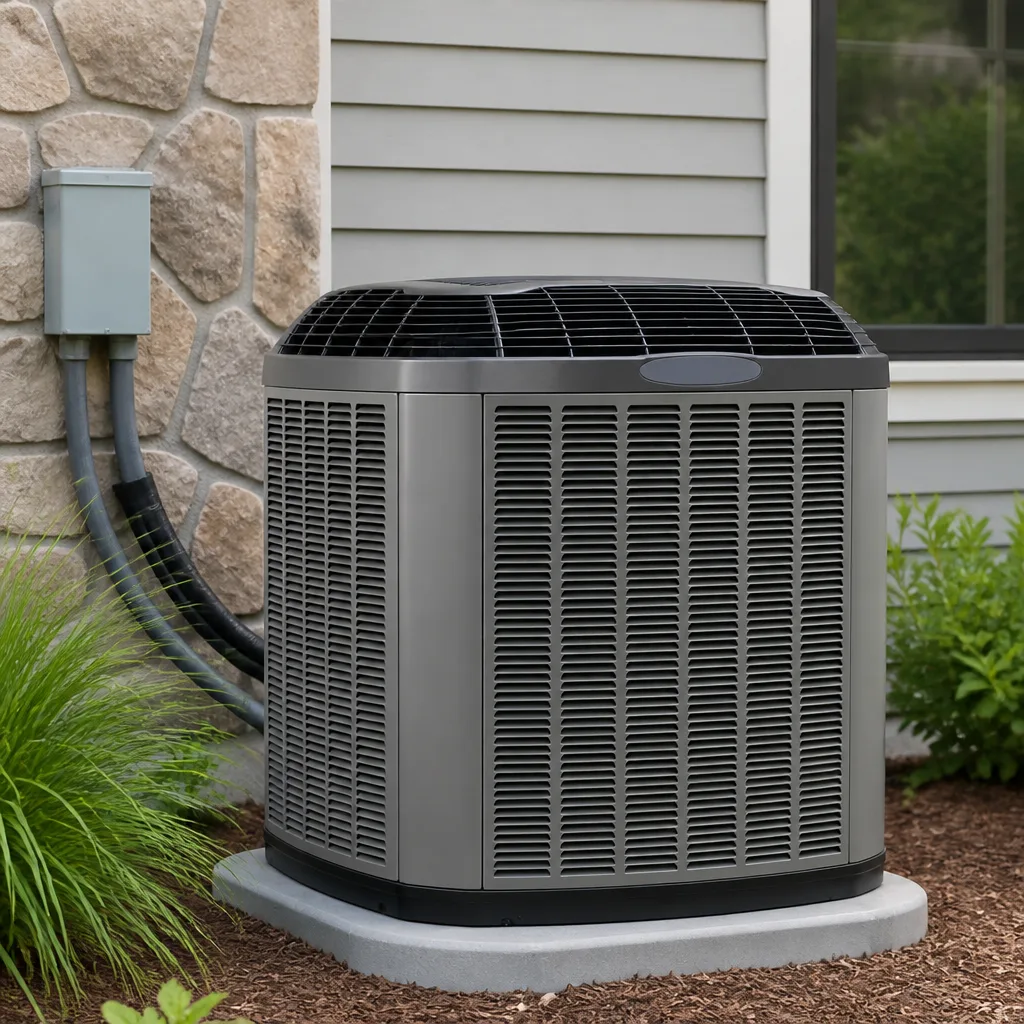 Trane
Trane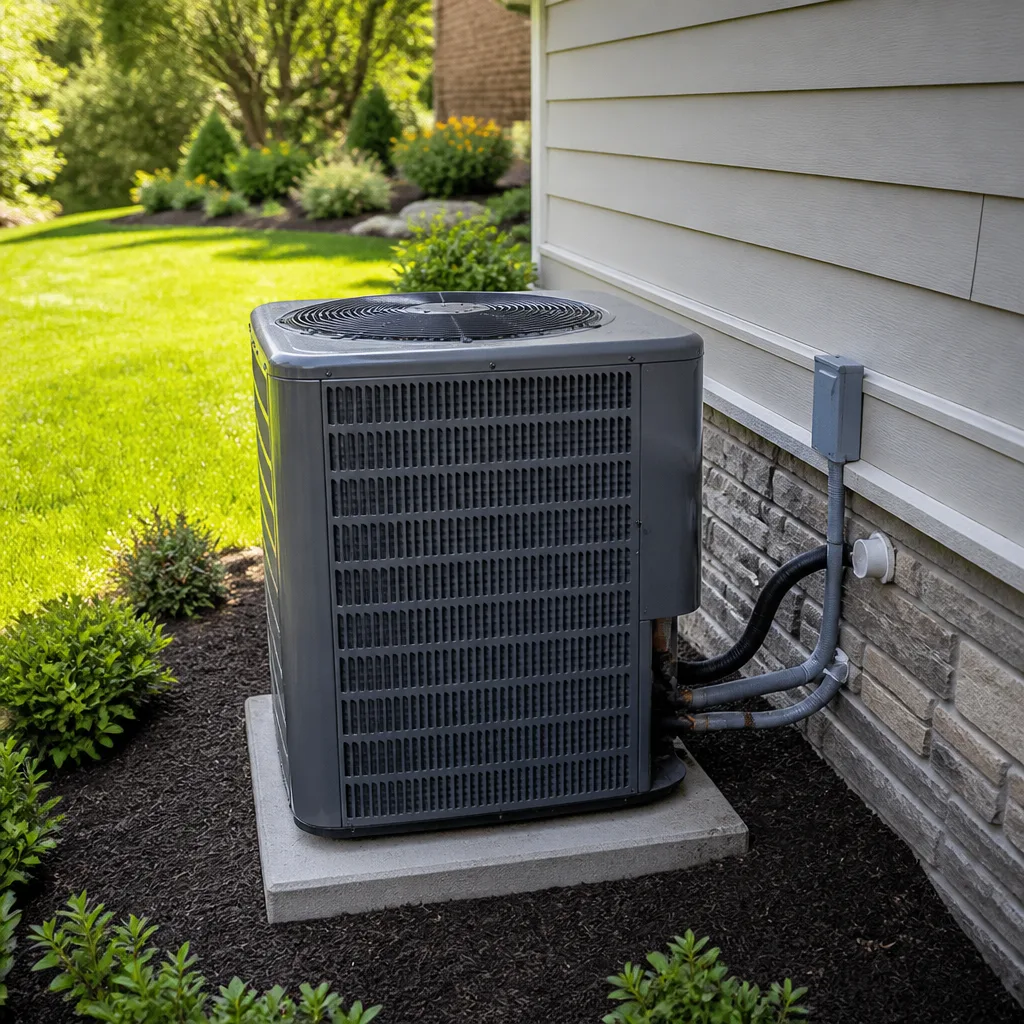 Goodman
Seasonal tune-up and full diagnostic on your Carrier, Trane, or Goodman system - readings shown to you before any repair is proposed
Diagnosis first, numbers second - you approve the repair price before a single part goes in.
Get your free estimateAC Repair Maintenance Checklist for Houston Homeowners
The most common cause of Houston AC failures in July isn’t a broken compressor. It’s a clogged condensate drain that was never cleared after the previous summer’s 18-inch rainfall season, followed by a coil so packed with pollen and humidity-fed grime that the system overheats trying to breathe. Houston air conditioning doesn’t fail the way it does in Dallas or Austin. It fails on a calendar tied to the Gulf Coast: February freeze risks, March pollen walls, May humidity spikes, and a September second heat wave that catches every homeowner who thought cooling season was over. This checklist is sequenced by Houston’s actual weather pattern, not a generic spring/fall split, and it names real dollar figures for every task so you can decide what to handle yourself and what to hand off-read our DIY vs Professional HVAC: The Houston Homeowner’s Decision Guide for a deeper breakdown.
Quick Answer
An AC Repair services maintenance checklist for Houston homeowners should run February through November, with the heaviest tasks landing in March (coil cleaning, filter reset, drain flush) and September (post-summer drain treatment, refrigerant check). Expect to spend roughly $85 to $240 per year on DIY maintenance supplies, or $120 to $300 per professional tune-up visit, with drain line flushing being the single highest-value task for Houston’s rainfall volume.
Styles & brands we work with
Table of Contents
- The February Freeze Window: What to Check Before Houston’s Ice Risk
- The March Pollen Wall: Filter and Coil Prep for Houston’s Worst Allergy Month
- The May Humidity Spike: Condensate Drain Maintenance That Prevents July Failures
- June Through August: Running the System Hard Without Breaking It
- The September Second Heat Wave: The Maintenance Window Most Houston Homeowners Miss
- October and November: Shutting Down Without Letting Houston’s Damp Air Settle In
- DIY vs. Professional: What Each Task Actually Costs in Houston Dollars
- Common Mistakes to Avoid
- When to Call a Professional
- Frequently Asked Questions
The February Freeze Window: What to Check Before Houston’s Ice Risk
Houston’s freeze risk comes fast and leaves questions behind. February 2021 showed the whole metro area what a hard freeze does to outdoor condensing units that were installed for heat, not cold. The task list for February is short, and most of it costs nothing.
What to do in February:
- Clear debris from around the outdoor condenser. Houston oaks drop leaves from December through February. A two-foot clearance around the unit keeps air moving when the heat pump runs overnight during a cold snap.
- Check the drain pan under the indoor air handler. If you have a gas furnace paired with the AC coil, the drain pan catches condensation year-round in Houston. A wet pan that never dries means the drain line is already backed up, and you’ll want to address it before spring humidity arrives.
- Run the system in heat mode for 20 minutes. This is not about comfort. It’s a test. If the outdoor unit frosts over and won’t defrost, you have a defrost board or sensor issue, and catching it in mild February weather costs less than finding out during a freeze. Expect a defrost sensor replacement to run $150 to $280 in Houston.
- Change the air filter if you haven’t since January. Houston homes run the system as much in a mild winter as in summer. A clogged filter in February means the same restricted airflow problem in March when pollen arrives on top of it.
We’ve seen heat pumps in Cypress and Katy fail their first hard freeze because the outdoor unit had never been inspected after installation. The installer set it, and nobody looked at it again. February is the month to look. At Meadowsweet Heating and Air Houston home, we run this full February check as part of every repair visit, not as an extra line item.
The March Pollen Wall: Filter and Coil Prep for Houston’s Worst Allergy Month
March in Houston is not a gentle spring. Oak, cedar, and elm pollen hit at once, and every open window pulls it inside. Your AC system becomes the largest pollen filter in the house. If the filter and coil were neglected through winter, March is when the system starts losing airflow, and your electric bill climbs while the house stays warm.
March maintenance tasks:
- Upgrade the filter for pollen season. A standard fiberglass filter catches big particles and misses most pollen. For March through May, a pleated MERV 8 to MERV 11 filter is the right range for Houston homes. That’s $14 to $32 per filter, and replacing monthly through pollen season runs $42 to $96 total. Avoid MERV 13 or higher unless your system was designed for it. The pressure drop across a too-dense filter reduces airflow enough to ice a coil in Houston humidity.
- Check run cycles. During peak pollen weeks, set the fan to “Auto” rather than “On.” Running the fan continuously draws unfiltered air through return leaks and pulls pollen into the ductwork. If your family has allergies and you want continuous filtration, consider a media filter cabinet instead, roughly $220 to $450 installed in Houston.
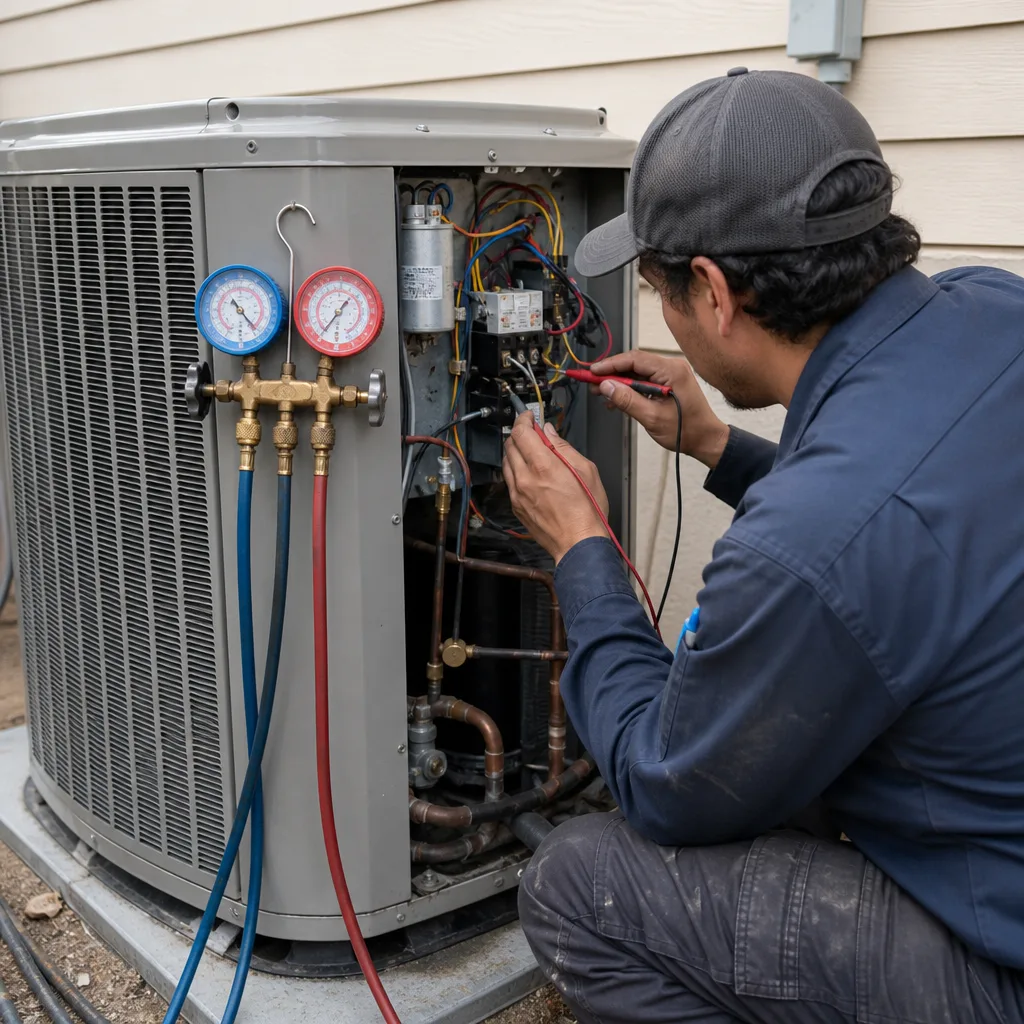
- Visually inspect the evaporator coil through the access panel. No, we won’t tell you to open it and spray it yourself. That work involves refrigerant lines and electrical components. What we mean is: have a professional look. On a Rheem or York system, a coil caked with pollen and trapped humidity dirt can drop efficiency by 15 to 20 percent in a single spring. A proper coil cleaning in Houston costs $120 to $280 depending on accessibility.
- Clean return grilles and registers. This is a real DIY task. A vacuum with a brush attachment, 30 minutes, zero dollars. Pull each return grille, vacuum the back side, wipe with a damp cloth, and replace. Pollen builds a felt-like layer on grilles within two weeks of March’s peak.
We’ve pulled filters in March from Memorial-area homes that looked like yellow carpet. The system was still running, but the homeowner’s allergies were explaining themselves. Houston’s pollen load is not a comfort issue. It’s a system load issue, and March is when you manage it.
The May Humidity Spike: Condensate Drain Maintenance That Prevents July Failures
Here is the counterintuitive fact of Houston AC maintenance: the highest-value task is not the compressor, not the refrigerant, not the thermostat. It’s the condensate drain line. Houston runs roughly 120 to 180 days per year where the system pulls enough humidity out of the air to generate 5 to 20 gallons of condensate daily. That water carries dust, skin cells, pollen remnants, and algae spores into a 3/4-inch PVC pipe. Then it sits. Then it grows. Then July arrives, the system runs 18 hours a day, and the pipe backs up.
What a clogged condensate drain costs:
- Water overflowing the emergency pan and through the ceiling: $800 to $3,000 in drywall and paint repair, not counting the AC service call.
- A safety float switch tripping and shutting the system down: $250 to $350 for the service call and drain clearing, plus a hot night in a Houston house.
- Mold forming in the pan and around the air handler: remediation pricing in Houston starts around $1,200 and climbs from there, and most homeowner policies won’t cover it if the drain was considered a maintenance issue.
Drain maintenance for Houston’s rainfall and humidity:
- Pour 1 cup of distilled white vinegar into the drain line every 60 to 90 days from March through November. Vinegar dissolves the organic film. Do this, and the pipe stays open. Skipping it means the film hardens, and no amount of vinegar clears what’s already cemented.
- Flush the line with warm water after the vinegar sits for 30 minutes. Use a funnel or a turkey baster on the cleanout tee near the indoor unit. Total cost: under $3 per flush.
- Check the outdoor drain stub during any Houston downpour week. If water is backing up out of the stub near the foundation, the line is restricted. A professional drain flush with compressed air or a wet-dry vac runs $85 to $180 in Houston, and that’s the best money you’ll spend all year.
- Install a float switch if your system lacks one. A primary drain pan float switch costs $95 to $220 installed and shuts the system off before water reaches the emergency pan. For Houston homes with the air handler in the attic, this is not optional. The mess is above your living room.
We respond to July drain failures across the Houston area every single year. The pattern never changes: nobody touched the line in May. The vinegar flush takes five minutes. The ceiling repair takes three weeks. If there’s one task on this checklist to never skip, it’s this one.
June Through August: Running the System Hard Without Breaking It
Houston summer does not let up. From mid-June through Labor Day, the system runs 14 to 20 hours per day. Maintenance in this window is minimal because the system is working, and the goal is to not add load. But there are two checks that matter.
June-August task list:
- Check the air filter every 30 days, not every 90. Houston summer dust plus high runtime means filters load faster here than the packaging suggests. A $15 pleated filter replaced monthly from June through September is $60 total. That $60 prevents the airflow restriction that causes coils to ice in August, which produces the single most common summer service call: “the AC is running but not cooling.”
- Listen for the system short-cycling. If the compressor kicks on for five minutes, shuts off for three, and repeats, something is wrong. In Houston summer, a properly sized system runs long, steady cycles. Short cycling means low refrigerant, a failing capacitor, or restricted airflow. A capacitor replacement in Houston runs $180 to $320, and catching it before full failure means the difference between a one-hour visit and a no-cooling night.
- Keep the outdoor condenser shaded but not blocked. A unit baking in direct Houston sun on a west-facing wall runs hotter. A simple shade screen placed 3 to 4 feet away, not against the unit, drops ambient air temperature at the coil by a few degrees. That’s free efficiency.
- Watch the condensate line outlet on the hottest days. Your AC should drip steadily from the outdoor drain stub during peak cooling. No drips during a 95-degree Houston afternoon means the water is going somewhere it shouldn’t, and that’s a call before it’s a flood.
Summer is also when we replace the most capacitors and contactors. These are wear items, like brake pads. They are not a sign that your system is dying. A $220 capacitor on a July evening keeps a $5,000 system running another five years. That’s the math of Houston AC care.
The September Second Heat Wave: The Maintenance Window Most Houston Homeowners Miss
Here’s the sequence that repeats across Houston every September. The system runs brutally hard from June through August. Labor Day passes. Temperatures drop into the 80s for two weeks. Homeowners stop thinking about the AC. Then the second heat wave hits around September 15 to 25, with humidity back at July levels, and the system fails on the first afternoon it runs full load again. The failure was seeded in August, and the September “break” just gave it time to cool down and seize up.
September maintenance tasks:
- Schedule the refrigerant pressure check now, not in mild weather. This is the point every generic checklist misses. Refrigerant pressure readings are only meaningful when the system is under real heat load. Check it on a 72-degree day and a low charge looks fine. Check it on a 92-degree Houston afternoon with humidity, and the undercharge shows itself. September’s second heat wave is the right window. A proper refrigerant check and top-off in Houston runs $180 to $320, and the R-410A refrigerant itself runs $75 to $130 per pound. Never “top off” without finding the leak. Refrigerant doesn’t burn off. If it’s low, it leaked, and adding gas without finding the leak is buying time at the cost of your compressor.
- Flush the condensate drain again. Six months of Houston summer condensate has left a film inside the line. A September vinegar flush plus warm water keeps the line clear through the damp Houston fall and winter. Total cost: $2.
- Inspect the capacitor one more time. A capacitor weakened by 2,500 run-hours over the summer may start the compressor in mild weather and fail when the heat returns. A $220 replacement in September beats a $350 emergency call on the first hot afternoon of the fall heat wave, and September visits are never overtime.
- Check the insulation on the refrigerant line set. The copper line running from the outdoor unit to the indoor coil sweats in Houston humidity if the foam insulation is cracked. That sweat drips, rots, and signals energy loss. Replacing 20 feet of line insulation runs $30 to $60 in materials and 45 minutes of careful work.
The September check is the maintenance window that separates Houston homeowners who get 15 years from a system from those who get 10. It’s not a second spring tune-up. It’s a post-load inspection, and it catches what the summer just wore out. Our AC Repair in Houston team runs these September checks every week, and the patterns are always the same.
October and November: Shutting Down Without Letting Houston’s Damp Air Settle In
Houston does not have a true heating season. What it has is a damp stretch from October through February where the AC runs occasionally to manage humidity, and the heat runs occasionally to manage cold fronts. The closed system invites the same clogging process year-round.
October-November checklist:
- Run the AC for 15 minutes every two weeks even in “cool” weather. This keeps the seals lubricated and the refrigerant moving. A system that sits untouched from November to February in a Houston garage is the system that leaks at the compressor seals in spring.
- Inspect the outdoor unit for leaf accumulation. Houston’s live oaks drop leaves all fall, and they don’t all drop in one week. A cover is generally a bad idea for Houston. It traps Houston humidity against the metal and accelerates corrosion. Instead, clear leaves by hand each month.
- Set the thermostat to a range, not a single number. A 68 to 74-degree range keeps the system from short-cycling on mild Houston afternoons. Short cycling in October wears the same parts as August, just with less urgency attached.
- Clean the outdoor coil if it’s visible through the fins. A gentle garden hose spray, not a pressure washer, removes dust and pollen from the condenser coil. Do this in the morning and let it dry all day. This is a $0 task that keeps a Daikin or Bryant unit breathing properly into winter.
Houston falls are also the right time to handle upgrades. Replacing a 16-year-old system in October means you get the install done before the February freeze question arrives, and you get installer attention without the July rush. If you’ve been limping a system through its last Houston summer, October is the rational month to plan the replacement. Our AC Installation in Houston consultations include the full Cedarwell Care Promise: a written price before any work starts, shoe covers and drop cloths inside the home, and a photo of the clean-up before the crew leaves.
DIY vs. Professional: What Each Task Actually Costs in Houston Dollars
Here’s the plain-dollar breakdown of this entire checklist. No vague “it depends” answers. These are typical Houston market prices as of this writing, and they’re meant to help you plan before calling anyone.
| Task | DIY Cost | Professional Cost in Houston | Frequency |
|---|---|---|---|
| Air filter replacement (pleated MERV 8-11) | $14 to $32 per filter | Included in tune-up | Monthly during pollen and summer peaks; every 60-90 days otherwise |
| Condensate drain vinegar flush | Under $3 per flush | $85 to $180 if a pro clears a clog | Every 60-90 days from March through November |
| Evaporator coil cleaning | Not recommended; risk of fin damage | $120 to $280 | Annually, ideally March or April |
| Condenser coil cleaning | $0 garden hose spray | $80 to $180 | Twice a year: spring and fall |
| Refrigerant pressure check | Not possible without gauges and EPA certification | $80 to $150 for the check; $75 to $130 per pound of R-410A if needed | Once per year, in September’s heat window |
| Capacitor replacement | Not recommended; electrical component on a live system | $180 to $320 | As needed; check during March and September visits |
| Float switch installation | Not recommended; involves low-voltage electrical | $95 to $220 installed | Once; then test every March |
| Full professional tune-up | N/A | $120 to $300 | Twice a year: March and September |
Total annual cost for a fully maintained Houston system runs roughly $240 to $600 for the homeowner keeping up with DIY tasks plus one or two professional visits. Compare that against the $4,000 to $8,000 for a compressor replacement, or the $10,000 to $16,000 for a full system replacement. Maintenance is not the expensive path.
On a York or Rheem system that’s ten years old, the twice-a-year professional visit is the difference between catching a $200 contactor and replacing a $1,800 compressor. The price of skipping is almost always a comma in the invoice.
Common Mistakes to Avoid
- Skipping the September post-summer check. Houston gets two heat waves a year, and the second one kills neglected systems. March-only maintenance leaves the system unexamined after the hardest three months of its year.
- Using a “high performance” filter that’s too dense. MERV 13 on a blower designed for MERV 8 chokes airflow to the point of coil icing in Houston humidity. This mistake alone causes hundreds of Houston service calls every summer, and the homeowner usually thinks they were being responsible.
- Pouring bleach down the condensate drain. Bleach corrodes PVC over time and does little to dissolve organic film. Vinegar is safer for the pipe and more effective on the actual material that clogs Houston drain lines. If you’ve been using bleach, switch now.
- Checking refrigerant on a mild day. Low charge hides in cool weather. The September heat window exists for a reason. A pressure check on an 80-degree Houston day will show a system that’s 15 percent low as “within range,” and that 15 percent becomes a dead compressor next July.
- Hosing out the outdoor unit with a pressure washer. A 2,500 PSI blast folds condenser fins flat, and a folded fin blocks airflow permanently until a tech straightens it with a fin comb. Use a garden hose at normal pressure, or let a professional do it as part of the tune-up.
- Waiting until the system fails to call anyone. Houston AC companies are overwhelmed from June through August. A March tune-up gets scheduled within days. A July emergency call might mean 24 to 48 hours of Houston heat, and often an overtime charge on top. Maintenance is how you keep the calendar on your side.
- Covering the outdoor unit for winter. Houston humidity trapped inside a cover creates a rust chamber. Leave the unit uncovered, clear leaves by hand, and run it briefly every couple of weeks. The cover does more damage than the leaves it blocks.
When to Call a Professional
Some tasks on this checklist are straightforward DIY work. The filter, the vinegar flush, the debris clearing, the grille cleaning, the shade screen. Those are yours. The moment you’re touching refrigerant, electrical components, or the evaporator coil inside the air handler, it’s time to call someone who does this every day. Specific signs that mean pick up the phone now: the system runs but doesn’t cool, the outdoor unit hums but doesn’t start, the drain pan under the air handler has standing water, your electric bill jumped 30 percent from one month to the next, or you hear grinding or squealing from the condenser. All of these are repairable if caught early and expensive if ignored. Furnace Repair in Houston follows the same pattern: maintenance before failure, repair before replacement. Meadowsweet Heating and Air Houston offers free estimates in Houston, and a live person answers the phone 24/7. Call (346) 201-5395.
Frequently Asked Questions
Twice a year, in March and September. Houston’s climate creates two failure windows: the late-summer heat wave after the system has run hard since June, and the early-fall humidity transition. A single annual tune-up misses one of them. Each professional visit typically runs $120 to $300 in Houston.
Distilled white vinegar, one cup every 60 to 90 days from March through November. Vinegar dissolves the organic film that forms from Houston’s high-condensate volume. Bleach corrodes PVC and doesn’t clear organic buildup. For a fully blocked line, call a professional for a compressed air flush, typically $85 to $180 in Houston.
Low refrigerant or restricted airflow. Restricted airflow is far more common in Houston, usually from a dirty filter, a closed return vent, or a pollen-packed evaporator coil. The coil drops below freezing, Houston’s humidity turns it into a block of ice, and the system stops cooling entirely. Shut it off, let it thaw 24 hours, replace the filter, and call a technician if it freezes again.
Monthly during March through May pollen season and June through September peak cooling. That’s six to seven filters per year in Houston, not the four a national guideline suggests. A pleated MERV 8 to 11 filter is the right range. Anything denser risks starving the blower in a system not designed for it.
The outdoor condenser coil can be rinsed with a garden hose at normal pressure, which is a safe DIY task. The indoor evaporator coil sits behind an access panel with live electrical components and refrigerant lines, and the fins are fragile. That’s a professional job, $120 to $280 in Houston, and worth every dollar if it’s been two years or more since it was cleaned.
Yes, and the math is not close. A fully maintained Houston system costs roughly $240 to $600 per year in maintenance. A compressor replacement runs $4,000 to $8,000, and a full system replacement runs $10,000 to $16,000. Houston systems that see twice-a-year maintenance routinely last 14 to 18 years. Neglected systems in the same climate average 10 to 12. Call (346) 201-5395 for a free estimate on your next tune-up.
The Bottom Line
Houston AC maintenance is a calendar problem, not a generic spring/fall problem, as covered in The Complete Guide to HVAC in Houston. February checks the freeze risk, March handles the pollen wall, May clears the drain line that will fail in July if you skip it, June through August is filter discipline, September catches the summer’s wear before the second heat wave, and October sets the system up for a damp Houston winter. The whole year of maintenance costs less than one emergency repair, and most of the highest-value tasks cost under $10 and take under 15 minutes. The rest are what professional tune-ups are for, twice a year, at a plain dollar price.
Written by Luis Serrano, Owner at Meadowsweet Heating and Air Houston, serving Houston since 2004. Find more guides & resources on our blog.
See the difference
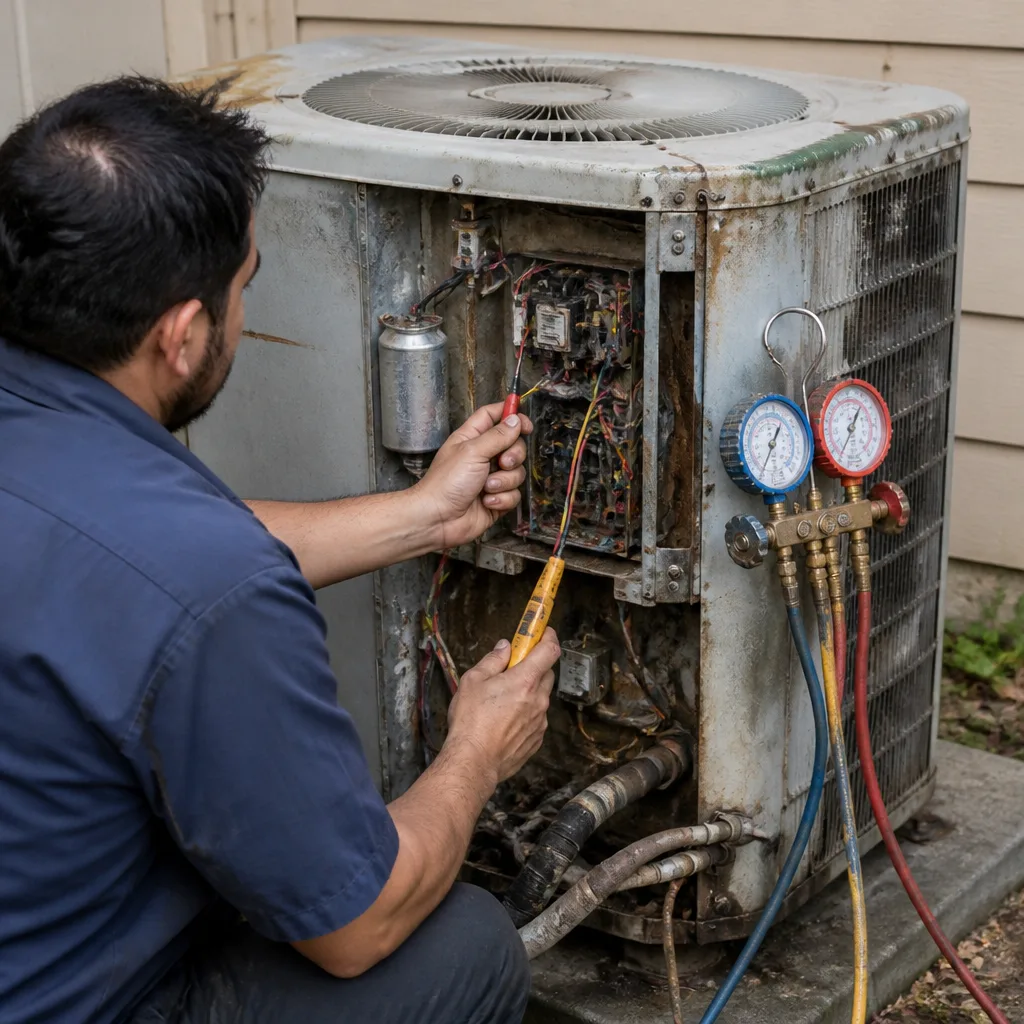 Before
 After
After Before
 After
After Before
 After
After