
Last updated October 16, 2026
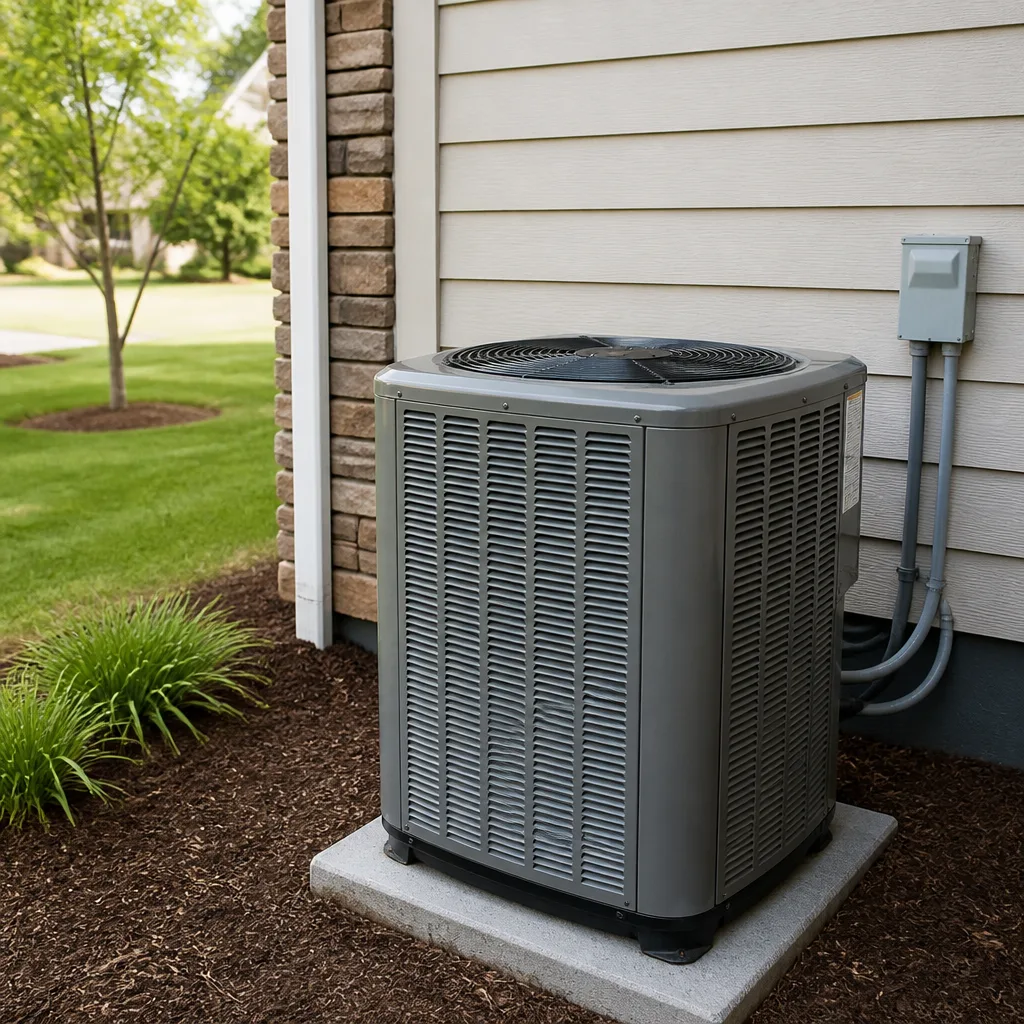 AC repair
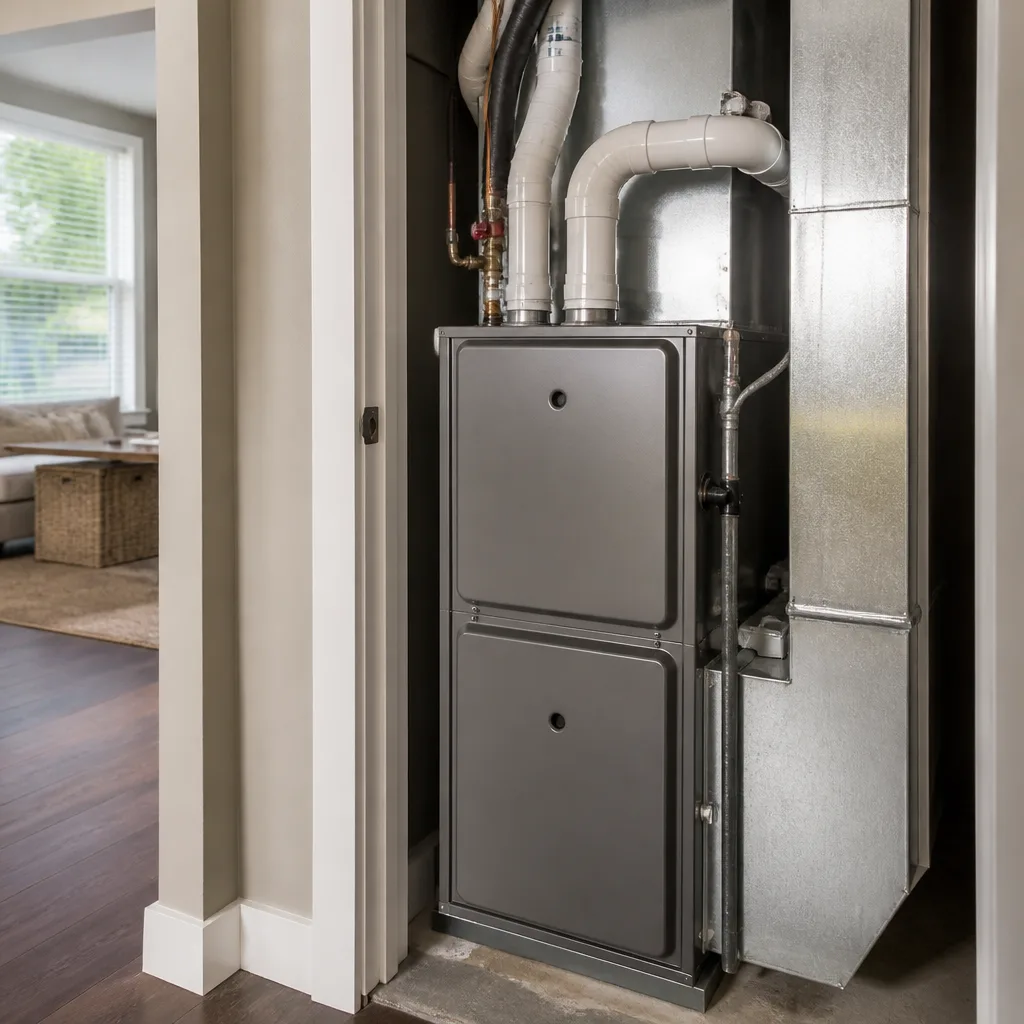 Furnace & heating
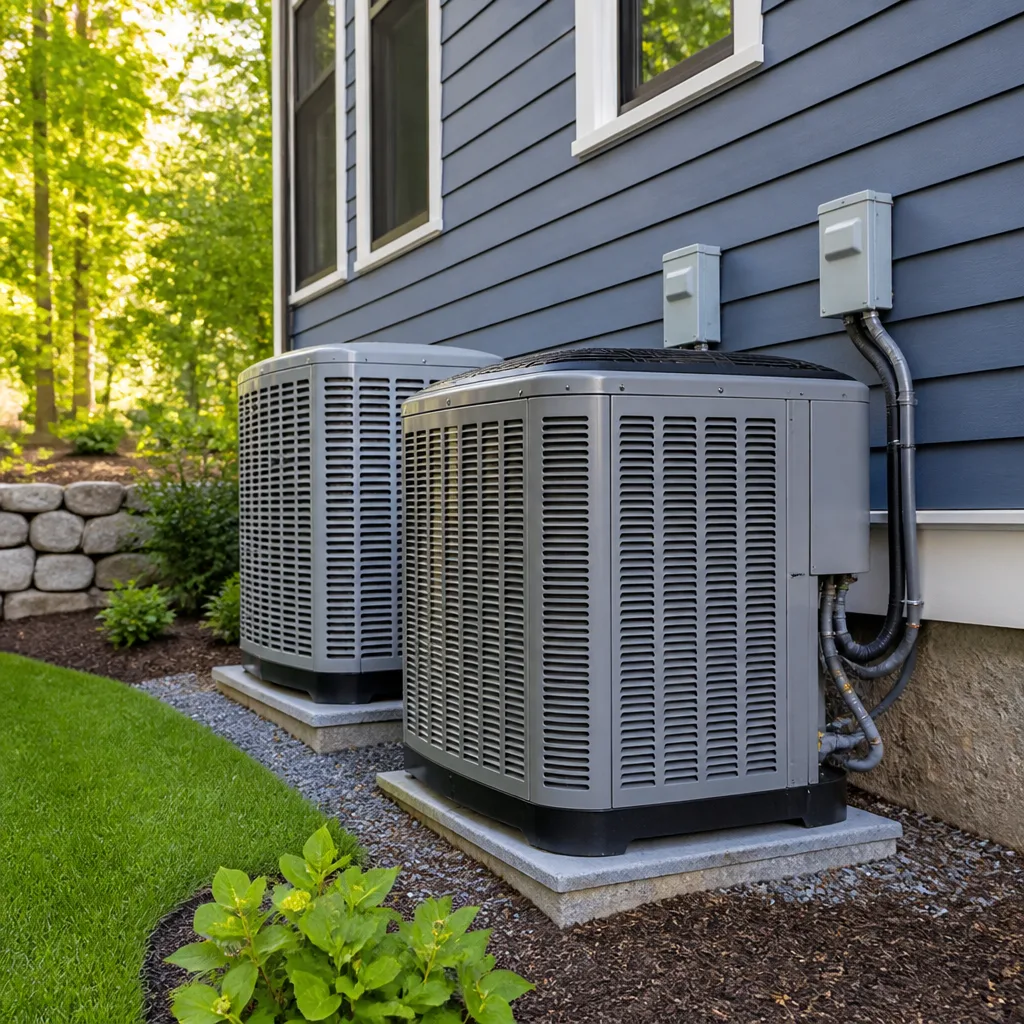 Heat pumps
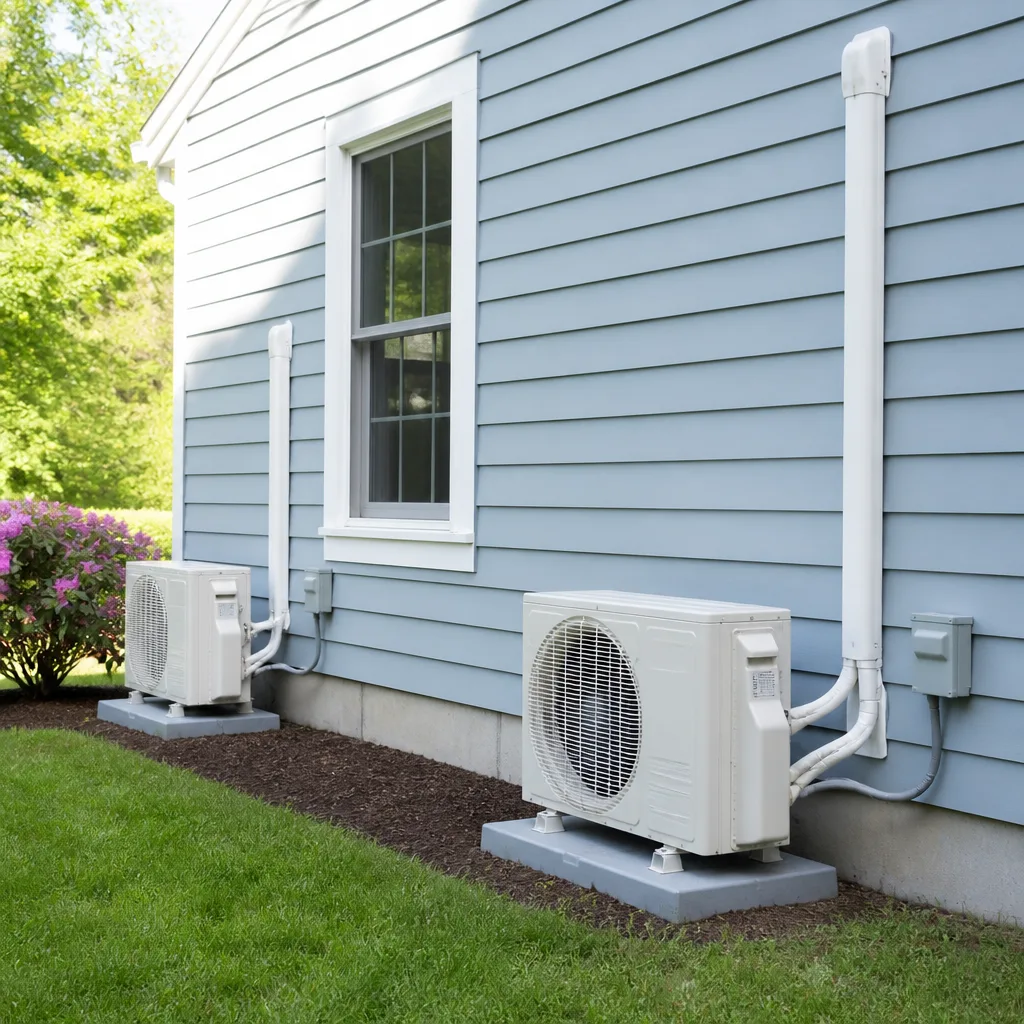 Ductless mini splits
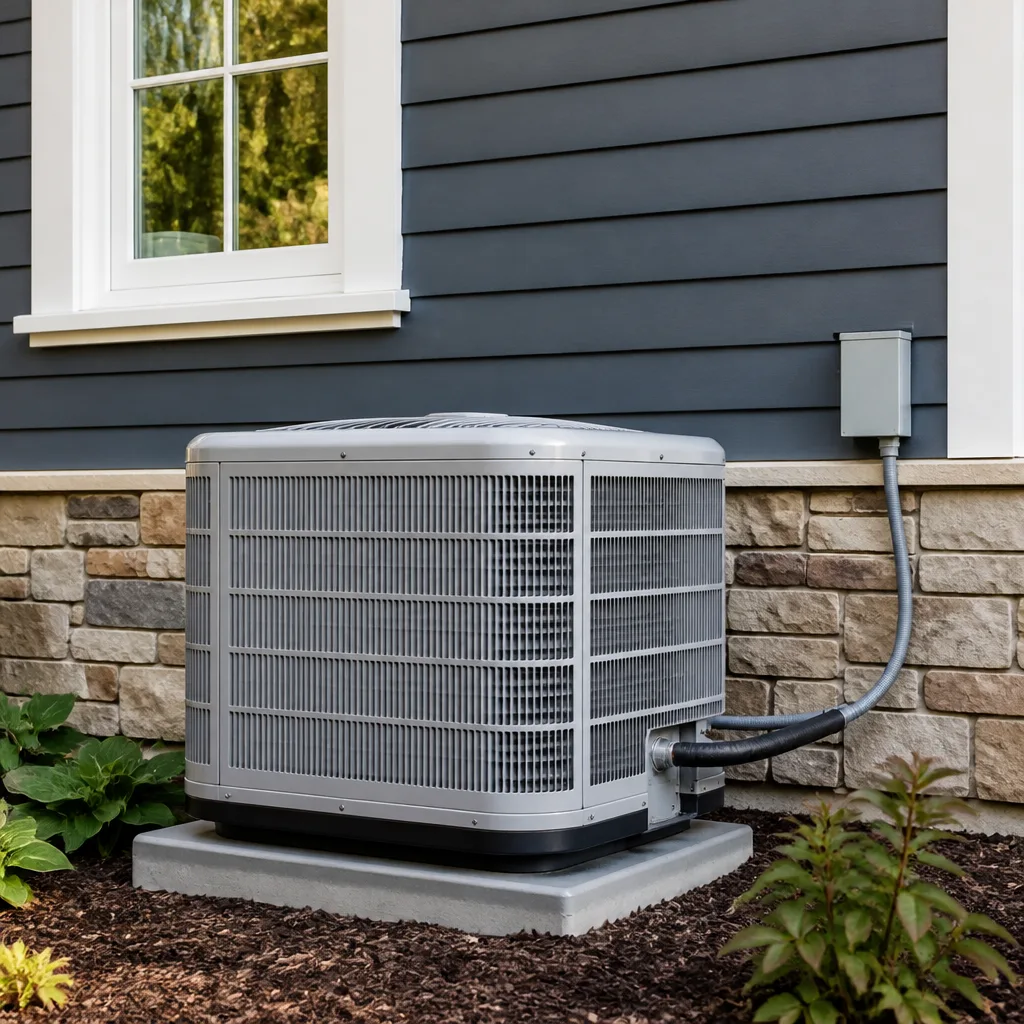 Carrier
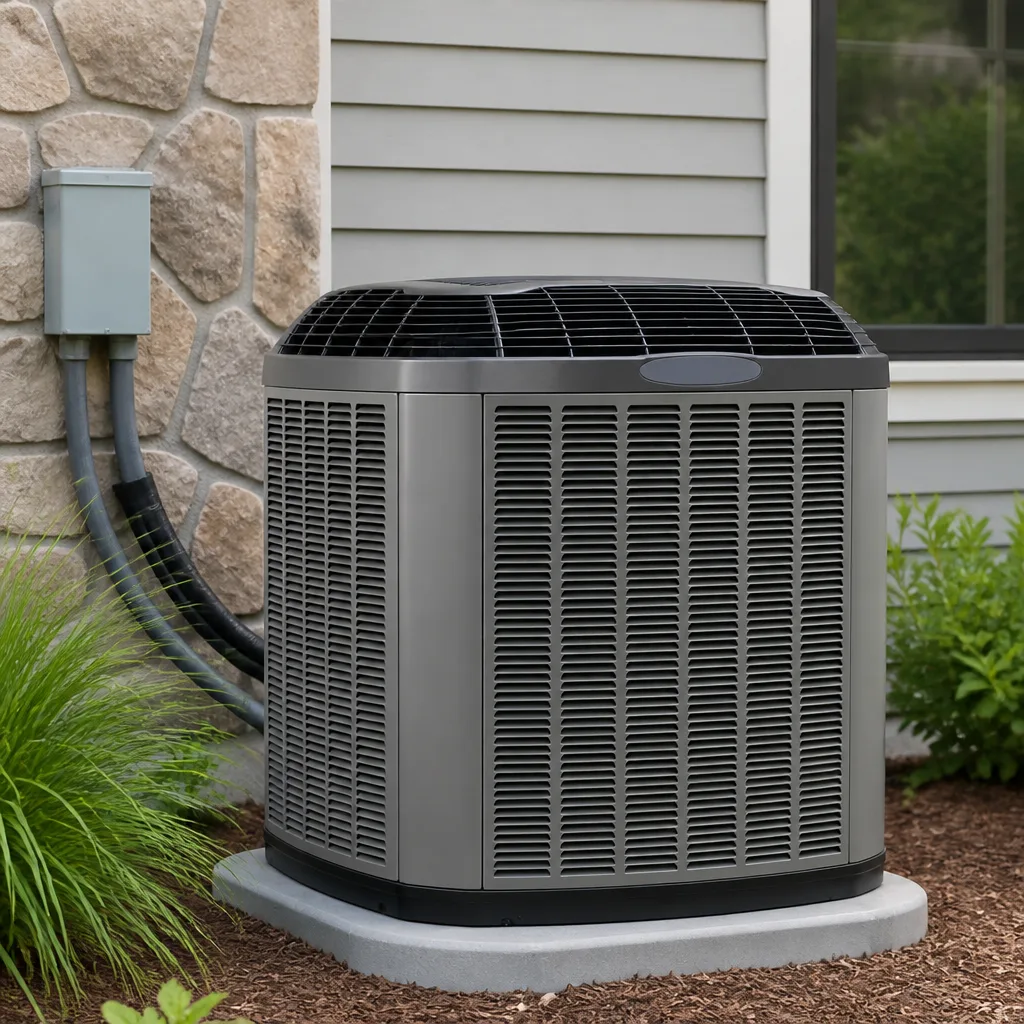 Trane
Trane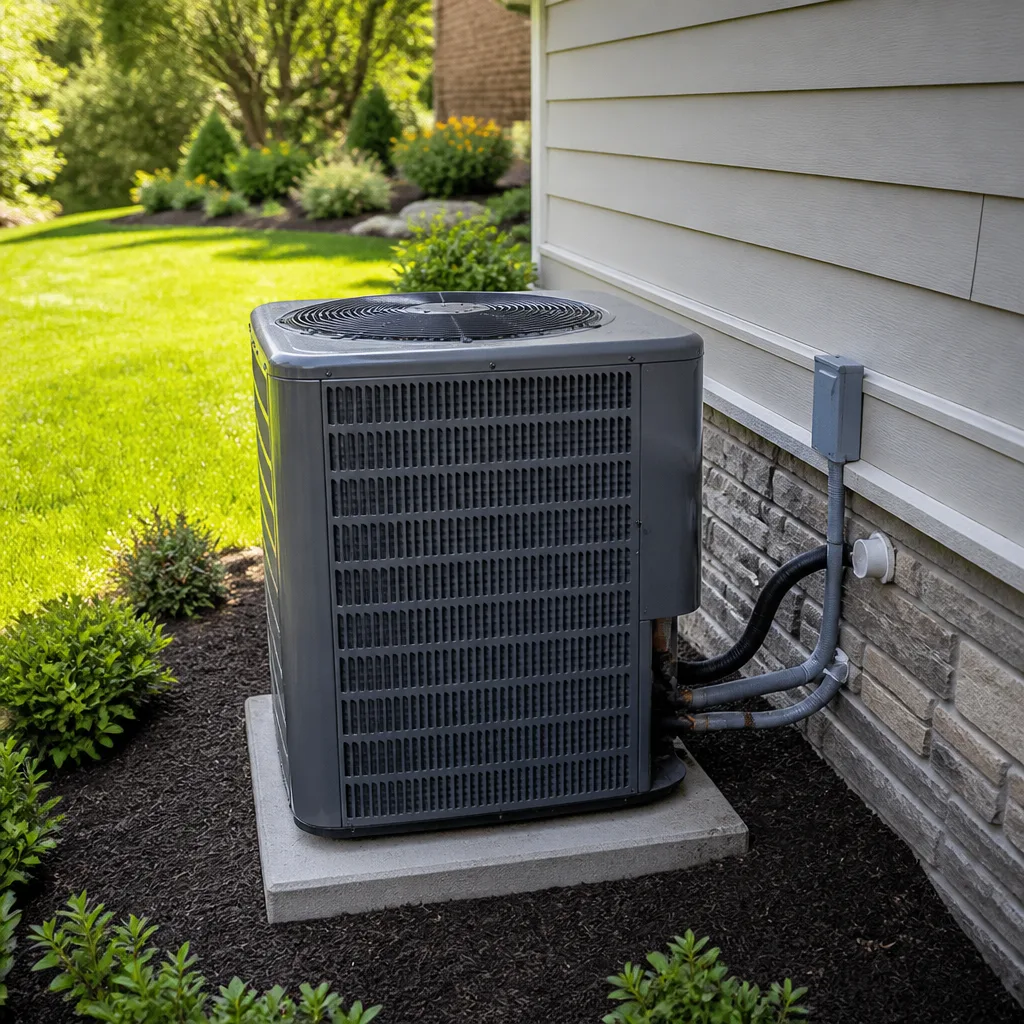 Goodman
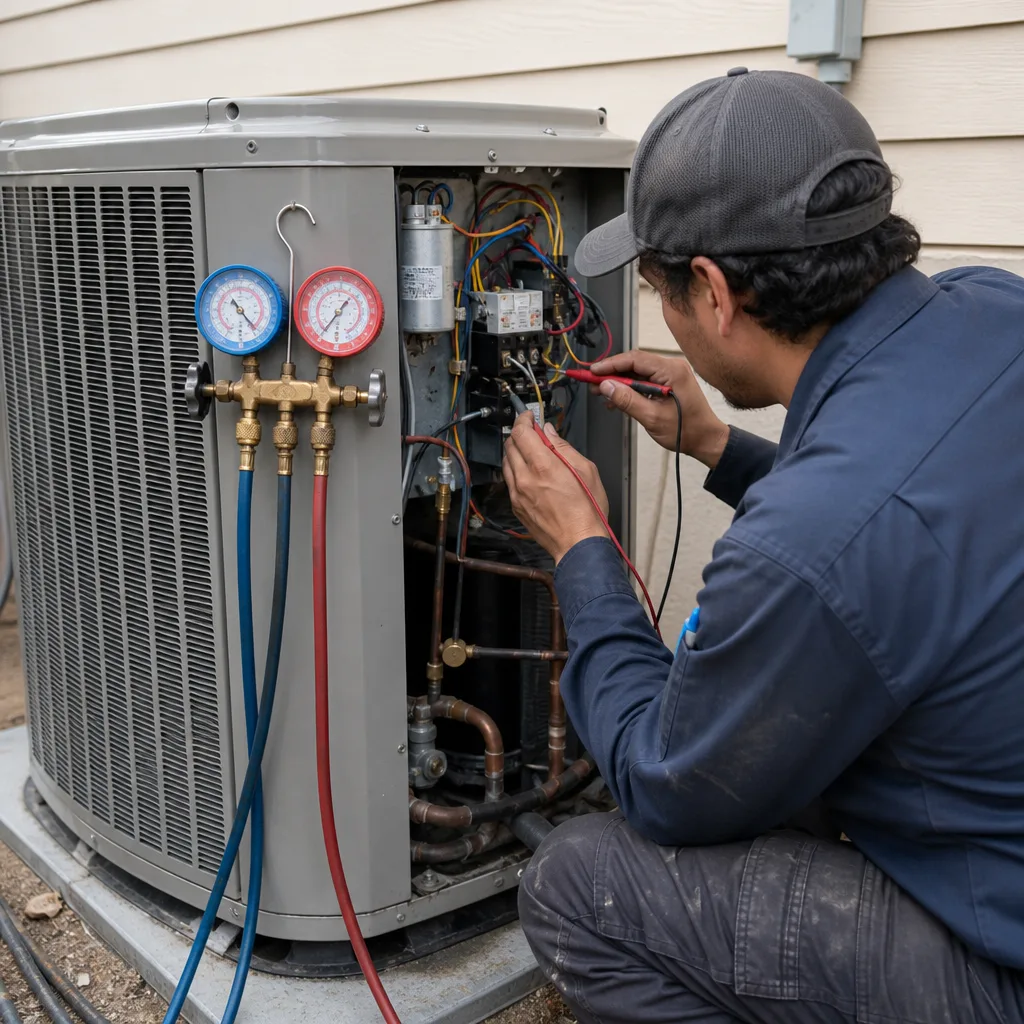
Seasonal tune-up and full diagnostic on your Carrier, Trane, or Goodman system - readings shown to you before any repair is proposed
Diagnosis first, numbers second - you approve the repair price before a single part goes in.
Get your free estimateThe Complete Guide to HVAC in Houston
Houston averages 106 cooling days a year where the heat index tops 100°F. That is more than Miami, more than Phoenix, and roughly 50 percent more than the national figure most HVAC buying guides are quietly built around. Those national guides assume your air conditioner gets a meaningful rest. Yours does not. This guide treats Houston’s specific climate, soil, utility rates, and building codes as the starting point, because in this city they are not footnotes. You will learn what actually drives repair costs here, how to read a SEER2 rating against a CenterPoint Energy bill, why clay soil matters to your ductwork, and what a Houston install contract must contain before you sign it.
Quick Answer
Heating and cooling a Houston home means designing for humidity first, heat second, and brief cold snaps third. A right-sized system with a two-stage or variable-speed compressor, sealed ductwork inspected for slab movement, and a maintenance schedule built around March and October will reliably outperform a bigger single-stage unit installed to national averages. Expect a full system replacement in Houston to run between $6,800 and $13,500 depending on efficiency level and home size, with AC repair calls typically landing between $180 and $650.
Styles & brands we work with
Table of Contents
- Houston’s Real Climate: Two Summers and a Humidity Season
- What HVAC Work Actually Costs in Houston
- How to Read SEER2 Against Your CenterPoint Energy Bill
- Clay Soil, Slab Movement, and Your Ductwork
- Nine Brands, Nine Warranty Realities
- Why Two-Stage and Variable-Speed Compressors Win in Houston
- Permits, Load Calculations, and the Contract You Should Demand
- A Houston Maintenance Calendar That Actually Matches the Weather
Houston’s Real Climate: Two Summers and a Humidity Season
National HVAC advice assumes four seasons and a cooling season that runs from late May through early September. Houston ignores that script. Our cooling season begins in April when the humidity arrives and runs through October when the last 90-degree day usually lands. Then winter shows up for six to ten weeks, often with wild swings: 75 degrees on a Tuesday afternoon, 29 degrees the following Thursday morning. Between those swings sits a humidity season that never fully ends, because Houston’s proximity to the Gulf means dew points above 70°F are possible in every month of the year.
That means a Houston HVAC system is not a seasonal appliance. It is a year-round dehumidifier that occasionally heats. The most important consequence is sizing. A system sized purely for peak cooling will short-cycle during the shoulder months of April, May, and October, when temperatures are moderate but the humidity is thick. Short cycling means the compressor runs for eight or ten minutes, shuts off, and never gives the evaporator coil time to pull moisture from the air. The house stays cold and clammy. By contrast, a system with a two-stage or variable-speed compressor can run at a low, steady speed for an hour or more, removing humidity continuously while using less power than a single-stage unit cycling on and off.
We have seen this pattern across every corner of the Houston metro: a home in Meyerland with a properly sized variable-speed system that holds 48 percent relative humidity through August, while a similar home three streets over with an oversized single-stage unit struggles to stay below 62 percent. The difference in comfort is enormous. The difference in electricity use over a five-year stretch is measured in thousands of dollars.
For a deeper look at how Houston’s humidity shapes repair patterns, see our guide to AC Repair in Houston.
What HVAC Work Actually Costs in Houston
Houston sits in a competitive HVAC market with more than sixty active permit-holding contractors inside the Beltway alone, which keeps pricing more transparent than in smaller Texas metros. But Houston also has some of the highest summer utility loads in the country, which changes what “expensive” means. A repair that saves you a $500 August electricity bill pays for itself faster here than anywhere outside the desert Southwest.
Here is what we quote most often across the Houston metro, based on our service area including Westchase, The Heights, Cypress, Sugar Land, and Pearland:
- Diagnostic service call: $79 to $129, waived when the repair proceeds.
- Capacitor replacement: $160 to $280, the single most common AC repair in Houston.
- Condensate drain clearing: $110 to $190. Houston’s humidity means drain lines clog more here than nearly anywhere.
- Thermostat replacement or upgrade: $120 to $350 depending on wiring and features.
- Condenser fan motor replacement: $320 to $520.
- Refrigerant leak detection and seal: $190 to $550 depending on the size and location of the leak.
- Evaporator coil replacement: $1,200 to $2,400, including refrigerant and labor.
- Full system replacement (furnace and AC): $6,800 to $13,500 depending on efficiency tier, brand, and home size. Most Houston homes we replace land between $8,000 and $11,000.
Meadowsweet Heating and Air Houston works on a written price before any work starts, on every visit. That is not a promotional offer we run in the slow season. It is a permanent policy our crews follow, and it means the number on the estimate is the number on the invoice, whether it is a $210 capacitor job or a full replacement. When our technicians arrive, they carry shoe covers and drop cloths as standard equipment, not as an upsell. Before the crew leaves, we photograph the clean-up so there is a record of how the floors, the hallway, and the work area looked when we finished. That practice comes from the Cedarwell Care Promise, the standard that governs every job we do.
How to Read SEER2 Against Your CenterPoint Energy Bill
SEER2 is the cooling efficiency rating that replaced SEER in 2023. The number on the yellow EnergyGuide label is not a marketing figure. It is a ratio of cooling output in BTUs to electrical input in watt-hours, measured under stricter testing conditions than the old SEER scale. A 16 SEER2 system is roughly as efficient as the older 17 SEER unit would have been. More important for Houston homeowners: the relationship between SEER2 and your actual CenterPoint Energy bill is not linear, and it depends on which tier of CenterPoint’s rate structure your household falls into each month.
CenterPoint Energy, which delivers electricity to most of the Houston metro regardless of which retail provider you choose, applies tiered delivery charges. The first 500 kilowatt-hours each month are the least expensive. Usage above 1,000 kWh in the summer months jumps into higher tiers, and in a Houston July, a 2,000 square foot home with a 14 SEER2 single-stage system can easily pull 2,400 to 3,000 kWh a month. Here is how the math works in practice:
- Find your current system’s SEER2. If the unit was installed before 2015, assume it operates around 10 to 12 SEER2 equivalent. If installed after 2023, the label will state SEER2 directly.
- Calculate annual cooling kWh. A rough Houston rule: home square footage × 1.1 × cooling hours per year. For a 2,000 square foot home with a 10 SEER2 unit, that is about 8,000 cooling kWh per year. At 15 SEER2, it drops to around 5,300 kWh.
- Apply CenterPoint’s tiered rates. The kilowatt-hours you cut are almost always the highest-tier summer hours, where the marginal rate can exceed 18 to 22 cents per kWh with delivery charges. So cutting 2,700 kWh per year is not saving 2,700 × $0.11. It is saving 2,700 × $0.18 or more, in the months you use them most.
- Compare that to the install cost difference. At Houston rates, every SEER2 point above 15 typically pays back $85 to $140 per year in a 2,000 square foot home. A jump from 15 to 18 SEER2 might cost $1,400 more at install but save that in electricity within five to seven years.
This is why national payback calculators routinely undersell efficiency upgrades for Houston homeowners. The calculators assume average rates and average cooling hours. Houston’s cooling hours are not average, and CenterPoint’s tiered delivery charges punish exactly the hours when you run your system most. The AC Installation in Houston page walks through what a properly calculated efficiency upgrade looks like in a real Houston home, line by line.
Clay Soil, Slab Movement, and Your Ductwork
Houston is built on the Beaumont and Lake Charles clay soil formations. The technical name is vertisols, and the defining trait is dramatic expansion and contraction with moisture. During a wet spring, clay soil swells. During the dry spells that regularly follow, it shrinks and cracks. The slab of a Houston home sits on top of that moving soil, and over twenty or thirty years, most Houston slabs move. A fraction of an inch of movement at the slab edge translates into misalignment where the ductwork passes through the foundation, where floor registers sit, or where the plenum connects to the air handler.
What this means for your HVAC system is concrete. We regularly open the supply plenum on a fifteen-year-old Houston home and find a half-inch gap that has been leaking conditioned air into the chase. The system is running correctly, the thermostat is set to 74, but the home cannot hold temperature because a third of the cooled air never reaches the bedrooms. Here is what to look for during an annual inspection:
- Disconnected or sagging flex duct in the attic. Houston’s attic temperatures regularly exceed 140°F in August, which degrades the duct’s outer jacket and loosens connections.
- Gaps at the plenum-to-air-handler connection. In our experience this is the single most common air loss point in Houston homes over twelve years old.
- Floor registers that no longer seat flush. That is slab movement showing up inside the house.
- Dust streaks around return grilles. A sign the return path is pulling unfiltered air from the attic or wall cavity.
- Rooms that have drifted 3 degrees or more from the rest of the house. Usually a duct problem, not an equipment problem.
Repairing and sealing ductwork is not glamorous work, and many companies skip it because it does not sell a new unit. But in Houston’s climate, duct sealing alone can cut cooling costs by 15 to 25 percent in older homes. That is a bigger percentage improvement than moving from 14 SEER2 to 17 SEER2, at a fraction of the install cost. If your heating is uneven in the winter months, the same duct leaks show up there. Our Furnace Repair in Houston services routinely find duct leaks that were invisible to homeowners all winter but become obvious once we run a static pressure test.
Nine Brands, Nine Warranty Realities
Meadowsweet Heating and Air Houston services nine major equipment brands: Carrier, Trane, Lennox, Goodman, Rheem, York, Daikin, Bryant, and American Standard. We carry parts for all nine and our technicians complete the manufacturer training required to keep warranties valid. If you have an existing system from any of these brands, the warranty terms are not identical across the board, and in Houston’s heat, the differences matter.
Carrier and Bryant, which share the same parent manufacturer, offer standard 10-year parts warranties on most residential equipment when the unit is registered within 90 days of installation. Trane and American Standard, also siblings under the same corporate umbrella, use a similar 10-year registered parts term on most lines. Lennox offers a 10-year parts warranty on registered equipment, with some lower-tier builder-grade models limited to 5 years. Goodman and Daikin, another shared parent company, have historically carried the most generous registration terms: up to a 12-year parts warranty on high-end Daikin lines and a full unit replacement promise on some Goodman models if the compressor or heat exchanger fails within the warranty window. Rheem and York round out the list with 10-year registered parts warranties on most residential systems, though specific model lines vary.
The pattern that matters most to a Houston homeowner is what voids these warranties. Across all nine brands, three rules are nearly universal:
- Registration deadline. Most brands void the extended warranty back to a 5-year base if you do not register the equipment within 60 to 90 days of installation. A legitimate installer registers for you and gives you the confirmation.
- Annual maintenance documentation. Several brands now require proof of professional annual maintenance for warranty claims. A skipped year can mean a denied compressor claim in year seven.
- Matched system requirement. On high-efficiency installs, the outdoor unit, indoor coil, and furnace must be a manufacturer-recognized match. Mixing a new 18 SEER2 Trane condenser with an off-brand coil can void the condenser warranty entirely.
If you are replacing a system, ask the contractor which brands they are certified to register, and make sure the registration confirmation arrives within the first month. That single step protects the largest financial asset in your HVAC decision. For a detailed breakdown of when repair makes more sense than replacement on any of these brands, start with the cost guide we keep updated on our AC Repair in Houston page.
Why Two-Stage and Variable-Speed Compressors Win in Houston
Most homes in Houston still have single-stage cooling. The compressor is either on or off. When it runs, it runs at full capacity. Full capacity removes heat quickly, and that is fine on a 98 degree August afternoon. The problem is the other 70 percent of the cooling season: the 85-degree days in April and October when humidity is high but the heat load is moderate. On those days a single-stage unit runs for ten minutes, satisfies the thermostat, shuts off, and leaves the coil full of moisture that evaporates back into the house. A two-stage or variable-speed compressor runs at a low setting for a longer time, often 45 to 90 minutes per cycle, and during that long run it removes moisture continuously. The result is a house that feels comfortable at 76 degrees with moderate humidity, where the single-stage home needs to be cranked to 71 degrees to feel the same.
Here is the Houston math. A variable-speed system running at its lowest stage uses about 30 to 40 percent of the electricity of the same system at full stage. In a climate with 2,000 cooling hours a year, the number of hours spent in low-stage operation is around 1,300 to 1,500. Those are the hours you are paying for. A two-stage system that shaves even 20 percent from your cooling bill in those hours saves real money, and the comfort difference, especially in upstairs bedrooms, is what people mention most. We regularly hear from Houston homeowners in Kingwood and Katy who upgraded for efficiency and stayed for the silence: a variable-speed compressor at low stage is quiet enough that you can stand next to it and hold a normal conversation.
The counterargument used to be parts cost. Variable-speed compressors are more expensive to replace if they fail outside warranty. That remains true. But the failure rate on modern inverter-driven compressors has improved substantially, and the cost gap has narrowed as the technology has become standard on higher-efficiency units. In a city where your AC runs 2,000 hours a year, the reliability math favors equipment that was designed for continuous operation, not equipment designed for the cooling loads of Ohio or Michigan.
Permits, Load Calculations, and the Contract You Should Demand
Houston requires a mechanical permit for any HVAC installation that involves new equipment, ductwork changes, or electrical service upgrades. The permit is pulled through the City of Houston Permitting Center, and it must be in place before the work begins. Repairs to existing equipment, like swapping a capacitor or a condenser fan motor, generally do not require a permit. Replacing an entire system almost always does. Some neighboring municipalities, including Pasadena, Baytown, and Sugar Land, have their own permitting offices with slightly different requirements, but the principle is identical across the metro: a system replacement without a permit is a code violation that can complicate a future home sale and, in some Houston neighborhoods, trigger a stop-work order.
Beyond the permit itself, Houston’s building code requires a load calculation before new equipment is installed. The industry standard is Manual J, which factors in square footage, window orientation, insulation levels, ceiling height, and Houston’s specific design temperature. The design temperature for Houston cooling load is 96°F dry bulb with 78°F wet bulb. That last number, the wet bulb, is the humidity figure, and it is why a load calculation in Houston produces a different result than the same calculation run in Dallas. A contractor who sizes a system by square footage alone (the old “one ton per 500 square feet” rule) is ignoring the load calculation the code requires, and in Houston the result is almost always an oversized system that short-cycles and leaves the house humid.
Here is what to look for in a Houston installation contract, and what we include in every Meadowsweet Heating and Air Houston proposal:
- A line-item equipment list. Condenser model number, evaporator coil model, furnace model if included, thermostat model. The exact model numbers, not a product family name.
- The Manual J load calculation summary. The total cooling load in BTUs, the design temperatures used, and the resulting tonnage. This is a one-page document. Ask for it.
- Permit and inspection responsibility. The contract should state who pulls the mechanical permit and who schedules the inspection. In Houston, the installing contractor is legally responsible for this.
- A written price that will not change. Not an estimate, a price. The only legitimate change should come from an unknown discovered during the work, and it must be approved by you in writing first.
- Warranty registration responsibility. The contract should state that the contractor registers the equipment with the manufacturer and provides you the confirmation within 30 days.
One more Houston-specific note: if your home is in a historic district, including parts of the Heights, nor the permit is the final word. The Houston Archaeological and Historical Commission has design review authority over some exterior mechanical changes, and placing a condenser in the wrong spot can trigger a review. A contractor who works regularly in Houston knows these districts and plans the placement accordingly. If you are ready to talk through a quote, the AC Installation in Houston page explains exactly what our process looks like from first call to final inspection.
A Houston Maintenance Calendar That Actually Matches the Weather
Generic maintenance advice says “service your AC in spring and your furnace in fall.” Houston needs a different rhythm. Our calendar is built around two dates: the first week of March and the first week of October. March catches the system before the first serious heat and humidity of April. October catches it before the brief but real winter heating season and gives you a few comfortable weeks to address anything we find before the cold snaps arrive.
Here is the Houston maintenance calendar we recommend, month by month at a glance:
- March: Full AC tune-up. Evaporator coil cleaning, condensate drain clearing, refrigerant level check, electrical connection tightening, airflow measurement. This is the single most important annual service in Houston.
- April through June: Monitor drain line. Houston’s humidity means algae and mold build faster than anywhere in the country. A wet spot near the indoor unit is a drain problem, not a slab leak.
- July through September: Change the filter every 30 days. During peak cooling months, a clogged filter causes evaporator coil freeze-ups and emergency calls. Pets and pollen make monthly changes essential.
- October: Heating safety check. Heat exchanger inspection for cracks, burner cleaning, carbon monoxide test, flue inspection. Houston furnaces sit idle for eight months, which allows rust and insect nests to develop.
- November through February: Change filter every 60 days. Run the furnace for ten minutes twice a month even in mild weather to keep seals lubricated and the blower motor exercised.
Each of these maintenance sessions involves moving through the house with care. Our technicians use shoe covers and drop cloths when working indoors. They ask before moving anything. They keep noise down during nap hours and school hours when a family asks us to. These are not courtesies we hope for. They are part of the C.A.R.E. values code every Meadowsweet technician follows: Clean up like it is their own home, Ask before moving anything, Respect the family’s time and quiet hours, Explain the price before the work. Luis Serrano set that standard in Houston, and it is written into how our crew operates, not left to individual personality.
Common Mistakes to Avoid
- Oversizing the system. The most common mistake in Houston is installing a 5-ton unit where a 3.5-ton unit belongs, because “bigger is safer.” Bigger is humid, noisy, and expensive to run. Insist on a Manual J load calculation.
- Skipping the permit. An unpermitted install may work fine for years, but it surfaces at the worst moment: a home inspection during resale, where an unpermitted mechanical change becomes a negotiating chip.
- Changing the filter only when you remember. In Houston, a dirty filter during August can cause a frozen evaporator coil and a $300 emergency call that would have been avoided by a $15 filter.
- Choosing efficiency by national payback charts. Houston’s 2,000+ cooling hours and CenterPoint’s tiered delivery charges mean high-efficiency equipment pays back faster here than the national charts suggest. Run Houston numbers, not national averages.
- Ignoring the condensate drain. Clogged drains are the second most common repair call in Houston, behind capacitors. A $15 drain tablet and a spring drain clearing prevent evaporator water damage to floors and ceilings.
- Signing a contract without model numbers. If the contract says “Carrier heat pump” without a specific model number, you do not know what you are buying.
- Waiting until the first 95-degree day to call. Emergency calls in Houston’s first heat wave have the longest wait times. The March tune-up is cheaper and calmer.
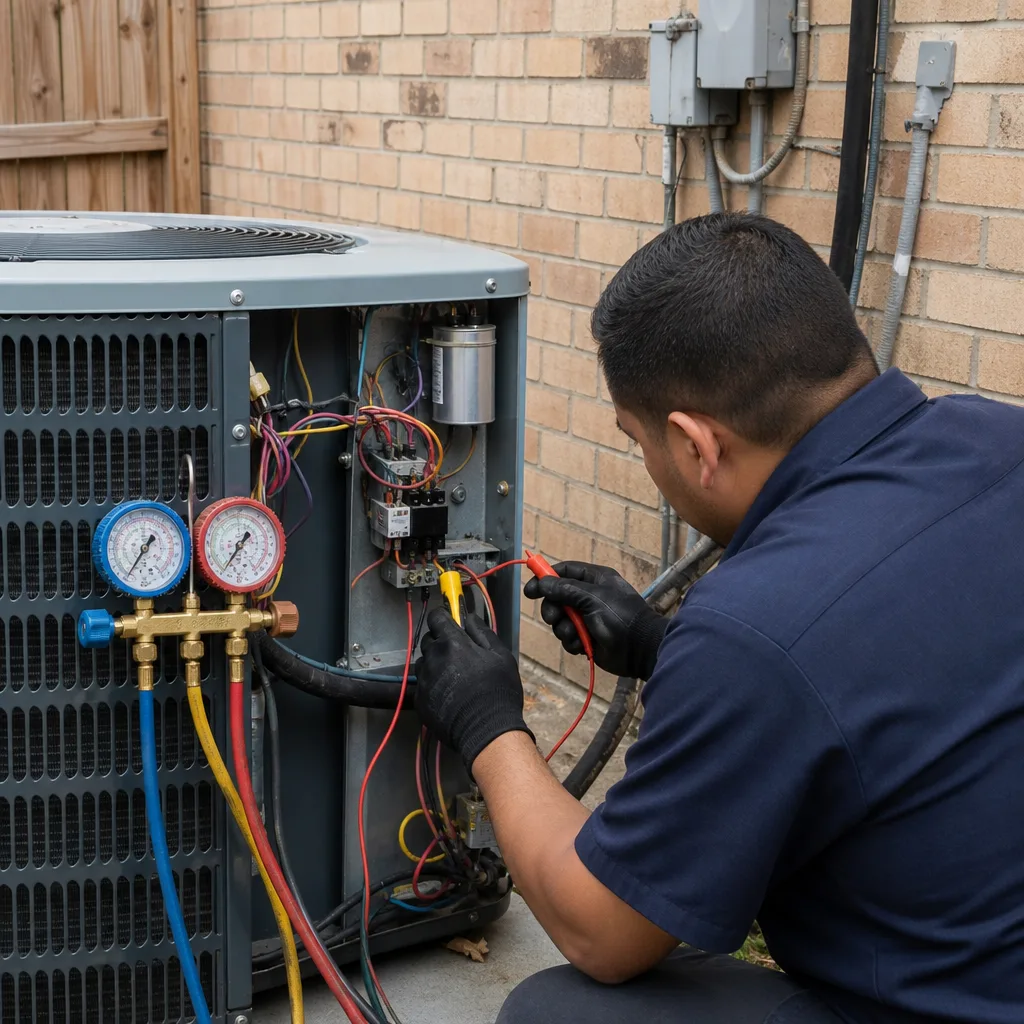
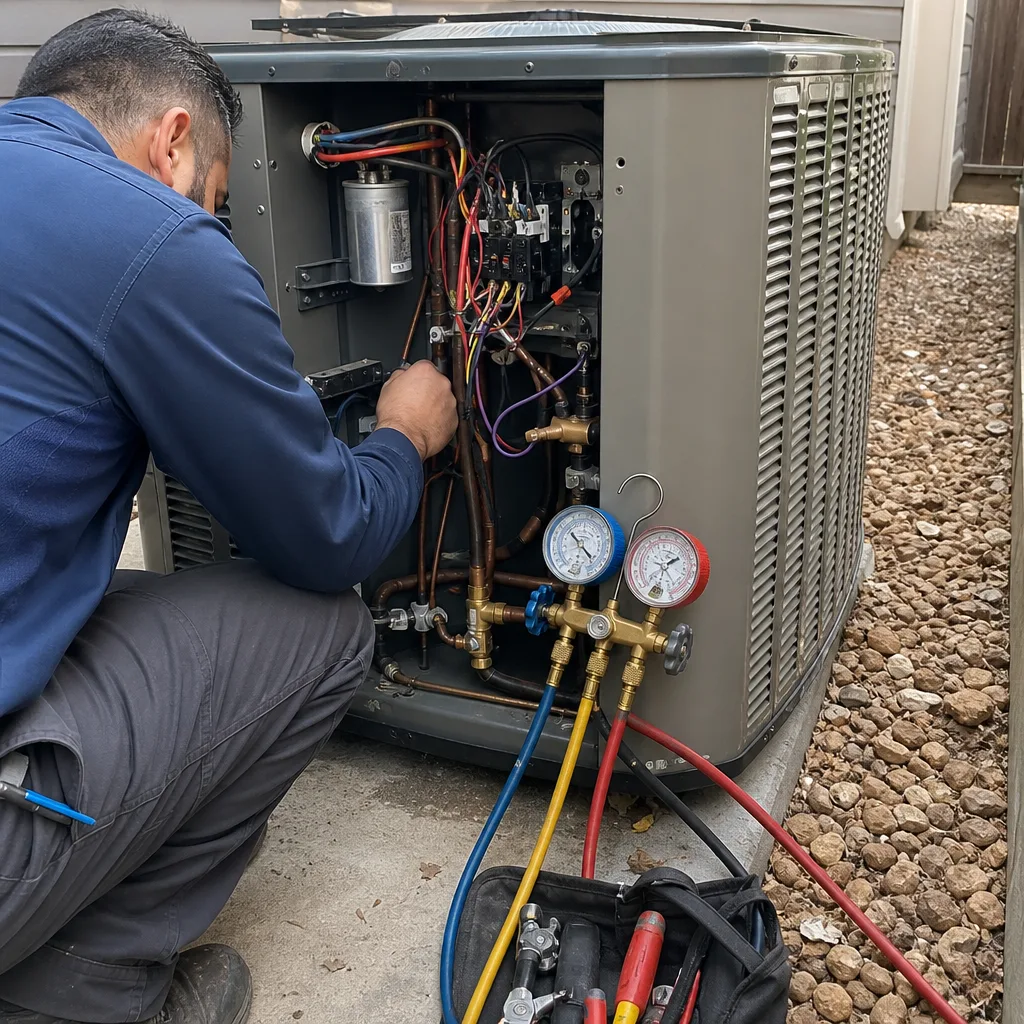
See the difference
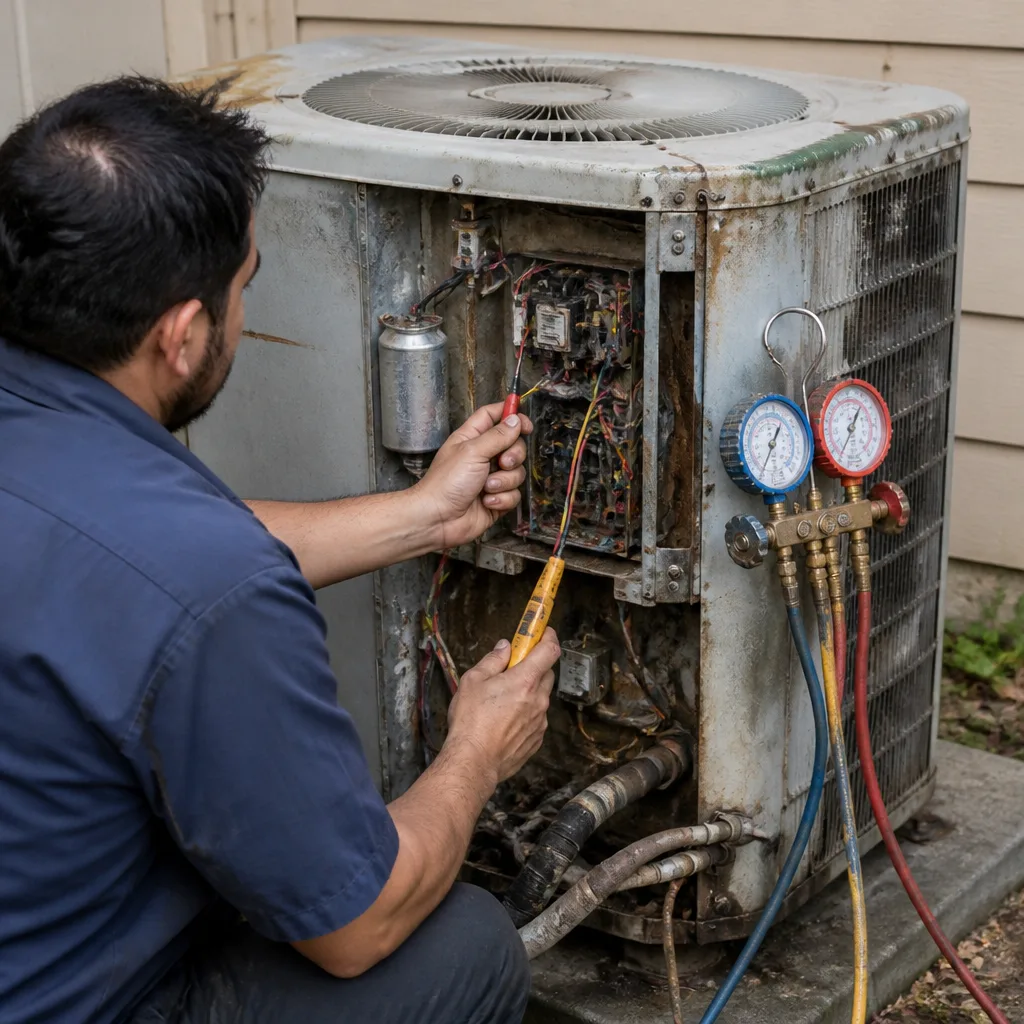 Before
 After
After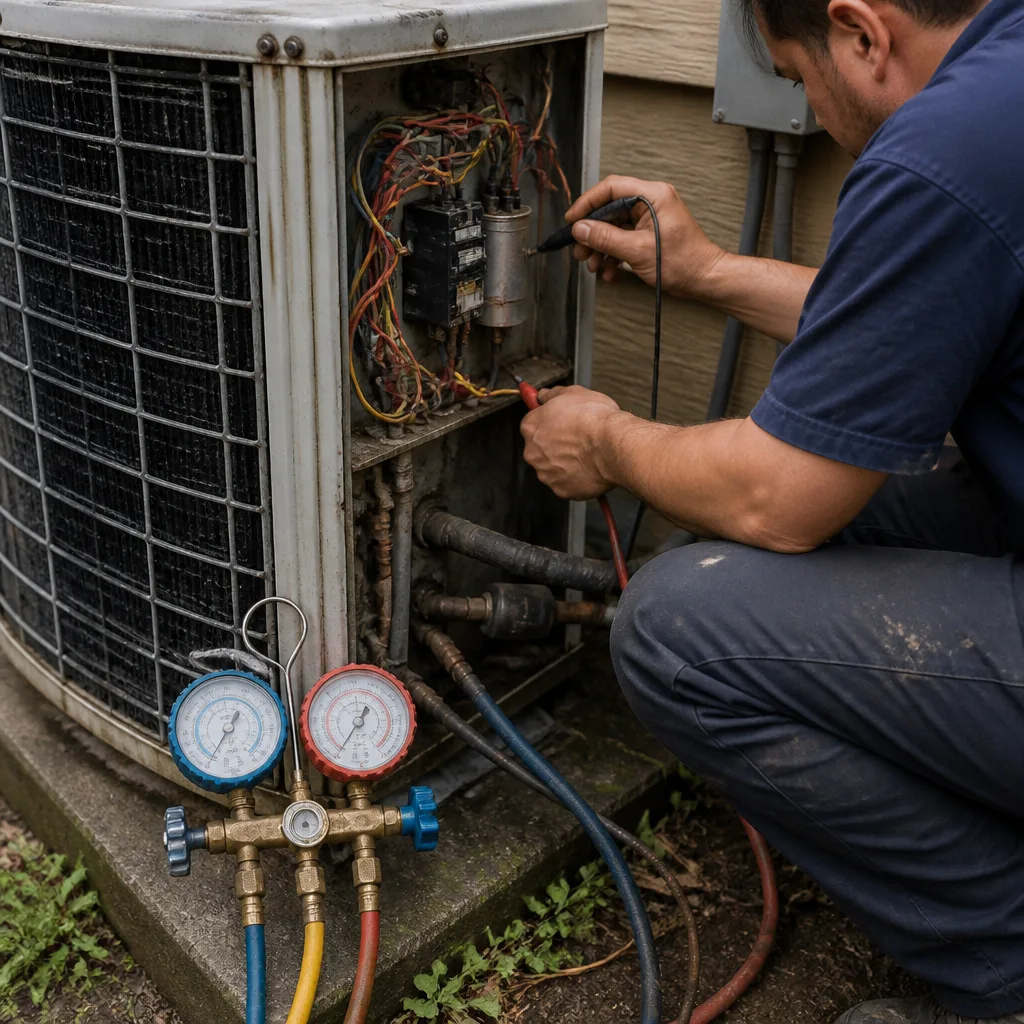 Before
 After
After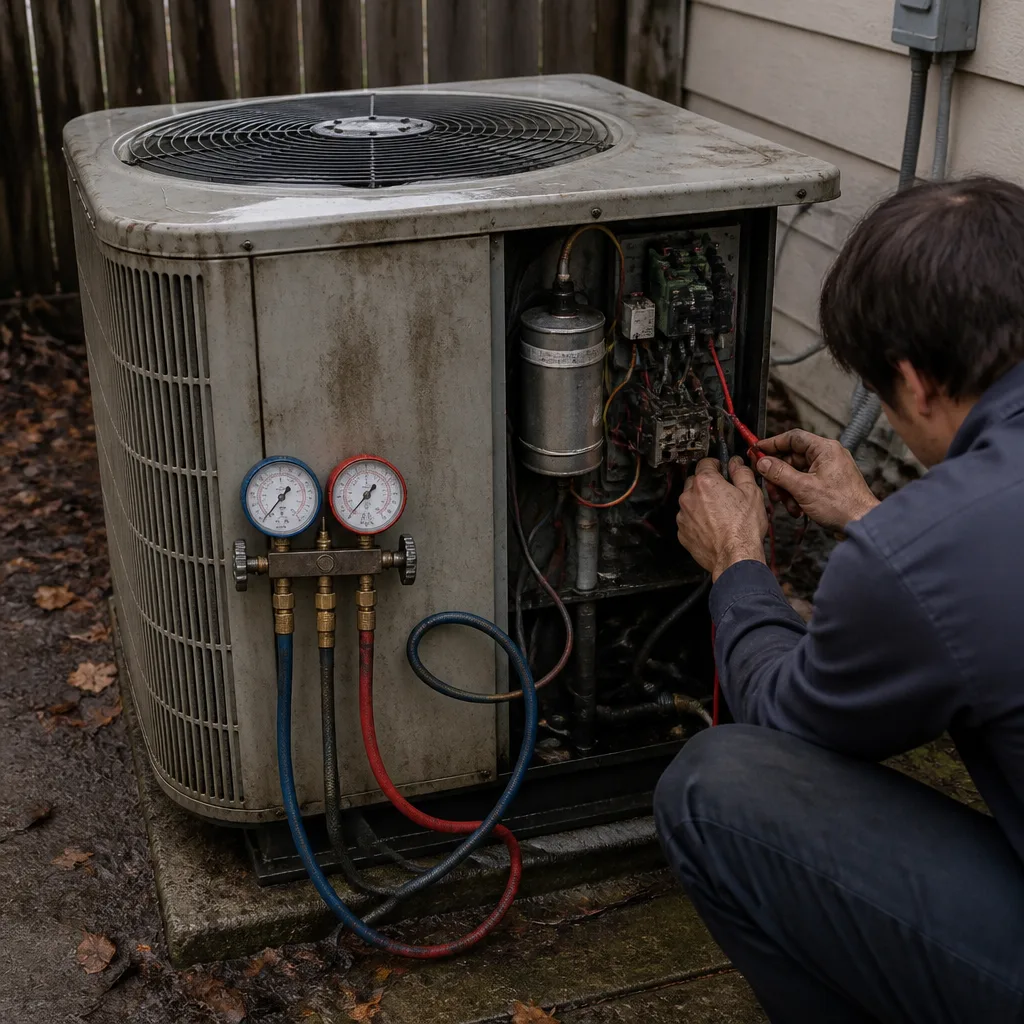 Before
 After
AfterWhen to Call a Professional
Some HVAC issues are clear DIY territory, like a clogged filter or a tripped breaker that stays reset. Others require a trained professional, and the line matters because Houston’s heat turns a minor delay into a health risk for young children, older adults, and pets. Call when your AC is blowing warm air on a hot day, when you hear a grinding sound from the outdoor unit, when the system trips a breaker repeatedly, when you smell burning or musty air from the vents, when ice forms on the copper refrigerant lines, or when your furnace smells like rotten eggs in winter. A grinding condenser fan motor will not heal itself. A cracked heat exchanger on a furnace is a carbon monoxide risk, not a wait-and-see item. If the repair involves high-voltage wiring or refrigerant, it is not a weekend project. Meadowsweet Heating and Air Houston offers free estimates in Houston and the surrounding area. Call (346) 201-5395 and a live person will answer, day or night.
Frequently Asked Questions
In Houston, a full furnace and air conditioner replacement typically runs between $6,800 and $13,500, with most homes we quote landing between $8,000 and $11,000 depending on efficiency level, brand, and home size. The single biggest price driver beyond size is whether you choose a single-stage, two-stage, or variable-speed system. Call (346) 201-5395 for a written price on your specific home, and we will include the load calculation in the quote.
Almost always, the cause is an oversized system or leaking ductwork, both of which are extremely common in Houston. An oversized system short-cycles and never runs long enough to remove moisture, while leaking ducts pull humid attic air into the conditioned space. The fix starts with a true load calculation and a duct inspection, not with a bigger unit. Call (346) 201-5395 and a Meadowsweet technician will measure static pressure and duct leakage to find the true source.
In Houston, every 30 days during the April through September cooling season, and every 60 days the rest of the year. The humidity, pollen, and dust levels here clog filters faster than national averages assume. Homes with shedding pets should stay on 30-day changes year-round.
You can keep the filter clean, keep the outdoor unit free of leaves and debris, and pour a cup of white vinegar down the condensate drain line every month to slow algae growth. Everything else involving refrigerant, electrical components, or combustion parts should be left to a licensed professional for safety reasons, and to keep your manufacturer’s warranty intact. Call (346) 201-5395 and we will handle the rest.
This is usually a duct problem rather than an equipment problem. Hot attic air, leaking supply ducts, or a return path that cannot pull warm air back from the upstairs rooms all cause this. In Houston homes with clay-slab movement, duct connections may have shifted over time. A static pressure test and duct inspection will find the loss point, and the fix is often far cheaper than replacing a still-working system.
Yes. The City of Houston requires a mechanical permit for system replacements and for any ductwork or electrical work done during the install. The installing contractor is responsible for pulling the permit and scheduling the inspection. Insist that your contract states this clearly before you sign.
The Bottom Line
Houston’s climate demands more from an HVAC system than almost any other major American city, and the consequences of getting it wrong show up as a humid house, a $500 August electricity bill, or a warranty denied because the equipment was never registered. The fixes are not mysterious. Right-size the equipment with a real Manual J calculation. Choose two-stage or variable-speed cooling for the humidity season. Inspect the ductwork for slab-related leaks. Register the warranty. Service the system in March and October. And when you call a contractor, demand a written price and a crew that protects your floors as carefully as your equipment. That is the standard we hold at Meadowsweet Heating and Air Houston home, and it has been our standard in Houston since 2004.
Written by Luis Serrano, Owner at Meadowsweet Heating and Air Houston, serving Houston since 2004.