
Last updated October 16, 2026
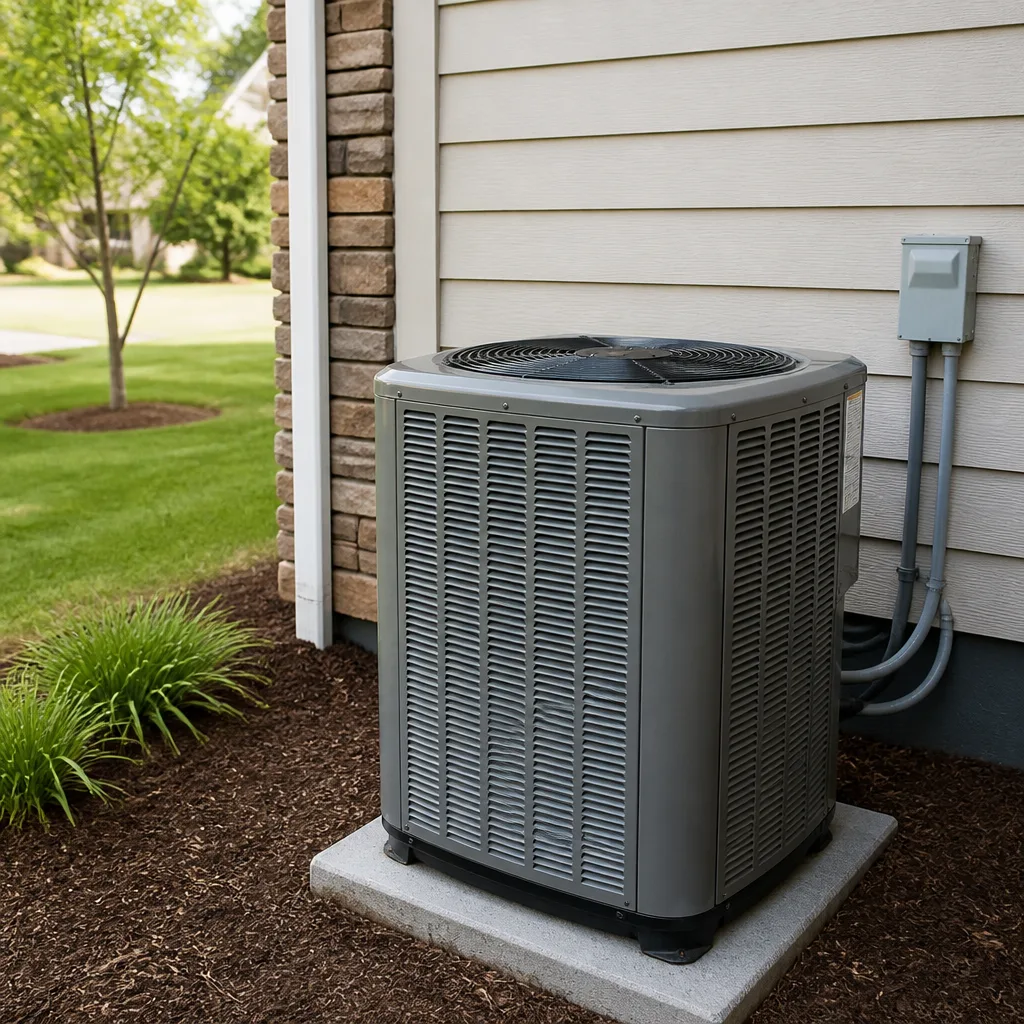 AC repair
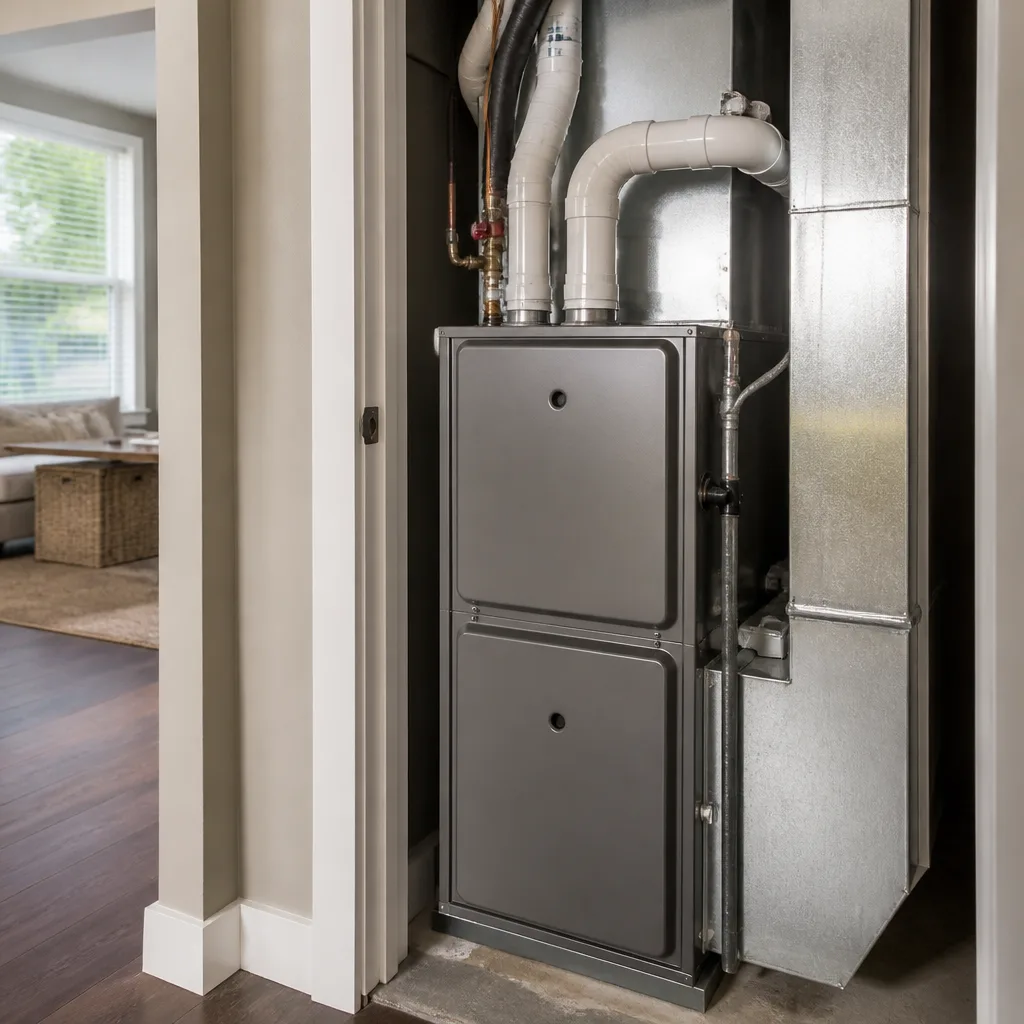 Furnace & heating
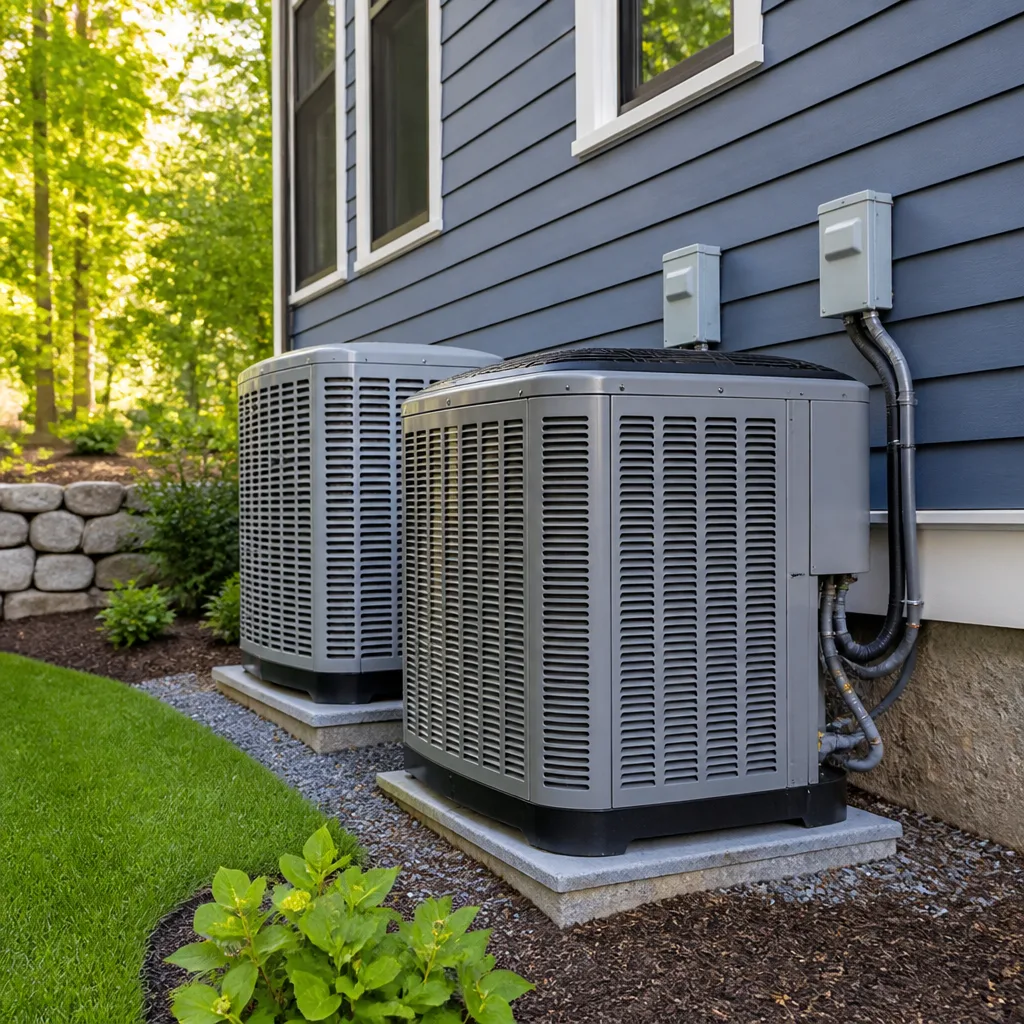 Heat pumps
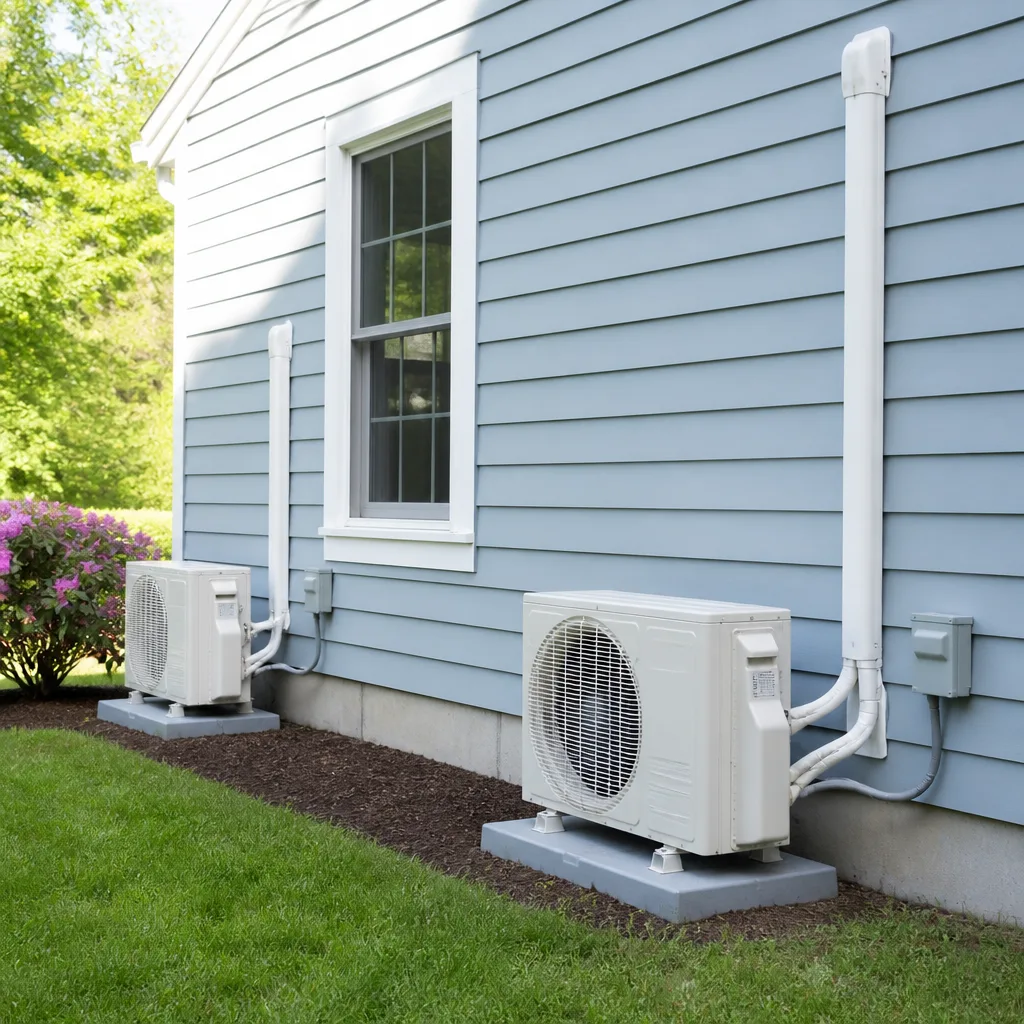 Ductless mini splits
 Carrier
 Trane
Trane Goodman
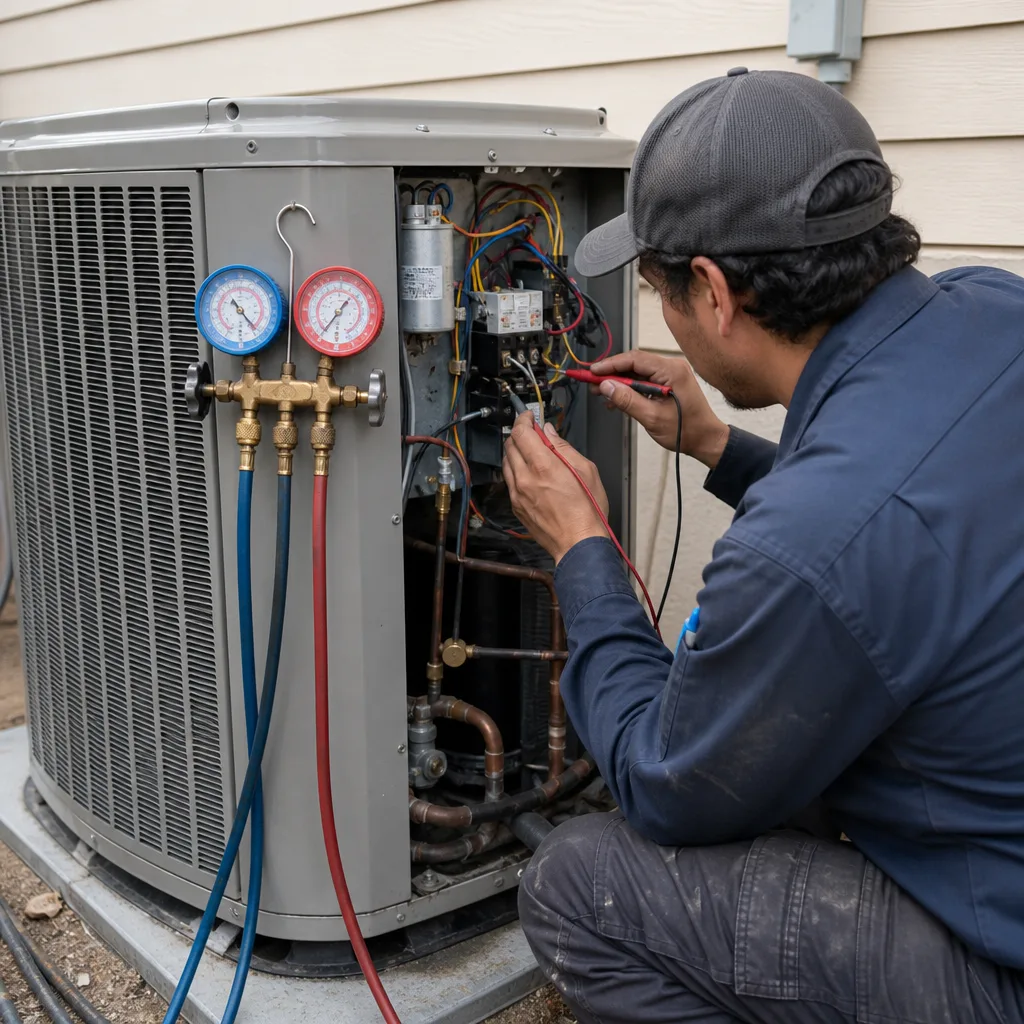
Seasonal tune-up and full diagnostic on your Carrier, Trane, or Goodman system - readings shown to you before any repair is proposed
Diagnosis first, numbers second - you approve the repair price before a single part goes in.
Get your free estimateHVAC Warning Signs: A Houston Homeowner’s Reference Guide
Most Houston homeowners don’t catch an HVAC problem early because they’re looking for the wrong thing. They wait for warm air, a dead compressor, or water pooling on the floor. By then, the repair is already expensive. This guide to HVAC in Houston is different. It covers the quiet signals a system sends weeks or months before a breakdown: the way it sounds when it’s fighting 95°F ambient air, the humidity levels a running AC should control but often doesn’t, and the electric bill that climbs faster than the temperature outside. You’ll learn what to watch, what to listen for, what to check visually in five minutes, and when to call someone.
Styles & brands we work with
Quick Answer
The earliest HVAC warning signs in Houston are rising indoor humidity above 55% while the AC runs, short cycling (the system turning on and off every few minutes), new sounds like hissing, thumping, or hard starting, and an electric bill that rises much faster than the outdoor temperature. Catching these signals early typically prevents a $800 – $2,000 summer repair, because the underlying problem hasn’t yet damaged the compressor or coil. If you notice any of them, call (346) 201-5395 for a free estimate before the next heat wave.
Table of Contents
- A Warning Sign vs. a Failure Sign: Why the Difference Matters
- Houston Humidity: What Indoor Humidity Above 55% Is Telling You
- Houston Sound Guide: What Short Cycling, Hard Starting, and Refrigerant Hiss Actually Sound Like
- The Electric Bill Warning Sign: When the Bill Rises Faster Than the Temperature
- Five-Minute Visual Checks Any Houston Homeowner Can Do Safely
- What Ignoring Early Warning Signs Costs in Houston
- How a Good HVAC Crew Protects Your Home Beyond the Repair
- Common Mistakes to Avoid
- When to Call a Professional
- Frequently Asked Questions
- The Bottom Line
A Warning Sign vs. a Failure Sign: Why the Difference Matters
Here’s the distinction most seasonal HVAC care guides for Houston miss. A failure sign means the system has already broken: no air comes out, the outdoor unit won’t start, or the thermostat reads 85°F inside at 3 p.m. A warning sign means the system is struggling but still running. It’s cooling, barely, while wearing itself out faster than it should. The difference matters because in the Houston market, catching a warning sign early typically saves between $800 and $2,000 on a summer repair call. A compressor that’s been short cycling for six weeks often fails completely on the hottest day of the year, when every HVAC company in the city is booked solid for days.
Think of it this way. A car that makes a clicking sound when you turn the key is giving you a warning sign. A car that won’t start is a failure. One costs a few hundred dollars to address. The other costs a tow and a new starter. Your AC works the same way.
We’ve seen this play out across Houston neighborhoods, from Meyerland to Kingwood. A homeowner in Westbury hears a faint thump when the system kicks on. They ignore it. Three weeks later, the compressor is gone, and the repair quote is $2,100 instead of $425 for a hard-start kit or capacitor replacement. The warning sign was there. The information just wasn’t.
The warning signs covered in this guide are the ones that show up first. They’re specific to Houston because our climate puts a different kind of stress on equipment than anywhere else in the country. High ambient heat, extreme humidity, and long runtimes during the summer change how systems fail.
If you want a deeper understanding of how repairs work when a system does cross the line from warning to failure, read our guide to AC Repair in Houston.
Houston Humidity: What Indoor Humidity Above 55% Is Telling You
In Houston, humidity is not a comfort issue. It’s a diagnostic tool. A properly running AC system in a reasonably sealed home should keep indoor relative humidity between 40% and 50% during the summer. When the AC is running and the indoor humidity sits above 55%, something is wrong. The system is no longer doing two jobs at once correctly: cooling the air and removing moisture.
This is one of the earliest warning signs a Houston homeowner gets, and it’s the one most people write off as “Houston being Houston.” Yes, Houston is humid. But your indoor air is supposed to be drier than outdoor air. That’s part of what an AC does. When it stops doing that, the system is telling you something specific.
What high indoor humidity usually means
- A coil that’s not getting cold enough. Refrigerant charge may be low, airflow may be restricted, or the coil may be dirty. All of these reduce the coil’s ability to condense moisture out of the air.
- An oversized system that satisfies the thermostat too quickly. This is a common problem in Houston homes where an AC was installed based on square footage alone, without a proper load calculation. The system blasts cold air, hits the set temperature in ten minutes, and shuts off before it has time to pull moisture out of the air.
- A drain pan or drain line that’s not draining properly. Standing water in the pan adds moisture back into the air stream and encourages microbial growth. The air feels clammy and smells faintly musty.
- Duct leakage in the attic. Houston attics regularly reach 140°F in July. If return ducts pull hot, humid attic air into the system, the AC has to work harder and longer to remove moisture.
The humidity reading matters because it’s often the first signal. It shows up before the system makes a strange sound, before airflow drops noticeably, and before the electric bill spikes. A $15 hygrometer from any hardware store will tell you what your indoor humidity is. Keep it near the return air vent. If it reads 55% or higher while the AC is running on a hot afternoon, that’s a warning sign worth investigating.
What you can do
- Check the hygrometer reading when the AC has been running continuously for at least an hour. A short reading right after the system kicks on won’t be accurate.
- Check the return air filter. A clogged filter reduces airflow across the coil, which reduces moisture removal. This is the single most common cause of high indoor humidity we see in Houston homes, and it costs $15 to fix.
- Look at the outdoor unit’s condensate drain line. In humid weather, you should see a steady drip of water while the system runs. If there’s no water dripping, the system isn’t removing moisture.
- If the filter is clean, the drain is working, and humidity stays above 55%, call for a professional check. The problem is likely refrigerant charge, coil condition, or duct leakage.
One thing worth naming clearly: high indoor humidity isn’t just uncomfortable. It creates conditions where mold and mildew grow more easily, and it makes the house feel several degrees warmer than the thermostat reads. That’s why so many Houston homeowners set the thermostat to 72°F and still feel warm. The air temperature is right. The moisture content isn’t.
Houston Sound Guide: What Short Cycling, Hard Starting, and Refrigerant Hiss Actually Sound Like
Air conditioners make sounds. That’s normal. What’s not normal is when the sound changes. A new sound, or a familiar sound that gets louder, is one of the most reliable early warning signs you’ll get in a Houston home. Here’s how to identify the three most common sounds that signal trouble before a breakdown.
Short cycling: the stop-start rhythm
Short cycling sounds like the system can’t make up its mind. The outdoor unit kicks on, runs for five to eight minutes, shuts off for two or three minutes, then kicks on again. You’ll hear the compressor click on and off from inside the house if the outdoor unit is near a window or an exterior wall. On a properly sized and functioning system, the AC should run for fifteen to twenty minutes at a stretch during a hot Houston afternoon. Frequent, short bursts of operation mean the system is shutting down before it finishes a full cooling cycle.
The causes in Houston break down like this. An oversized system is common, especially in houses where a previous owner installed the biggest unit a contractor would sell. A failing capacitor can also cause short cycling, as the compressor struggles to stay running. A refrigerant charge that’s too high or too low can trip safety switches. And a thermostat placed in a bad location, like a hallway with poor airflow or direct afternoon sun, can send false readings that shut the system down early.
Short cycling matters because every start puts the most stress on the compressor. A system that starts twenty times an hour wears out its compressor far faster than one that starts three times. It also uses more electricity, because the first few minutes of each cycle are the least efficient.
Hard starting: the thump on startup
Hard starting sounds like a heavy thump, a buzz, or a brief straining sound when the outdoor unit first kicks on. On a healthy system, the compressor starts smoothly. On a system with a failing capacitor or a compressor that’s getting old, the start is labored. You might hear it as a “huh-huh-hummm” sound that takes a beat too long to stabilize.
In Houston, hard starting gets worse in the late afternoon, when the outdoor unit has been sitting in direct sun all day and the ambient temperature peaks. The oil inside the compressor is thicker. The electrical load is higher. The capacitor, which gives the compressor the extra jolt it needs to start, is often the first component to fail, and it fails faster in heat.
A hard-start symptom caught early is often a $200 – $350 repair. Left alone, the compressor windings overheat each time the unit struggles to start, and eventually the compressor fails. That’s a $2,000 – $3,500 repair, and often a conversation about whether to replace the whole system.
Refrigerant hiss: the steady gas sound
A refrigerant hiss sounds like air escaping from a tire, but continuous instead of fading. You’ll hear it near the indoor coil or along the copper refrigerant lines running from the outdoor unit to the air handler. A faint hiss right at the metering device can be normal. A loud hiss, or a hiss accompanied by gurgling or bubbling, is not.
That sound means refrigerant is moving through the system in a way it shouldn’t. The usual cause is a leak. The hiss is the sound of refrigerant escaping or of air and moisture being pulled into the system through a hole. In Houston, we see this most often on systems older than a decade, where the copper lines have been exposed to years of humidity and thermal expansion. Corrosion forms at the joints and welds, and small leaks develop.
A refrigerant leak never gets better on its own. It gets worse. The system loses cooling capacity gradually, so the air stays cool for weeks while the system runs longer and longer to keep up. The hiss, paired with a slow rise in indoor humidity, is a classic pair of warning signs that show up together.
If you hear a hiss, gurgle, or any sound that wasn’t there last month, don’t ignore it. A trained technician can pinpoint the leak, repair the joint, and recharge the system. Refrigerant is pressurized and regulated, so this is not a DIY repair. In fact, it’s not even a “peek at the unit” situation. Call someone who works with these systems every day.
The Electric Bill Warning Sign: When the Bill Rises Faster Than the Temperature
This is the warning sign that requires no listening, no touching, and no special tools. It shows up in your monthly bill. And it’s often the earliest one.
Here’s the logic. Your AC’s electricity use should track outdoor temperature. A hotter month costs more than a cooler month. That’s expected. But if your bill jumps 30% or 40% from one summer month to the next, and the average temperature only rose a few degrees, the system is working less efficiently than it used to. That’s a warning sign.
In Houston, this pattern is especially meaningful because our cooling season runs from May through October. You have six months of data every year. Compare this June to last June. Compare this August to last August. If the bill is up sharply and the weather is similar, something inside the system has changed.
What causes an unexplained bill spike
- A dirty outdoor coil. Houston air carries dust, pollen, grass clippings, and construction debris. When the condenser coil gets coated, it can’t release heat as efficiently. The compressor runs hotter and longer to do the same job. This can add 10% to 20% to cooling costs.
- A failing capacitor or contactor. These electrical components degrade slowly. As they wear, the system draws more current to start and run. The effect shows up on the bill before it shows up as a failed part.
- Low refrigerant charge from a slow leak. As charge drops, cooling capacity drops. The system runs longer cycles to hit the same set point. Longer cycles mean more kWh, and more dollars.
- A thermostat that’s losing accuracy. If the thermostat reads a degree or two high, it runs the system more than necessary. If it reads low, it shortens cycles. Either way, efficiency suffers.
- Duct leaks in the attic. Houston attics are brutal on ductwork. The temperature differential between the attic air and the conditioned air inside the ducts accelerates material breakdown. When ducts leak, you’re paying to cool the attic, not the living room.
A rising bill without a matching rise in temperature is a quieter signal than a hiss or a thump. That’s exactly why it’s valuable. It often appears first, because a system can lose significant efficiency while still producing air that feels acceptably cold. The compressor hasn’t failed. The capacitor still works, barely. The bill is the canary.
If you track your bill from month to month and notice a spike you can’t explain, start with the simple fixes: change the filter, check the outdoor unit for visible dirt or debris, and make sure no furniture is blocking return air vents. If the bill stays high, call Meadow-sweet Heating and Air Houston for a diagnostic visit, and check our AC repair maintenance checklist for Houston homeowners. A written price is provided before any work starts, so you’ll know what you’re looking at before anything happens.
Five-Minute Visual Checks Any Houston Homeowner Can Do Safely
There’s a set of visual checks that take about five minutes, require no tools, and involve no contact with electrical components. These are safe to do with the system running or off, and they’ll catch several of the warning signs covered in this guide. We’ve broken them into three places to look: the outdoor unit, the air handler or furnace closet, and the drain pan.
Outdoor unit check (2 minutes)
- Look for visible dirt, leaves, grass clippings, or debris on the coil fins. Houston lawns produce a lot of clippings in the spring and summer, and it’s common for them to accumulate on the side of the unit facing the yard. A layer of debris blocks airflow across the coil. If you can see dirt packed into the fins, the system is working harder than it should.
- Look for oil spots or dark staining near the base of the unit or on the copper lines. Oil residue often means a refrigerant leak, because compressor oil escapes along with the refrigerant. This is a warning sign that should trigger a professional visit.
- Check that the unit is level. Houston’s clay soil shifts with moisture changes, and outdoor pads settle over time. A unit that’s noticeably tilted puts strain on the compressor and can cause oil to pool in the wrong places.
- Clear at least two feet of space around the unit. Bushes, storage bins, or anything else within two feet restricts airflow. The system needs to breathe. If a bush has grown up against the side of the unit since last year, trim it back.
Air handler or furnace closet check (2 minutes)
- Look at the filter. If it’s visibly gray or clogged, replace it. In Houston, where systems run for months at a time, a one-inch filter often needs replacing every one to three months. Homes with pets or ongoing construction may need more frequent changes.
- Look at the condensate drain line. You should see water in or near the line during humid weather. If the line is dry when the system has been running for hours, the coil may not be dehumidifying properly.
- Look for rust, water stains, or mineral deposits around the base of the air handler. These are signs of past or ongoing leaks. A small rust stain today can turn into a pan overflow that damages the ceiling below.
Drain pan check (1 minute)
- Look for standing water in the emergency drain pan under the air handler. In a properly functioning system, this pan is dry. Water in the emergency pan means the primary drain is clogged or the pan itself is cracked.
- Look for a musty smell. Standing water in a dark, warm space creates exactly the conditions where mildew grows. If the closet smells like a damp towel, there’s a moisture problem.
These checks don’t require touching wires, opening electrical panels, or handling refrigerant lines. If any of them reveals something unusual, call (346) 201-5395. A technician can confirm the issue and give you a written price before any work begins.
What Ignoring Early Warning Signs Costs in Houston
Let’s talk about the numbers, because they’re the clearest way to understand why early detection matters. These are price ranges we’ve seen for common repairs in the Houston market, and they reflect what families in neighborhoods from The Heights to Sugar Land actually pay.
- Capacitor replacement: $150 – $350. A capacitor caught early is one of the most affordable AC repairs. Let it fail, and the compressor can overheat on the next start cycle.
- Hard-start issue caught early: $200 – $400 for a hard-start kit and electrical check. The compressor survives. Catch it late, and the compressor doesn’t.
- Compressor replacement: $2,000 – $3,500. This is the classic outcome of ignoring short cycling or hard starting for a season. On a system older than twelve years, a compressor replacement often leads to a conversation about full replacement instead.
- Refrigerant leak at a joint, caught early: $300 – $600 for the leak repair and recharge, depending on the refrigerant type. Refrigerant costs have risen significantly, and some older refrigerants are no longer manufactured.
- Refrigerant leak that runs for months: additional coil damage, higher electric bills for an entire season, and in some cases compressor damage from running with insufficient oil return.
- Drain pan overflow caught before it overflows: $150 – $300 for a drain line flush and pan treatment. After it overflows, you’re looking at ceiling damage, drywall repair, and possible mold remediation, which can run $1,000 – $3,000 depending on the extent.
- Dirty coil cleanup: $100 – $200 during a maintenance visit. Ignored, a heavily fouled coil raises cooling costs by 10% – 20% for months and shortens the life of the compressor.
The pattern is consistent. A warning-sign repair is a few hundred dollars. A failure-sign repair is a few thousand. The gap between the two is the cost of waiting. In Houston, where summer days above 95°F are routine, a system that fails in July or August is also a health issue. Homes with infants, elderly family members, or anyone with respiratory conditions depend on working cooling. It’s not just about comfort. It’s about keeping indoor temperatures safe when the outdoor heat index crosses 105°F.
If your system is at the point where repairs no longer make financial sense, our guide to AC Installation in Houston covers how to think through replacement, including what a properly sized system looks like.
How a Good HVAC Crew Protects Your Home Beyond the Repair
Here’s something most HVAC warning sign guides don’t cover: what happens inside your house while the repair is being done. For families with kids and pets, this matters as much as the repair itself. A technician who fixes the AC but leaves a trail of attic insulation dust through the hallway, or tracks grass clippings across the living room floor, has created a new problem.
This is where the Cedarwell Care Promise, which governs every visit from Meadowsweet Heating and Air Houston home, sets a different standard. The C.A.R.E. values are written into how our technicians work, not just listed on a website. Clean up like it’s their own home. Ask before moving anything. Respect the family’s time and quiet hours. Explain the price before the work.
In practice, that means a few specific things. Shoe covers go on before a technician steps inside. Drop cloths protect the floors in the path from the entryway to the air handler. If a child is napping upstairs or a family is on a video call, the work happens quietly. And before the crew leaves, a photo of the clean-up is sent to the homeowner, so there’s no wondering whether the floors were protected. This is included on every job. It’s not an upsell.
For pet owners, this matters in another way. A curious dog in the house can get into the area where a technician is working, which creates danger for the dog and delays the repair. A good crew will close off the work area, keep small parts and screws contained, and check that no debris is left where a dog or a toddler could get to it. If you have a dog that’s nervous around strangers, tell the dispatcher when you call. The technician will plan around it.
When we service equipment from brands like Rheem, Carrier, Trane, Daikin, Bryant, Lennox, Goodman, York, or American Standard, the same standards apply no matter what unit is in the house. The equipment doesn’t change how the home is treated.
The point is that the repair is only half the job. The other half is leaving the house the way the family expects it to be when a professional has been inside.
Common Mistakes to Avoid
- Changing the filter only once a year. In Houston’s six-month cooling season, a one-inch filter often needs changing every one to three months. A filter that’s been in place since May is doing almost nothing by August. The restriction makes the system work harder, raises humidity, and shortens compressor life.
- Setting the thermostat lower to compensate for humidity. If the house feels clammy at 75°F, turning the thermostat to 70°F doesn’t fix the humidity issue. It just makes the system run longer and costs more on the bill. The fix is finding out why the system isn’t dehumidifying.
- Ignoring a bill spike because “it’s summer.” Summer bills are higher than spring bills. But a bill that spikes compared to the same month last year, without a matching spike in temperature, is a signal. Month-over-month and year-over-year comparisons are how you spot it.
- Letting bushes and plants grow against the outdoor unit. Houston landscapes grow fast. A hedge that was two feet from the unit in March can be touching it by June. The clearance matters for airflow and for access during service calls.
- Waiting to call until the system stops working entirely. When a Houston AC fails on a 98°F day, the repair call is more expensive, the wait is longer, and the house is unsafe for hours. A warning sign seen in May is a much cheaper problem than a failure in August.
- Assuming a hissing sound is “just the AC.” Air conditioners make airflow sounds. A continuous, loud hiss or gurgle is not normal airflow. It’s refrigerant, and ignoring it makes the eventual repair more expensive than addressing it now.
When to Call a Professional
Call a professional when you notice any of the warning signs in this guide, and especially when you notice more than one at the same time. High humidity paired with a hiss. Short cycling paired with a rising bill. A hard start paired with a musty smell from the closet. These combinations tell you the system is failing in multiple ways at once.
Also call if you see oil spots near the outdoor unit, water in the emergency drain pan, or rust stains on the air handler, even if the system seems to be cooling fine. These are the signs that show up before the noise. Meadowsweet Heating and Air Houston offers free estimates in Houston, with more guides & resources available on our blog. Call (346) 201-5395 and a live person answers, 24 hours a day, 7 days a week. That includes nights, weekends, and holidays. No voicemail queue.
Frequently Asked Questions
The most common early warning sign in Houston is indoor relative humidity above 55% while the AC is running. In our climate, a system that can’t pull moisture out of the air is either short on refrigerant, short on airflow, or oversized for the house. All three are fixable early and expensive later.
Most warning-sign repairs in Houston range from $150 to $600, including capacitor replacement, hard-start issues, drain line clogs, and minor refrigerant leak repairs at accessible joints. Repairs that follow a full failure, like a compressor replacement, run $2,000 to $3,500. The cost difference is the strongest argument for addressing warning signs early. Call (346) 201-5395 for an exact quote, because the price depends on the system and the scope of work.
A system that runs but can’t reach its set point is usually low on refrigerant, has a dirty outdoor coil, or is fighting duct leaks in the attic. In Houston’s summer heat, any of these problems reduces cooling capacity enough that the system plateaus at 78°F or 80°F even while running continuously. A professional diagnosis will identify which one applies.
Repair is usually the better choice when the system is under 10 years old, the repair is under $1,000, and the system has had no other major problems. Replacement makes more sense when the compressor has failed on a system older than 12 years, when the system uses an obsolete refrigerant, or when the repair cost is more than half the value of a new system. A detailed comparison of both paths is covered in our guide to AC Installation in Houston.
Yes. The safe checks are visual and auditory. Look at the outdoor unit for dirt and debris, check the filter, examine the emergency drain pan for standing water, and listen for new sounds like hissing, thumping, or frequent cycling. Do not open electrical panels, touch refrigerant lines, or attempt any repair involving wiring or pressurized components. Those require a trained professional.
Turn the system off and call a professional. Strange furnace sounds, like banging, rumbling, or a high-pitched squeal, can indicate a cracked heat exchanger, a failing blower motor, or a burner problem. A cracked heat exchanger can release carbon monoxide into the home, which is a serious health risk. Our Furnace Repair in Houston guide covers the details, and our technicians respond to furnace issues year-round.
The Bottom Line
Houston HVAC systems send quiet signals long before they fail, and the homeowners who catch them save real money. Watch for humidity above 55% indoors, listen for short cycling or a new hiss, and compare this year’s summer bills to last year’s. Check the filter, the outdoor unit, and the drain pan once a month during cooling season. When something looks or sounds off, act on it. A few hundred dollars now beats a few thousand in August. And when you call someone, make sure the visit includes the things that matter beyond the repair: written pricing before any work, floors protected, and the home left the way a professional should leave it.
Written by Luis Serrano, Owner at Meadowsweet Heating and Air Houston, serving Houston since 2004.
See the difference
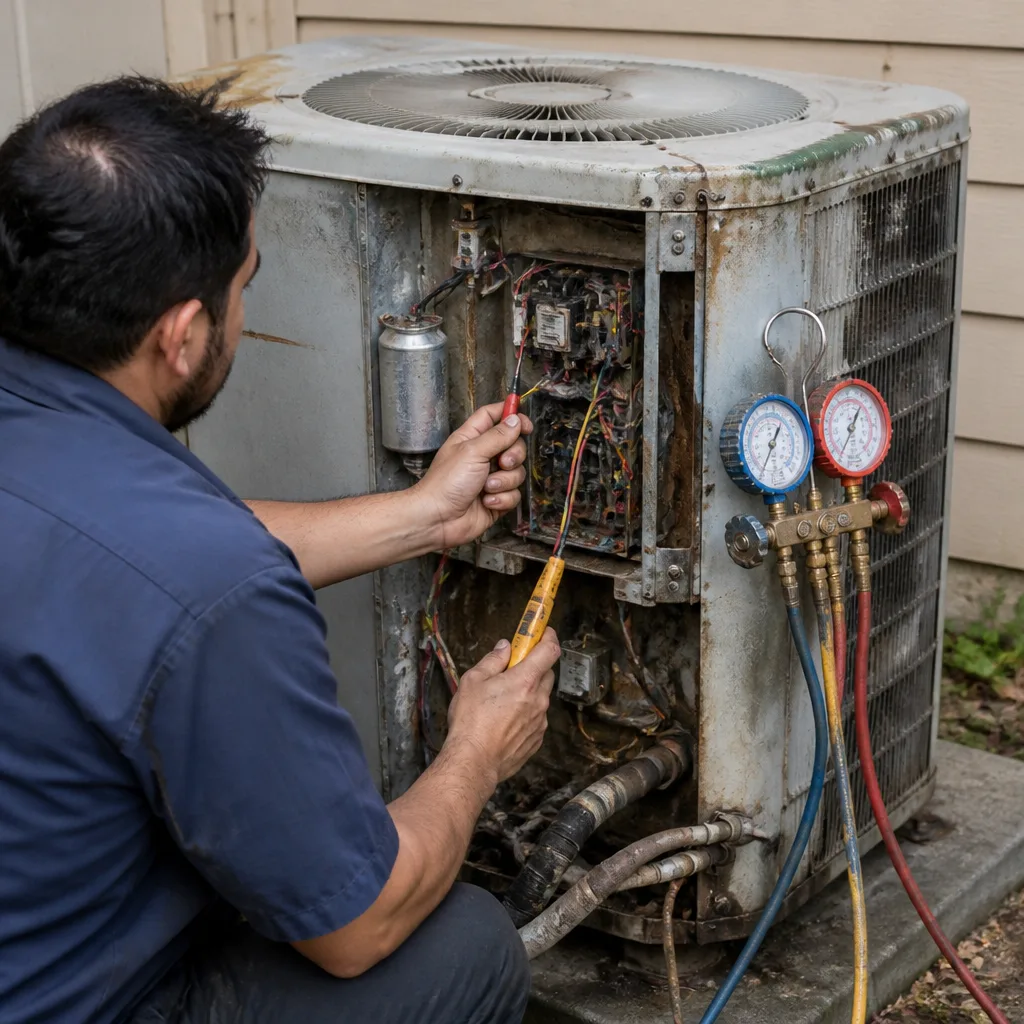 Before
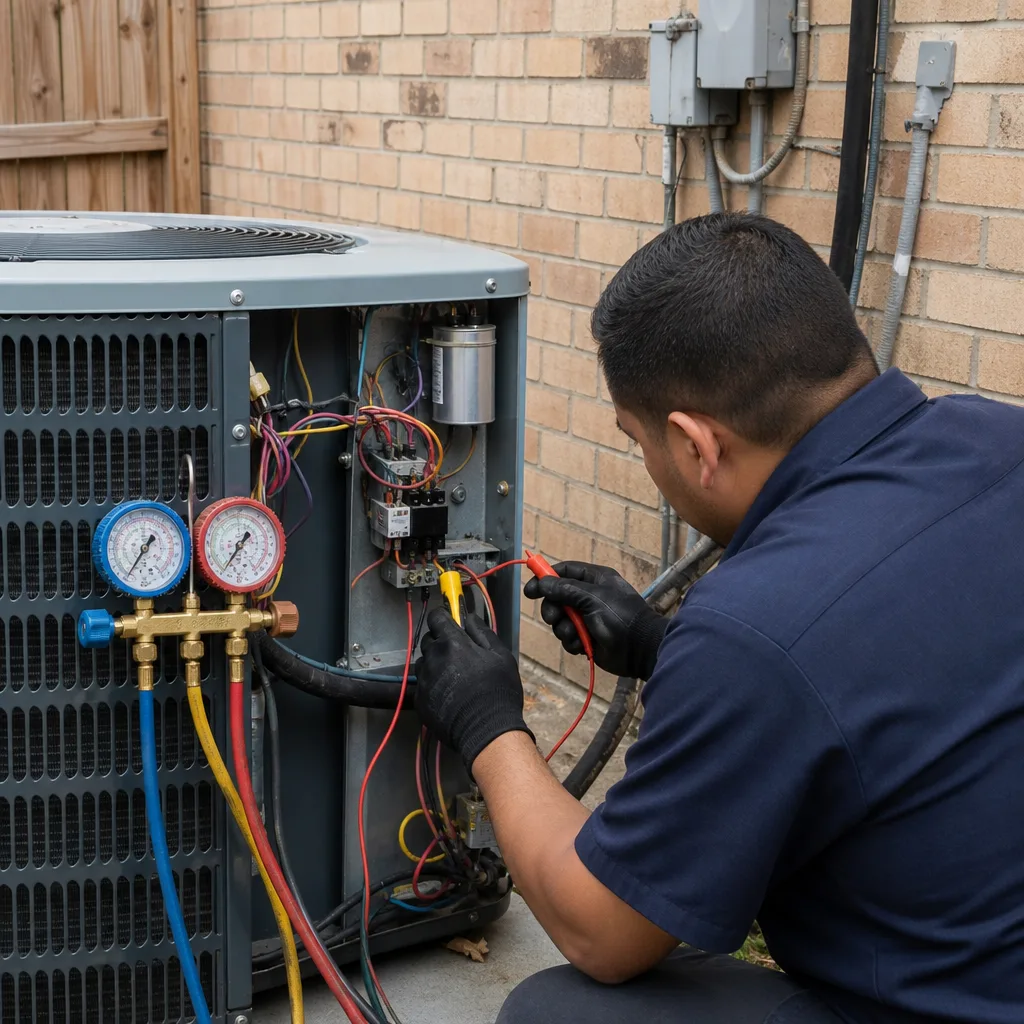 After
After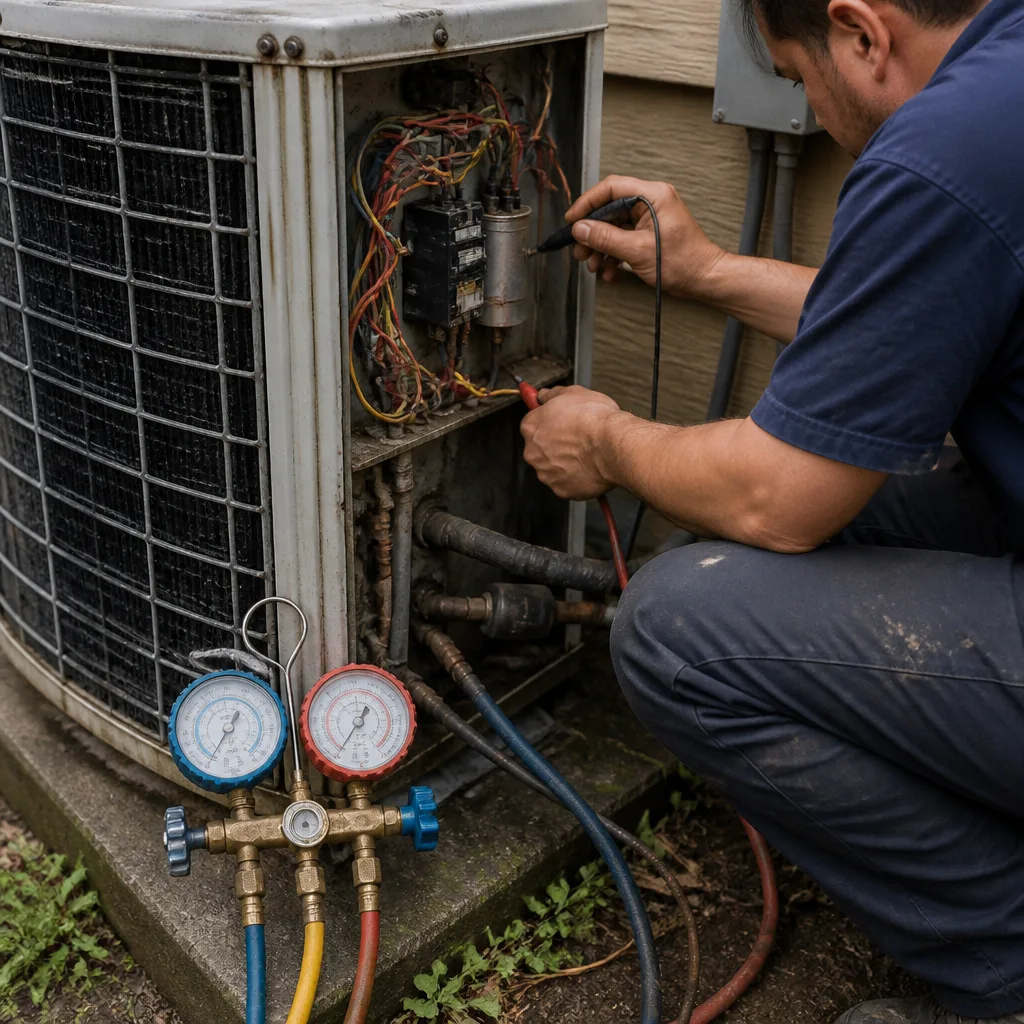 Before
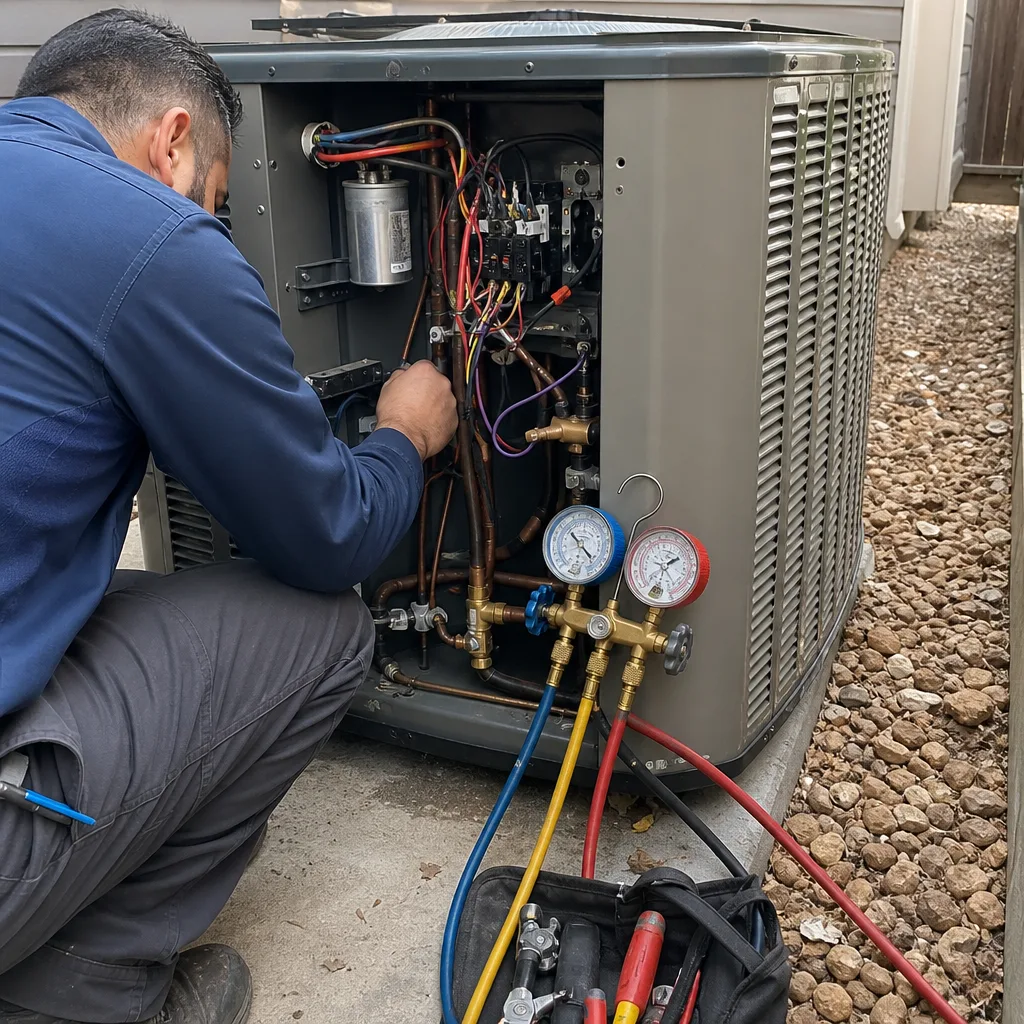 After
After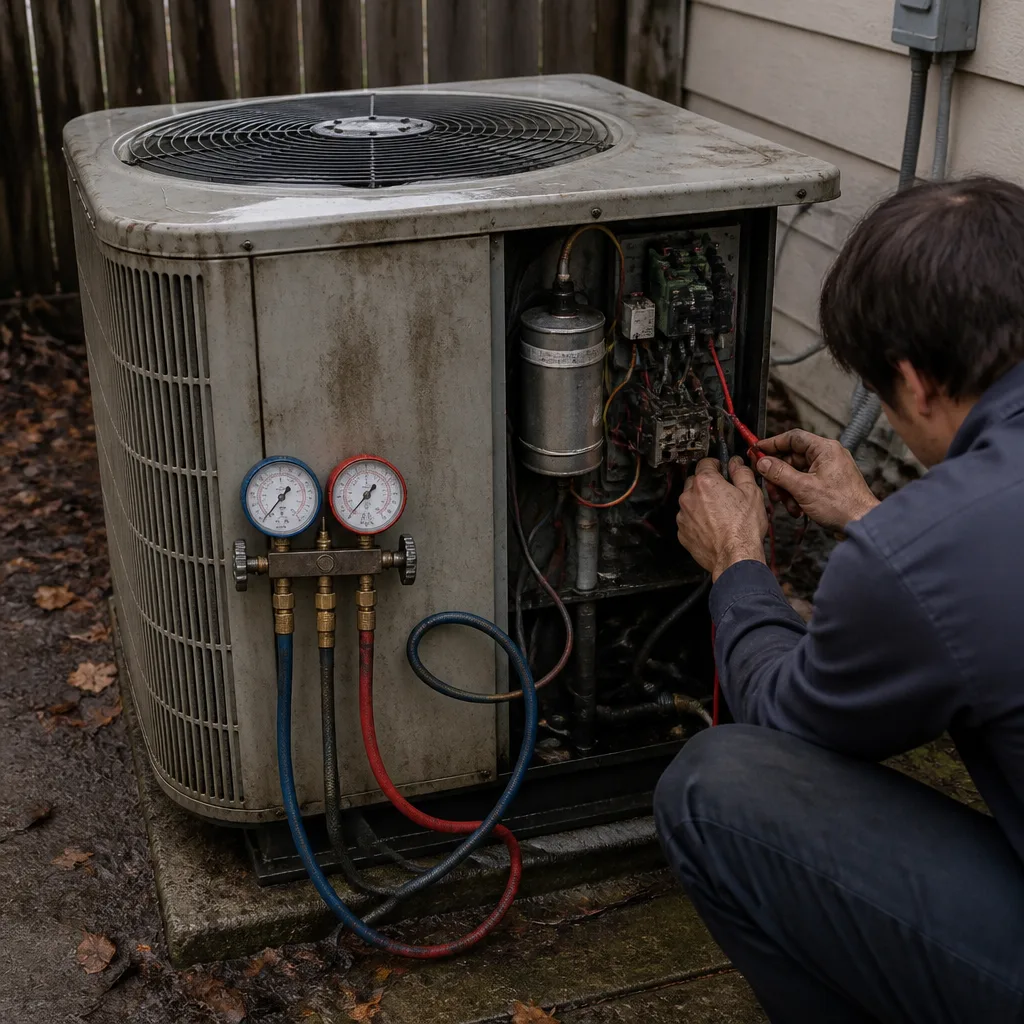 Before
 After
After